


More news on this day
A Metrorail train derailed just outside College Park station in Maryland late Saturday morning, July 4, leaving one rider hospitalized and disrupting service as Washington’s transit network worked to manage Fourth of July crowds.
Get the latest news straight to your inbox!
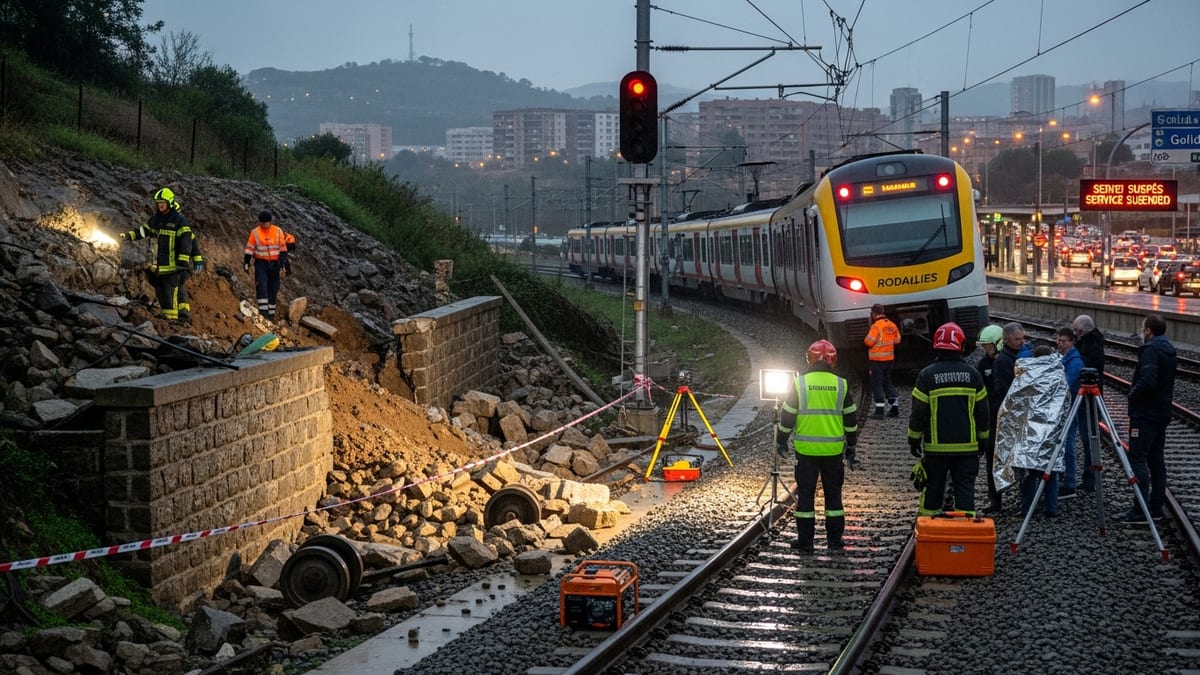
Derailment outside College Park on a busy holiday
According to publicly available reports from local outlets and transit alerts, the derailment occurred shortly before noon in the area of the 4900 block of Calvert Road, just north of College Park station on the Green Line. A single car of a southbound train left the tracks as it approached the station, coming to a stop a short distance down the line.
Initial information indicates that 11 passengers were on board the affected car. All were able to exit with the assistance of emergency responders and Metro personnel. Most were evaluated at the scene and released, while one adult man was transported to a hospital for further evaluation. Coverage from multiple local newsrooms characterizes the rider’s condition as non-life-threatening.
Visuals from the scene shared by regional broadcasters show fire and rescue crews staging along the right-of-way and on nearby streets as passengers were guided away from the tracks. The incident unfolded as the Washington region braced for large Independence Day crowds, with transit providers promoting rail as the easiest way to reach events in downtown Washington.
Early focus on potential heat-related track issue
Metro is in the early stages of examining what led to the derailment. Publicly available information from the agency’s spokespeople, cited in local coverage, describes a “potential heat-related track issue” near the derailment site. The Washington area has experienced a stretch of high summer temperatures, and rail systems frequently implement additional inspections and slow orders when extreme heat can cause steel rails to expand and track components to shift.
Reports indicate that investigators are paying particular attention to a section of track where a small fire was extinguished shortly after the incident, a location some accounts describe as the likely point where the car left the rails. From there, the train reportedly continued several hundred feet before coming to a stop, with passengers remaining upright inside the car.
Transit safety specialists note that heat can exacerbate underlying infrastructure vulnerabilities, such as worn fasteners, deteriorating ties, or alignment issues. While it may take days or weeks for formal findings to be published, the early focus on temperature and track condition aligns with past derailment investigations across North American rail systems during prolonged hot weather.
Green and Yellow Line riders face disruptions
The derailment quickly translated into delays and detours for riders on the Green and Yellow Lines, which share track in the College Park area. Service alerts circulated on social media and transit-tracking apps shortly after midday, indicating that trains were turning back at nearby stations while crews responded to the incident and secured the derailed car.
Holiday travelers heading toward the University of Maryland, downtown Washington, and transfer hubs such as Fort Totten and L’Enfant Plaza encountered longer waits and crowding on platforms. Some riders were directed to shuttle buses or advised to use alternate stations, a particular challenge on a day when many visitors rely on rail to reach fireworks and events on the National Mall.
Published coverage notes that Metro had been positioning itself as “all hands on deck” for the July 4 period, with additional staff, free fares during evening hours, and special trains scheduled to accommodate large crowds. The derailment forced a rapid reconfiguration of that plan, underscoring how a single infrastructure failure can ripple through an already strained holiday timetable.
Safety record and recent scrutiny of Metrorail operations
The incident near College Park arrives as Metrorail’s safety practices remain under close watch from federal and regional oversight bodies. In recent years, the Washington Metrorail Safety Commission and the National Transportation Safety Board have pressed the system on track inspections, operator training, and vehicle maintenance, citing past derailments and equipment issues elsewhere on the network.
Previous investigations into derailments on other lines have often highlighted conditions such as worn rail fasteners, misaligned track, or missed inspection intervals. While each case is unique, safety reports consistently emphasize the need for robust monitoring of track geometry and rail condition, especially in areas that see both heavy traffic and wide temperature swings.
Metro has promoted a multiyear capital plan focused on rebuilding track segments, modernizing signals, and overhauling older railcars. The July 4 derailment is likely to draw renewed attention to how those investments are prioritized, particularly on corridors serving major regional destinations and universities where ridership is recovering after the pandemic.
Next steps for investigation, repairs, and travelers
In the short term, attention is centered on safely re-railing or removing the affected car, inspecting adjacent track segments, and restoring full service through College Park. Based on patterns from previous incidents, the line in the immediate area may operate with speed restrictions or single-tracking even after trains resume, as engineers continue inspections and monitoring.
For travelers, the derailment serves as a reminder to check real-time service alerts before heading out, particularly during high-demand holidays. With large numbers of visitors relying on transit to reach fireworks and concerts, even short disruptions can cascade into longer journeys and crowded platforms.
Longer term, the July 4 event is expected to feed into ongoing discussions about how rail systems in the Mid-Atlantic adapt to hotter summers and heavier storms. Transit planners and safety officials across the country are weighing strategies such as enhanced heat monitoring of rails, more frequent warm-weather inspections, and targeted infrastructure upgrades in known hotspots.
As the investigation progresses, publicly released findings will likely shape recommendations on both the specific track segment near College Park and Metro’s broader approach to managing extreme weather on its aging network. For riders, the fact that 11 people walked away from a derailment with only one reported hospitalization will be viewed as a relief, even as questions persist about preventing similar incidents in the future.