


More news on this day
Travelers heading to Mexico’s Pacific coast are being urged to review their plans after the UK Foreign, Commonwealth and Development Office updated its advice, warning of life-threatening conditions as Category 5 Hurricane Polo tracks close to popular resort areas.
Get the latest news straight to your inbox!
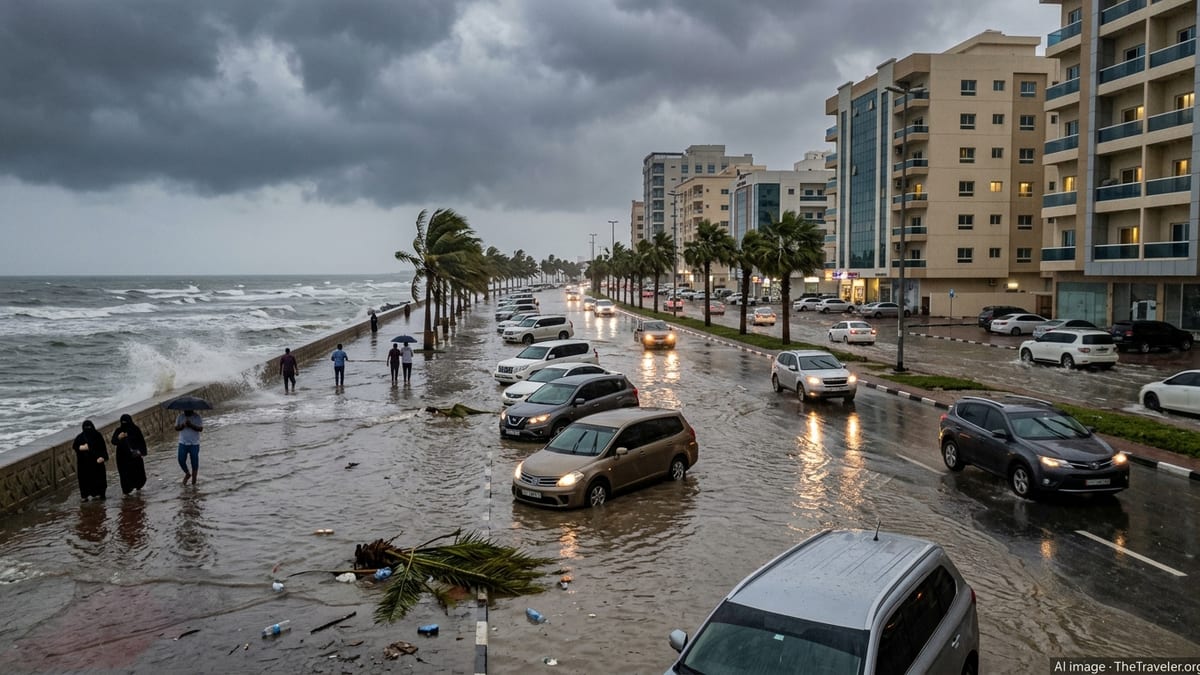
Foreign Office tightens Mexico advice as storm intensifies
Publicly available information from the UK government’s Mexico travel advice shows that guidance has been updated to reflect the impact of Hurricane Polo on the country’s southwestern Pacific coastline. The advice highlights the risk of extremely strong winds, heavy rainfall, flash flooding and landslides in areas near the storm’s projected path.
Reports from international media describe Polo as a Category 5 hurricane over the eastern Pacific, with sustained winds in excess of 157 miles per hour as it moves parallel to Mexico’s coast. Coverage indicates that meteorologists consider Polo to be among the most powerful storms ever recorded in the Pacific basin, raising concerns for both local communities and visitors in low-lying or coastal areas.
The Foreign Office advice links this severe weather threat to broader safety considerations already in place for parts of Mexico. While much of the country remains open to visitors, the updated wording urges travelers to monitor local weather alerts, stay in touch with tour operators and be prepared for rapid changes to transport and accommodation plans along the Pacific seaboard.
Media summaries of the guidance note that the UK government is drawing particular attention to the potential for disruption in states along the southwestern coast, where resorts and beach destinations are popular with British holidaymakers at this time of year.
Hurricane Polo’s projected path and likely impact zones
Bulletins from the United States National Hurricane Center and regional meteorological services, as reported in international coverage, show Hurricane Polo tracking offshore but broadly parallel to Mexico’s southwestern states. Forecast discussions indicate that the system is expected to maintain major hurricane intensity over warm Pacific waters while sending powerful bands of rain and wind toward land.
Published reports highlight that coastal areas of Guerrero, Oaxaca, Michoacán, Colima and Jalisco are most exposed to hazardous conditions, including dangerous surf, storm surge, coastal flooding and the risk of landslides in steep terrain. Even if the eye of the storm does not make landfall, large swells and intense rain bands can still affect resort towns, road networks and smaller coastal communities.
Weather alerts distributed by the U.S. Embassy in Mexico note that hazardous ocean conditions are likely to persist for several days as Polo moves northwestward. Travelers are being advised in public notices to avoid entering the sea where red or black warning flags are flying and to follow instructions issued by hotels, airlines and local civil protection agencies.
Historical analysis referenced in disaster risk briefings points out that Mexico’s Pacific coast has previously experienced destructive storms, such as Hurricane Patricia in 2015, which delivered catastrophic winds and rainfall despite a limited landfall footprint. Polo’s current intensity has prompted concern that a similar pattern of localised but severe damage and disruption to tourism infrastructure could occur.
Practical guidance for UK travelers in affected areas
The Foreign Office travel pages for Mexico advise anyone already in the country, particularly in coastal regions facing the Pacific, to stay informed through local media and official weather bulletins. Travelers are encouraged to keep mobile devices charged, store copies of key documents and ensure that airlines or tour operators have up-to-date contact details in case of schedule changes.
Accommodation providers in resort areas commonly activate hurricane preparedness plans when major systems approach, which may include moving guests to interior rooms, restricting balcony access, securing outdoor furniture and temporarily suspending beachfront activities. Public information suggests that visitors should cooperate with these measures and expect temporary curfews or closures of local businesses if conditions deteriorate.
The same UK guidance recommends checking that travel insurance covers disruptions caused by extreme weather, including delayed or cancelled flights and extended hotel stays. Travelers who have not yet departed are advised to speak with airlines, tour companies or booking platforms before setting off, as some services may offer fee waivers or alternative dates when formal weather warnings are in place.
British nationals are also directed, through general consular advice, to keep family or friends informed of their whereabouts and to be aware of any local emergency shelter locations identified by hotel staff or municipal authorities in the event of an evacuation order.
Flight operations, ports and inland travel disruption
Early reports from Mexican aviation and port authorities, as reflected in international news coverage, indicate that airports and seaports along the southwest coast are preparing for potential suspensions of operations if winds increase further. This may include temporary closure of smaller regional airports and the cancellation of domestic and international flights into affected states.
Airlines serving major hubs such as Mexico City, Guadalajara and coastal resort airports have begun to issue travel alerts and flexible rebooking options for passengers whose itineraries take them into the projected impact zone. Travelers with connections through Mexico are being advised to check flight status frequently and to allow extra time in case of longer queues or schedule changes.
On the ground, heavy rainfall associated with Hurricane Polo could lead to road closures, damaged bridges and landslides on mountain routes that link inland cities with the Pacific coast. Publicly available transport guidance suggests that travelers avoid long-distance road journeys in areas under severe weather warnings and consider postponing non-essential trips by bus or car until conditions improve.
Bus operators and domestic airlines within Mexico may also adjust timetables with limited notice to protect passengers and staff, creating knock-on disruption for travel plans that combine several modes of transport. Visitors relying on pre-booked transfers or excursions along the coast are being advised by tour companies, according to media reports, to remain flexible and to prioritise safety over itineraries.
Balancing hurricane risks with wider Mexico travel advice
While the latest Foreign Office update focuses on Hurricane Polo, the Mexico travel advice also continues to outline longer-term security considerations in specific regions. Public documents describe varying levels of guidance by state, including areas where all but essential travel is discouraged due to crime or civil unrest, independently of the current storm threat.
For many popular tourism destinations, including parts of the Yucatán Peninsula and Mexico City, existing advice remains focused on routine safety measures, though travelers are reminded that hurricane season can affect both the Gulf and Pacific coasts. The arrival of a Category 5 system such as Polo underlines the need to review not only security risks but also seasonal weather patterns when planning a trip.
Travel industry commentary suggests that visitors who are flexible on dates and destinations may opt to reroute to regions of Mexico that lie outside the storm’s projected path or to delay travel until after the worst conditions have passed. In all cases, checking the latest official travel advice shortly before departure is presented as an important step.
As Hurricane Polo continues to move offshore, forecasters will refine track and intensity projections over the coming days. Travelers, airlines and hotels along Mexico’s Pacific corridor are expected to adjust plans in line with updated bulletins, making timely information and clear communication central to safer journeys during one of the most powerful storms recorded in the region.