


More news on this day
Travelers at Miami International Airport faced a difficult start to the week as a wave of 108 delayed flights and 11 cancellations involving American Airlines, Envoy Air, United Airlines and other carriers rippled across networks serving the United States, Spain, France, Colombia, Peru and additional international destinations.
Get the latest news straight to your inbox!
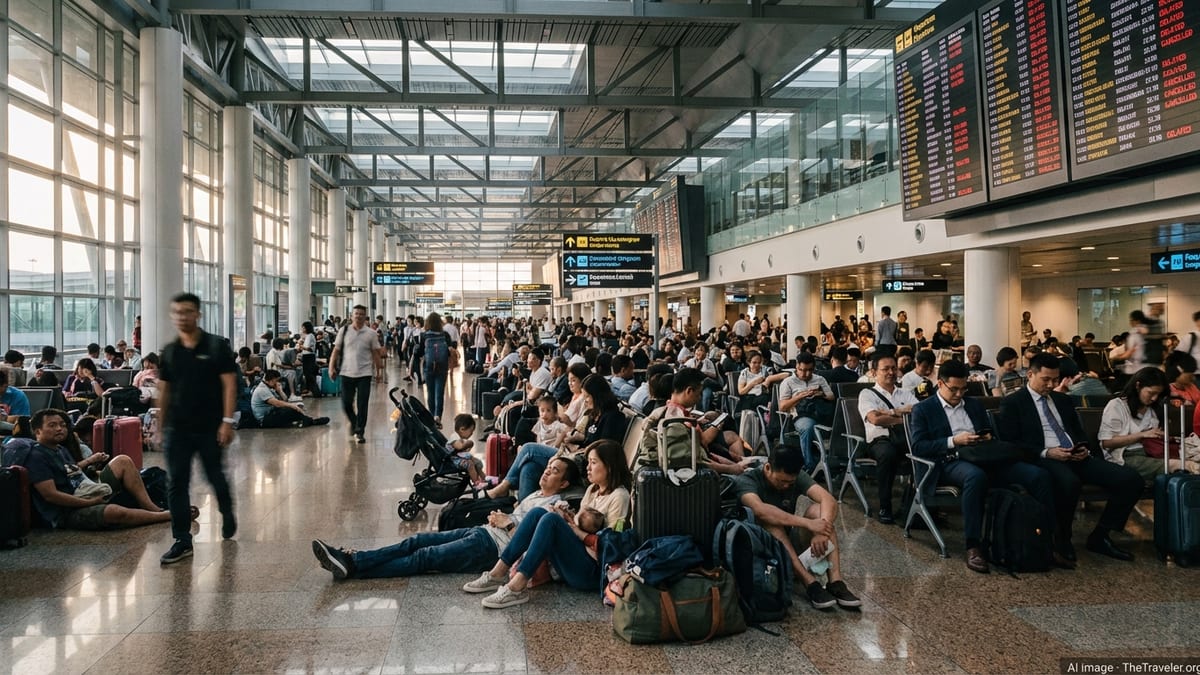
Operational Strain Turns Miami into a Bottleneck
Miami International Airport, a major gateway for North American, European and Latin American traffic, has again emerged as a focal point for flight disruption. Publicly available airport and tracking data indicate that a cluster of delays and cancellations concentrated around key banked departure and arrival waves, quickly overwhelming available slack in the system. With American Airlines and its regional partner Envoy Air operating a dense schedule of domestic and international connections, relatively small disruptions at Miami rapidly translated into missed links for travelers bound for cities in Spain, France, Colombia and Peru.
Operational analyses of recent performance at Miami show that the airport routinely handles hundreds of daily movements for American and other large carriers. When irregular operations strike, the hub structure means that one delayed inbound aircraft can stall several outbound legs, especially on longer sectors. Industry observers note that this pattern has been seen repeatedly during the busy 2026 summer period, where a combination of high load factors and constrained spare aircraft makes recovery slower and rebooking options more limited.
Reports from passenger advocacy platforms and historical performance datasets suggest that American and Envoy typically maintain on time percentages in the mid to high seventies from Miami in normal conditions, with United and other major airlines showing similar broad patterns. On days like this disruption, however, the balance shifts quickly as ground holds, gate changes and crew reassignment compound, leaving airlines juggling aircraft rotations and duty time limits.
For travelers caught in the middle, the distinction between a short delay and a more serious operational breakdown can come down to a missed connection by a matter of minutes. Once an onward flight to Europe or South America is lost, replacement options often involve overnight stays, significant rerouting, or long waits for the next available seat on already busy long haul services.
Weather, Congestion and Crew Rules Combine
While no single cause fully explains the 108 delays and 11 cancellations, publicly accessible aviation dashboards and scheduling tools point to a familiar mix of contributors. Patches of unstable summer weather across the southeastern United States have led to intermittent air traffic control restrictions in recent days, affecting flows into major hubs such as Miami. These constraints reduce arrival and departure rates, triggering rolling delays that push flights outside of planned time windows.
Once that happens, airlines must balance the competing demands of crew duty regulations, aircraft maintenance requirements and slot availability at downline airports in the United States and abroad. A flight that departs Miami late for a European or Latin American destination may arrive so far behind schedule that it cannot legally turn around the same aircraft and crew in time for the next scheduled leg. This forces last minute cancellations or the use of substitute aircraft, where available, and the disruption cascades through the network.
Industry reporting on similar events earlier this season has highlighted how even a limited number of cancellations can have a disproportionate effect because of tight summer scheduling. Carriers have added capacity to meet demand, but that often leaves less margin to absorb irregular operations. When several major airlines at the same hub encounter delays on the same day, airport resources such as gates, ramp staff and customer service counters also become stretched.
At Miami, which already manages complex international arrivals and departures, those pressures can be especially visible. Disrupted flights to Spain and France, for example, impact passengers with onward European connections, while delays on services to Colombia and Peru can interfere with domestic links there, spreading the effects well beyond the original Miami based problem.
Passengers Face Missed Connections Across Continents
The practical impact for travelers has been felt far beyond South Florida. Based on routing patterns from Miami, the affected flights appear to touch a wide range of domestic and international destinations, including major U.S. hubs and important gateways in Spain, France, Colombia and Peru. Passengers booked on multi segment itineraries often rely on tightly timed connections, especially when traveling between secondary cities that require two or three separate flights.
When an initial domestic leg into Miami is delayed, travelers headed onward to Europe or South America may arrive after their long haul departure has already closed. In some cases, airline rebooking tools can place passengers on later flights the same day, but during peak summer travel those seats are frequently limited. Others may be rerouted through alternate hubs in Dallas, Charlotte, New York or Houston, adding hours and additional stops to their journey.
For those whose flights were among the 11 cancellations, options can be even more constrained. Consumer advisory sites emphasize the importance of acting quickly to secure alternative flights when widespread disruption begins, as available inventory can disappear rapidly. Some travelers may accept partial solutions, such as reaching Madrid instead of Barcelona or Lima instead of another Peruvian city, then completing the final leg on a regional carrier at a later time.
Travelers connecting onward in Latin America face distinct challenges. Cancellations and long delays on Miami departures to Colombia or Peru may mean missing limited evening domestic links in those countries, resulting in overnight stays at intermediate airports. That can entail additional expenses for lodging and ground transport, as well as the need to adjust hotel and tour bookings at final destinations.
Broader Pattern of 2026 Disruptions
The latest difficulties at Miami fit into a broader pattern of volatile operations across North American and transatlantic networks in 2026. Recent public reports and consumer complaint data have described multiple days where large U.S. carriers, including American and United, have experienced elevated delay and cancellation levels at key hubs. These events often share similar characteristics, combining weather related air traffic constraints with tight scheduling and limited spare capacity.
Earlier this season, detailed coverage focused on another day of severe disruption at Miami that featured more than 200 delayed flights and double digit cancellations involving several of the same carriers. Although each event has its own operational specifics, analysts have pointed to underlying structural pressures that make recovery difficult once large hubs begin to back up. A reliance on complex banked schedules, high aircraft utilization and extensive regional feeder operations can all magnify the impact of initial problems.
Regulatory data released in recent months underline the scale of delays across the U.S. system in 2026, with multiple long tarmac events and extended gate holds recorded for several major airlines. Passenger discussions on public forums also reflect a perception of more frequent and longer rolling delays, where departure times are repeatedly pushed back in small increments rather than cancelled outright, leaving travelers uncertain about when or whether they will depart.
Against this backdrop, the situation in Miami stands out because of the airport’s dual role as both a domestic connection point and a primary bridge to Latin America and certain European markets. Disruptions therefore tend to have an outsized international footprint, as seen in the widespread effects on routes serving Spain, France, Colombia, Peru and other destinations in this latest episode.
What Travelers Can Do During Major Disruptions
Consumer advocates recommend several practical steps for passengers caught in large scale irregular operations such as those currently affecting Miami. One key suggestion is to monitor flight status through multiple independent sources, including airline apps and general flight tracking services, since airport departure boards can lag behind real time changes during busy periods. Keeping screenshots or written notes of posted delays and cancellation notices can also be helpful when pursuing compensation or refunds later.
Travelers are also encouraged to familiarize themselves with airline policies and government guidance on delays and cancellations before departure. Regulations and carrier commitments differ between domestic U.S. segments and international itineraries, particularly on routes to Europe or within Latin America. Understanding these distinctions in advance can help passengers make informed decisions about accepting rebooking offers, seeking meal or hotel vouchers, or requesting refunds where eligible.
Those with onward connections in cities across the United States, Spain, France, Colombia or Peru may wish to proactively contact hotels or tour providers as soon as it becomes clear that arrival times will be significantly affected. Many accommodation and activity operators have introduced more flexible change policies in recent years, but these often require prompt communication from guests. Early notice can reduce the risk of no show penalties and make it easier to adjust plans once new flight arrangements are confirmed.
While the immediate disruption at Miami highlights the vulnerabilities of heavily utilized hub and spoke networks during peak season, it also reinforces long standing advice for long haul travelers. Building in longer connection times at major hubs, traveling with essential items in carry on bags and maintaining updated contact details in airline booking profiles can all provide a measure of resilience when operations become unpredictable.