


More news on this day
Travelers flying through Miami this week are being urged to check their flight status frequently as disruptions continue in the wake of a deadly Amazon cargo jet crash that shut down runways and triggered a ground stop at Miami International Airport.
Get the latest news straight to your inbox!
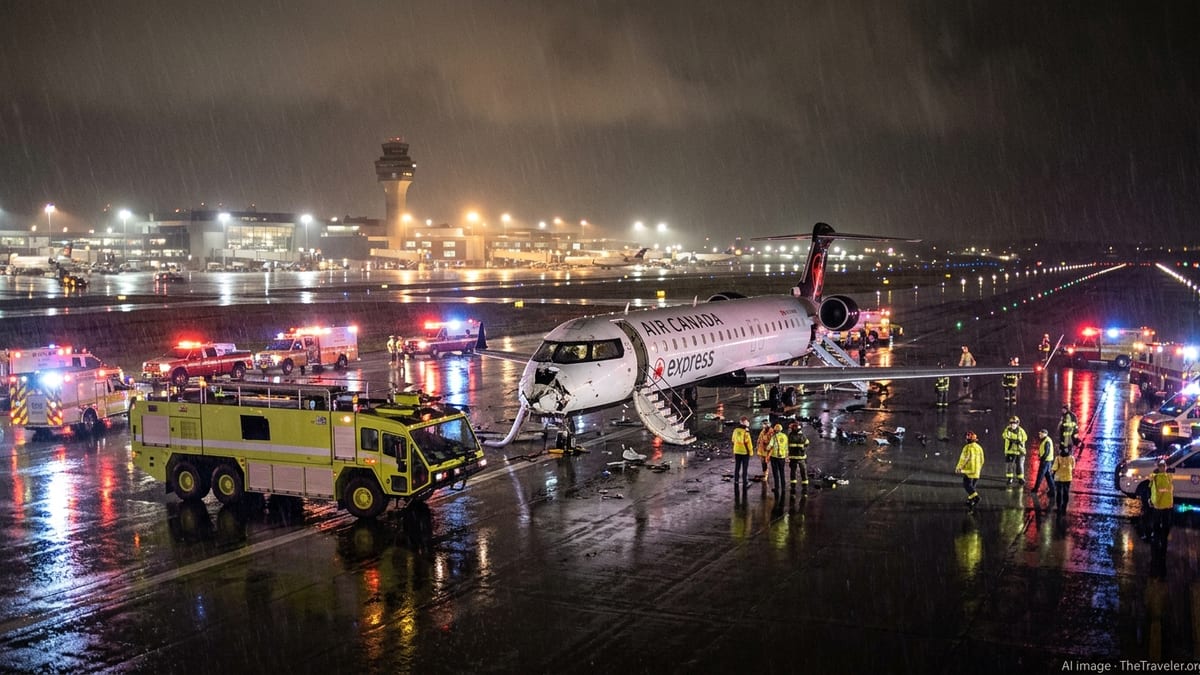
Ongoing fallout from a deadly runway overrun
Publicly available reports show that a Boeing 767-300F cargo aircraft operating as an Amazon Prime Air flight overran Runway 30 at Miami International Airport on Sunday, September 6, coming to rest beyond the airfield after striking vehicles and catching fire. Coverage from multiple outlets indicates that five people were killed and five injured in the accident, which also damaged infrastructure at the northwest edge of the airport.
The incident led to a full ground stop at Miami International that lasted for several hours on Sunday afternoon, halting all arrivals and departures while emergency crews responded and aviation authorities assessed the scene. The crash, which generated thick smoke visible across Miami, immediately disrupted the tightly timed schedule at one of the United States’ busiest international hubs.
By Monday, September 7, federal investigators had arrived on site to begin examining the wreckage and the runway environment, while local and airport teams worked to stabilize operations. Early analysis shared in specialist aviation coverage points to an overrun on landing, but the exact chain of events remains under investigation and is expected to take months to fully determine.
Miami International Airport, which handled more than 50 million passengers last year, is a critical gateway for domestic flights, Latin American connections, and Caribbean services. Any prolonged reduction in runway capacity can quickly ripple across airline networks and connecting itineraries, especially at the start of a busy travel week.
Runway closures squeeze capacity and slow recovery
Industry and local media reports indicate that two of Miami International’s four runways remained closed into Monday while teams cleared debris and evaluated pavement and lighting systems. With only part of the normal runway system available, the airport has less flexibility to sequence arrivals and departures, particularly during peak periods and in changing weather conditions.
According to data cited in local coverage, by Monday afternoon more than 350 flights at Miami International had been delayed and close to 90 canceled, reflecting the lingering impact of Sunday’s full stop and the reduced runway capacity. Flight-tracking platforms show that delays have affected both departures from Miami and inbound flights scheduled to turn around for onward legs.
Airlines have also rerouted some services through alternate Florida hubs, including Orlando and Tampa, to work around congestion and limited arrival slots in Miami. Diversions on the day of the crash left some passengers unexpectedly overnighting away from their final destination as aircraft and crew were repositioned.
While Miami International has considerable experience managing traffic during construction and maintenance projects, the sudden loss of a runway and the need to protect an active accident site create unusual constraints. With investigators working around the wreckage and a disabled aircraft still near the runway end, operators have fewer options to shorten safety buffers or shift flows to other parts of the airfield.
What passengers connecting through Miami should expect
For travelers connecting through Miami in the coming days, published airport and airline information suggests that delays and scattered cancellations may continue as carriers rebuild schedules and aircraft rotations. Even flights that are not directly affected by remaining runway closures can be disrupted by late-arriving aircraft, crew duty limits, or missed connections earlier in the day.
Airlines are advising passengers to monitor their flight status frequently through official apps and websites before departing for the airport. In some cases, same-day schedule changes, gate swaps, or equipment substitutions are being used to keep as many flights operating as possible, which can shift departure times by an hour or more at short notice.
Travelers with tight connections at Miami International may face particular challenges. With long taxi times and possible holding patterns on approach, some itineraries that appeared reasonable when booked can now be less reliable. Where possible, customer-facing guidance suggests looking for longer connection windows or rebooking to earlier feeder flights into Miami.
Passengers starting journeys from Miami are being encouraged in local reporting to arrive early, allow extra time for check-in and security, and be prepared for crowded gate areas as multiple delayed flights overlap. Those whose flights are canceled may find rebooking options limited on peak routes, since alternative services from Miami and neighboring airports are also filling quickly.
How to check delays, cancellations and diversions
Anyone traveling through Miami this week can use a combination of airline tools and independent data sources to stay ahead of changes. Airline mobile apps and websites remain the primary source for official delay and cancellation notices, seat assignments, and rebooking options. Many carriers are issuing travel waivers that allow customers to change dates or routes without standard fees in response to the disruption.
Flight-tracking services, which aggregate radar and schedule data, show systemwide patterns at Miami International, including the number of delayed or canceled flights each day and where diversions are being sent. On Monday, those services documented several hundred delays and scores of cancellations linked to the reduced runway capacity and post-accident congestion.
Miami International Airport’s own digital channels are highlighting general operational updates and advising passengers to check directly with airlines for specific flight status. Local broadcasters covering the crash have also been publishing summaries of the latest delay numbers and practical advice for affected travelers, especially those trying to make onward international connections.
Because the investigation is still in its early stages, there is no published timeline yet for removing the damaged aircraft and fully reopening all runways. Until those steps are complete and schedules are rebalanced, aviation analysts expect some level of irregular operations to persist, with the most pronounced effects during busy morning and evening banks.
Planning ahead if your route crosses South Florida
Travelers who are booking or adjusting trips that might route through Miami in the short term may want to factor in the current uncertainty. For those with flexibility, some booking tools allow the selection of alternate connecting hubs in the Southeast or Texas that are less likely to experience knock-on effects from the Miami crash.
For itineraries that must pass through Miami, choosing flights earlier in the day can provide a buffer against cascading delays. Morning departures are often less affected by the previous day’s disruptions, and passengers whose flights are canceled have more options for same-day rebooking.
Travel insurance policies that cover trip interruption and missed connections may be relevant for some travelers, depending on the terms and documentation required. Publicly available guidance from consumer advocates generally recommends keeping all receipts and records of delays, cancellations, and additional expenses when disruptions stem from major operational events like an airport ground stop.
As investigators work to understand how a routine cargo arrival ended in tragedy just beyond the Miami runways, airlines and passengers are left to navigate a challenging operational environment. For anyone flying to, from, or through Miami this week, frequent status checks and flexible planning remain the most practical tools for getting where they need to go.
Local 10 News coverage of MIA delays and cancellations
CBS Miami report on disruption after the cargo jet crash