


More news on this day
A minor train derailment in Morgan County, Tennessee, reported in early July with no injuries or hazardous leaks, has drawn renewed attention because it follows only weeks after a separate incident in the same county that spilled large volumes of alcohol products near the Emory River.
Get the latest news straight to your inbox!
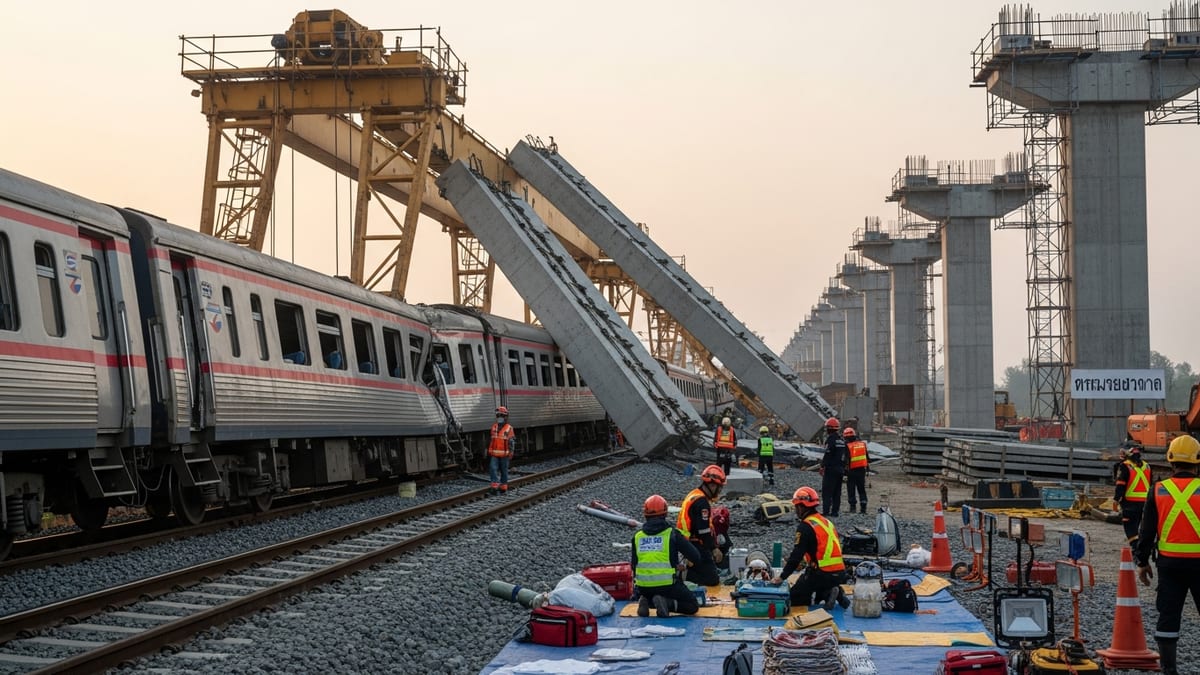
Second rail incident in weeks along the same corridor
Recent broadcast coverage and local radio reporting indicate the latest derailment occurred on July 3 along a Norfolk Southern freight route in Morgan County. Early information describes several cars leaving the tracks, but remaining upright, with no reported release of hazardous materials and no reported injuries among crew or nearby residents.
The incident comes shortly after a June derailment in the same county that involved tank cars carrying ethanol and other alcohol-based products. Publicly available summaries from state and federal agencies describe that earlier crash as more severe, with multiple cars off the tracks, a fire, and a significant spill into the surrounding environment.
Rail traffic through the region is a key link between industrial hubs and Appalachian communities, and the close timing of two derailments on the same line has become a focal point for local concern. While the July event appears to have been relatively minor, its proximity to the June alcohol spill has underscored wider questions about rail safety, maintenance, and emergency readiness.
Published coverage notes that the July 3 derailment did not trigger evacuation orders or long-term line closures, suggesting that damage to rolling stock and track infrastructure was limited. Even so, the repeat nature of incidents in a short window has heightened interest in how rail operations are managed in this part of Tennessee.
June alcohol spill left environmental and tourism worries
The earlier derailment, reported in mid June near Lancing and the Emory River, involved a longer section of train and several tank cars transporting ethanol and alcohols not otherwise specified. According to public summaries of the incident, multiple cars were breached, releasing more than 100,000 gallons of alcohol products and fueling a fire that burned near the river corridor.
State environmental agencies responded with water and air monitoring in the days that followed. Publicly available information shows that a temporary contact advisory was issued for portions of the Emory River, asking residents and visitors to avoid direct contact with the water while testing continued. Local emergency management updates indicated that crews were also tracking impacts on fish and other aquatic life.
Follow up statements from county and state agencies later indicated that private well testing around the incident area did not show impacts from the spill, easing some of the most immediate fears over drinking water. Campgrounds and recreation areas that had been closed as a precaution were gradually reopened as monitoring results stabilized.
Even with those assurances, the scale of the June spill has left a strong impression on nearby communities that rely on rivers, trails, and campgrounds as key parts of the local economy. For travelers, the episode highlighted how quickly a transportation incident can affect access to riverside campgrounds, paddling routes, and remote roadways that are popular in the summer season.
Implications for travelers and outdoor recreation
Morgan County sits along a stretch of the Cumberland Plateau known for wooded ridges, river gorges, and small towns that serve hikers, anglers, and campers. The Norfolk Southern corridor weaves through this landscape, often near the Emory River and feeder streams, which means that any derailment can have consequences for visitors even if injuries are avoided.
During the June alcohol spill, campground closures, river contact advisories, and temporary road restrictions affected access to certain recreation sites. While the newer July derailment did not prompt the same level of disruption, the brief uncertainty around the incident served as a reminder that travel plans in rail-adjacent areas can change quickly when freight trains are involved.
Travelers planning visits to Morgan County and nearby plateau destinations are increasingly checking local news outlets and county emergency management pages for updates on water quality and access before setting out. Lodging providers and outfitters in the region have also been relaying official advisories to guests when conditions change.
For those passing through the area by car, both incidents underscore the importance of flexibility. Temporary closures of grade crossings, short detours, or increased activity from emergency vehicles can follow a derailment, even a minor one. Visitors are being encouraged, through public messaging, to factor in extra time and to respect any barricades or closures around rail lines and rivers.
Broader safety debate around freight rail in scenic regions
The quick succession of derailments in Morgan County is feeding into a wider national discussion about freight rail safety, particularly on routes that carry hazardous materials through rural and recreational landscapes. Previous high profile derailments elsewhere in the country have already drawn attention to train length, track maintenance standards, and the transport of flammable liquids through small communities.
In Tennessee, public commentary has begun to focus on the balance between the economic role of rail freight and the risks of moving large volumes of chemicals and fuel near rivers, campgrounds, and trail networks. The combination of a major alcohol spill followed within weeks by a minor derailment, even without a second spill, has sharpened those conversations.
Regulators and industry groups at the national level have been discussing inspections, braking technology, and tank car standards in response to a series of derailments involving hazardous materials over recent years. The experiences in Morgan County are likely to feature in those assessments as an example of how repeated incidents can strain public confidence even when immediate health impacts appear limited.
For destinations that market themselves around outdoor recreation, rail safety now intersects directly with tourism strategies. Local leaders, according to published coverage, are weighing how to reassure visitors about water quality and access while also pressing for measures that might reduce the risk of future derailments.
What visitors should watch in the weeks ahead
In the near term, travelers with plans in Morgan County and neighboring counties are watching for continued environmental testing results from the June spill, particularly any long term data on river health and fish populations. Agencies have already shared preliminary findings that eased some concerns over drinking water, and more detailed assessments of sediment and aquatic life are expected to follow.
Recreation access is another area to monitor. While key campgrounds and river access points have reopened, short term advisories may continue as crews complete cleanup work or as contractors move equipment in and out of river corridors using local roads.
The July 3 derailment, while minor in comparison, has become a reference point in conversations about whether additional safety investments or operational changes are needed along this route. As investigations proceed, travelers and residents alike will be looking for public reports that explain what caused each incident and whether similar conditions exist elsewhere on the line.
For now, publicly available information suggests that Morgan County remains open to visitors and that core tourism assets are operating, albeit with heightened awareness of the rail line that threads through the county. For many who travel to the plateau, the recent derailments have added a new layer of questions to the trip planning checklist, alongside familiar considerations like weather, trail conditions, and river levels.