


More news on this day
A minor train derailment in Morgan County, Tennessee, reported this week with no injuries or hazardous material release, is drawing renewed attention because it follows a larger ethanol spill and trackside fire in the same rural county only weeks earlier.
Get the latest news straight to your inbox!
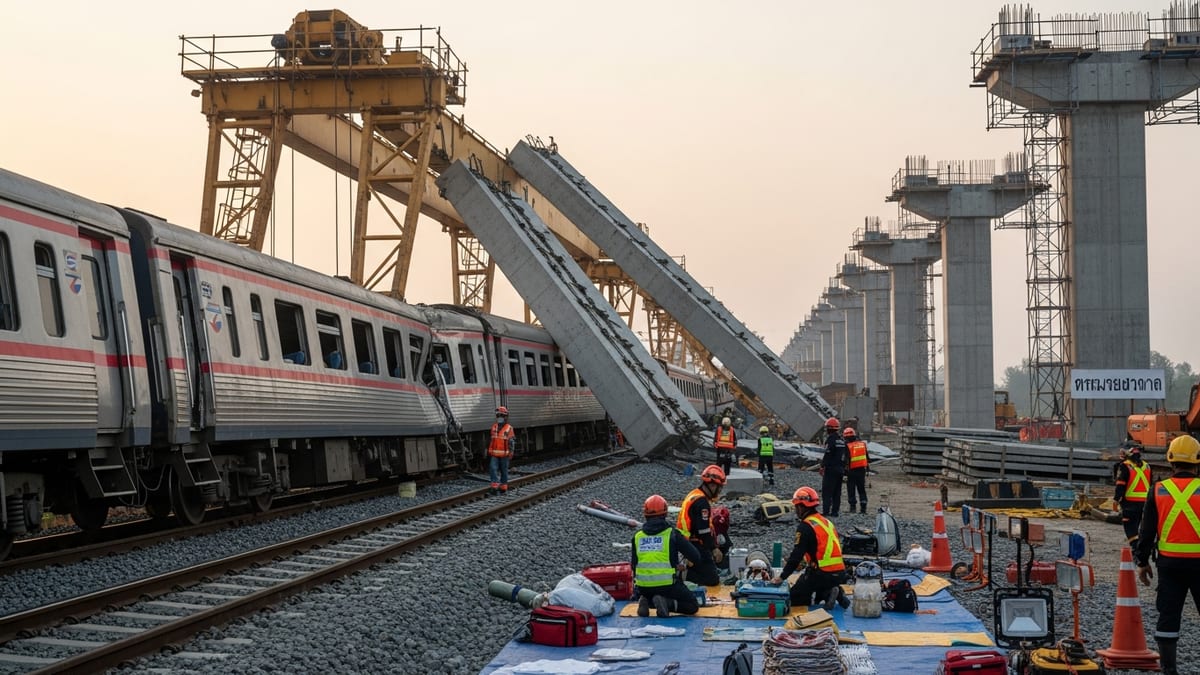
New incident reported as cleanup from ethanol spill continues
Recent coverage from regional outlets indicates that a freight consist traveling through Morgan County experienced a minor derailment affecting a small number of cars, none of which were reported to be carrying hazardous cargo. Early information points to limited damage to equipment and track and no impact on nearby homes or businesses, distinguishing the latest event from the more disruptive crash that occurred in June.
By contrast, publicly available information about the June derailment near the community of Lancing shows that a Norfolk Southern train hauling ethanol left the tracks, igniting several tank cars and prompting evacuations in the Shady Grove area as well as temporary closures along the Obed River corridor. Subsequent environmental monitoring summaries describe an alcohol-laden plume and ongoing sampling of air and water around the crash site.
Travel and outdoor recreation in the region are still feeling the effects of that initial event. Reports focused on the Obed Wild and Scenic River indicate that Rock Creek Campground and nearby river access points only recently began moving toward normal operations after weeks of precautionary closures, signage, and water-quality checks linked to the ethanol release.
The new derailment did not trigger comparable emergency measures, but its timing so soon after the spill has amplified concern among residents and travelers who rely on the rail corridor’s stability as it threads past campgrounds, trailheads, and waterways popular with visitors from across the Southeast.
Impact on visitors to Obed Wild and Scenic River
Morgan County’s rugged plateau country has become a draw for paddlers, climbers, hikers, and campers, many of whom base themselves at small campgrounds and outfitters near the Obed Wild and Scenic River. Travel-focused coverage from earlier in June detailed how the ethanol derailment forced temporary closures of river segments, disrupted outfitter shuttle schedules, and led to cancellations at campgrounds within driving distance of the wreck site.
National Park Service updates and local tourism boards have signaled that core visitor infrastructure around the Obed has been reopening in stages as air and water monitoring results remain within acceptable ranges. Recreational access has gradually resumed, although signs reminding visitors to stay alert around railroad crossings and industrial activity remain visible along some approach roads.
The latest, smaller derailment has not prompted new shutdowns in the park or at nearby recreation areas, according to travel advisories and local news briefings. Outfitters continue to operate trips, and campgrounds that had closed after the initial spill are welcoming guests again, albeit with an emphasis on checking conditions before arrival and allowing extra time for detours if track repairs are underway.
For travelers planning summer visits to Morgan County, the dual incidents highlight the value of monitoring park alerts, county emergency pages, and accommodation updates before departure. While tourism infrastructure is largely functioning, schedules for rafting, climbing access, and backroad drives can still shift on short notice when rail work or environmental sampling teams are active.
Rail safety questions in a rural tourism corridor
The back-to-back derailments are drawing attention to the role of heavy freight traffic in a county better known to visitors for sandstone cliffs and whitewater rapids than for tank cars. Federal summaries and transportation analyses note that derailments are not uncommon on the national rail network, and many incidents are classified as minor when they involve limited damage, no injuries, and no hazardous materials release.
What stands out in Morgan County is that the smaller event has arrived on the heels of a higher-profile ethanol crash. That earlier derailment produced intense fires and a visible smoke column, raising questions among residents about hazardous cargo routes, emergency preparedness in remote terrain, and the resilience of local tourism if a similar event occurred during peak visitation periods.
Publicly available information from environmental agencies describes an extended response to the ethanol spill, including boom placement on nearby waterways, removal of contaminated soil, and continued sampling of surface water downriver from the derailment site. Even as tests have indicated that drinking water sources remain safe, the need for prolonged monitoring underscores the potential consequences when hazardous liquids leave the tracks near a recreation corridor.
Transportation researchers frequently point out that rural counties must balance the economic importance of freight rail with the vulnerability of small communities and outdoor destinations that may lack redundant access roads or large-scale emergency infrastructure. In Morgan County, the pairing of a major alcohol spill and a follow-on minor derailment in close succession is likely to keep those tradeoffs in the spotlight.
What travelers should know before heading to Morgan County
For visitors, current reporting suggests that travel to Morgan County and the Obed Wild and Scenic River remains generally feasible, with lodging, dining, and outdoor outfitters operating on near-normal schedules. The recent minor derailment has not been associated with evacuations or long-term closures, and the earlier ethanol incident has moved into a monitoring and remediation phase.
Even so, travelers driving into the plateau region can expect to encounter occasional work zones along access roads where track repairs or environmental crews are present. Rail-adjacent routes that parallel the line may see brief delays, flaggers, or heavy equipment operating near grade crossings, particularly in the vicinity of Lancing and river access points affected by the June crash.
Travel industry observers recommend building flexibility into itineraries, especially for visitors with fixed launch times for paddling trips or guided climbing days. Allowing additional travel time, checking traffic and park advisories on the morning of departure, and staying in direct contact with local operators can help minimize disruption if rail-related activity temporarily slows road traffic.
Travelers with health sensitivities who were wary of visiting in the immediate aftermath of the ethanol fire may take some reassurance from recent environmental updates indicating that air and water readings have remained stable. Nonetheless, those with respiratory concerns may wish to review the latest publicly available monitoring summaries before committing to extended stays in river-adjacent campgrounds.
Broader context for rail incidents on popular travel routes
The events in Morgan County fit into a larger national conversation about freight rail safety, particularly when trains carrying flammable or toxic cargo run alongside rivers, through small towns, or near parks that attract visitors. Transportation statistics show that hundreds of derailments occur across the United States each year, and only a fraction involve hazardous materials or large-scale evacuations.
For destinations that rely on outdoor recreation, however, even a single major spill can reshape perceptions of safety and environmental quality. The June ethanol derailment introduced images of burning tank cars and river advisories into the narrative surrounding Morgan County, and the more recent minor derailment reinforces the sense that travelers share the landscape with an active industrial corridor.
Local tourism advocates have responded by emphasizing both the resilience of the landscape and the professionalism of cleanup and monitoring efforts, while also acknowledging traveler concerns about future incidents. Morgan County’s experience may influence how other rural tourism regions communicate about rail risks, emergency readiness, and environmental stewardship along routes that carry visitors as well as freight.
As summer travel continues, the county’s ability to maintain open campgrounds, clear communication, and reliable access in the aftermath of two rail events in quick succession will likely shape how quickly visitor confidence rebounds and whether the Obed region continues to grow as a Southeastern adventure destination.