


More news on this day
A minor train derailment in Morgan County, Tennessee, on the evening of July 3, 2026, resulted in no reported injuries, damage, or hazardous material release, according to published local coverage of the incident.
Get the latest news straight to your inbox!
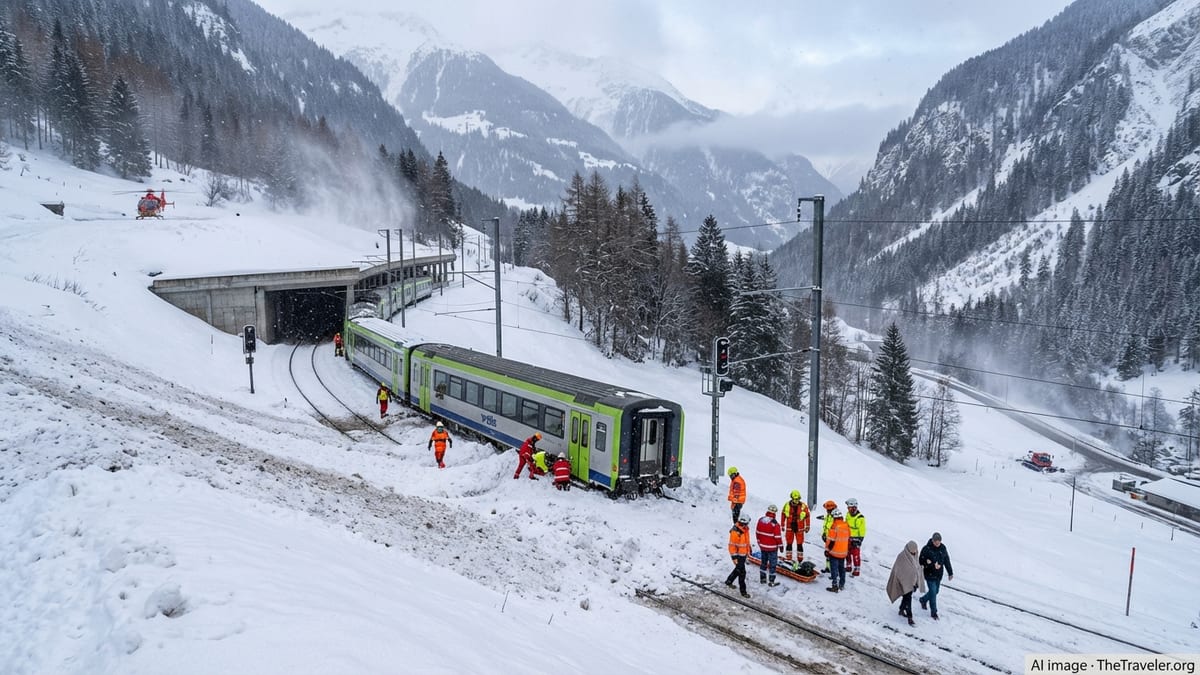
Engine Leaves Track Near Oakdale With Limited Impact
Reports indicate that the incident occurred in the Oakdale area of Morgan County, where one locomotive on a freight consist partially left the tracks while remaining upright. Local broadcast and radio coverage describe the incident as a minor derailment because only a single engine was involved and it did not overturn.
Information published over the weekend notes that no railcars derailed and there were no spills, leaks, or fires associated with the event. The lack of hazardous cargo involvement and the upright position of the engine meant that emergency actions were largely precautionary, focused on checking the track, equipment, and surrounding terrain.
According to commonly used rail terminology, any time even a single wheel leaves the rail, the occurrence is treated as a derailment. In this case, that technical definition applies, even though the scale of the event and the absence of injuries or property damage distinguish it sharply from more serious rail crashes that have drawn national attention in recent years.
Published accounts also note that rail traffic in the immediate area experienced only temporary disruption as crews inspected the site and prepared plans for re-railing equipment if needed.
Incident Follows Major Alcohol Spill in Same County
The minor July 3 derailment comes only weeks after a significantly larger rail incident elsewhere in Morgan County involving a Norfolk Southern freight train and tank cars carrying flammable liquids. Federal summaries and regional reporting describe how that earlier June 11 derailment released more than 100,000 gallons of alcohol products near waterways and prompted evacuations and an extended response.
In that earlier case, preliminary information from federal transportation investigators highlighted the scale of damage to rolling stock and track infrastructure, with multimillion-dollar repair estimates and days of suspended rail service along a key freight corridor. Environmental monitoring of surface water and private wells has continued into early July, and publicly available test results reported by local outlets have so far pointed to no significant contamination in drinking-water sources.
By contrast, the July 3 event in the Oakdale area did not involve hazardous materials, did not trigger evacuation orders, and did not produce visible environmental impacts. The proximity in time and location between the two incidents, however, has drawn added attention from residents and travelers who rely on Morgan County’s road and rail network for access to outdoor recreation sites and regional destinations.
Publicly available coverage from regional news outlets notes that both incidents occurred along freight routes that parallel rivers, highways, and trail corridors used by visitors heading toward the Obed Wild and Scenic River and nearby state parks.
Community and Traveler Concerns Around Rail Safety
While the latest derailment did not result in injuries or damage, its occurrence so soon after the alcohol spill is prompting renewed questions about rail safety in rural, tourism-dependent areas. Commentaries in regional media have emphasized that many derailments nationwide are classified as minor because they involve limited damage, no hazardous material release, and no casualties, yet they may still shake public confidence when they occur in clusters or near sensitive natural areas.
Travelers heading into Morgan County for climbing, paddling, hiking, or camping often pass within sight of active rail lines that carry mixed freight, including tank cars with flammable or industrial products. The combination of steep terrain, river gorges, and limited road access means that any significant incident can quickly complicate emergency response and visitor movement.
Recent federal safety materials on derailments highlight the importance of track maintenance, train handling practices, and real-time monitoring systems in reducing both major and minor events. For visitors planning trips through regions where freight lines run close to recreation destinations, these discussions can influence decisions about routes, timing, and contingency planning.
Local tourism operators and lodging businesses monitoring publicly available information about the July 3 incident have not reported widespread cancellations linked specifically to the minor derailment, but some have noted that guests are increasingly asking about rail-related risks and access conditions after the June alcohol spill.
What the Morgan County Case Illustrates for Rail-Rich Destinations
The Morgan County derailments underscore how rural destinations that depend on scenic rivers, climbing areas, and trail systems often share space with long-established freight corridors. Rail infrastructure built to follow river valleys and natural passes now runs beside public lands, campgrounds, and small communities that host visitors from across the region.
In practice, this overlap means that even minor operational events, such as a locomotive’s wheels briefly leaving the rails without causing damage, can become focal points for local concern when they follow high-profile hazardous-materials incidents. Published analyses of recent crashes in other states indicate that visitors tend to conflate separate events when they occur within a short period, heightening perceived risk even when the later incidents are far less severe.
Transportation safety discussions increasingly point to the need for clear, publicly accessible information when rail incidents occur near recreation gateways. For travelers, knowing whether an event involves hazardous cargo, has affected water quality, or has led to road or trail closures can shape short-term itinerary decisions more than technical classifications of derailment severity.
The July 3 incident, as described in regional coverage, illustrates a scenario in which prompt assessments and the absence of environmental impact allowed normal travel patterns to resume quickly, even as longer-term questions about freight traffic and infrastructure resilience remain.
Planning Travel Through Morgan County After Recent Incidents
For visitors considering trips to Morgan County in the coming weeks, publicly available reports indicate that the minor derailment near Oakdale has not resulted in ongoing closures of major roads or recreation access points. Rail operations along the affected stretch have been inspected and adjusted, and there are no current indications of long-term disruption tied specifically to the July 3 event.
In areas closer to the June alcohol spill, federal and local summaries show that environmental monitoring continues but that recreational access has largely been maintained, with agencies and organizations emphasizing routine safety guidance for river use and backcountry travel. Travelers are encouraged to review the latest publicly posted notices regarding river flows, trail conditions, and any temporary advisories that may be in place for reasons unrelated to the derailments, such as weather or maintenance work.
More broadly, the Morgan County incidents highlight the value of checking multiple information sources before setting out, particularly when driving or paddling through corridors shared with freight rail lines. Monitoring local news reports, county alert systems, and transportation updates can help travelers avoid unexpected delays and stay aware of any new developments along their route.
For now, published coverage suggests that the minor derailment reported in early July has become part of a larger regional discussion about how communities along rail corridors balance freight operations, environmental protection, and the visitor economy, rather than a standalone disruption to travel in eastern Tennessee.