


More news on this day
Residents in a Bucyrus, Ohio neighborhood were ordered to evacuate on July 6 after a freight train derailed near Whetstone Street and Auto Avenue, leaving a tanker car suspected of carrying hydrochloric acid at risk of leaking, according to early regional news coverage and local public alerts.
Get the latest news straight to your inbox!
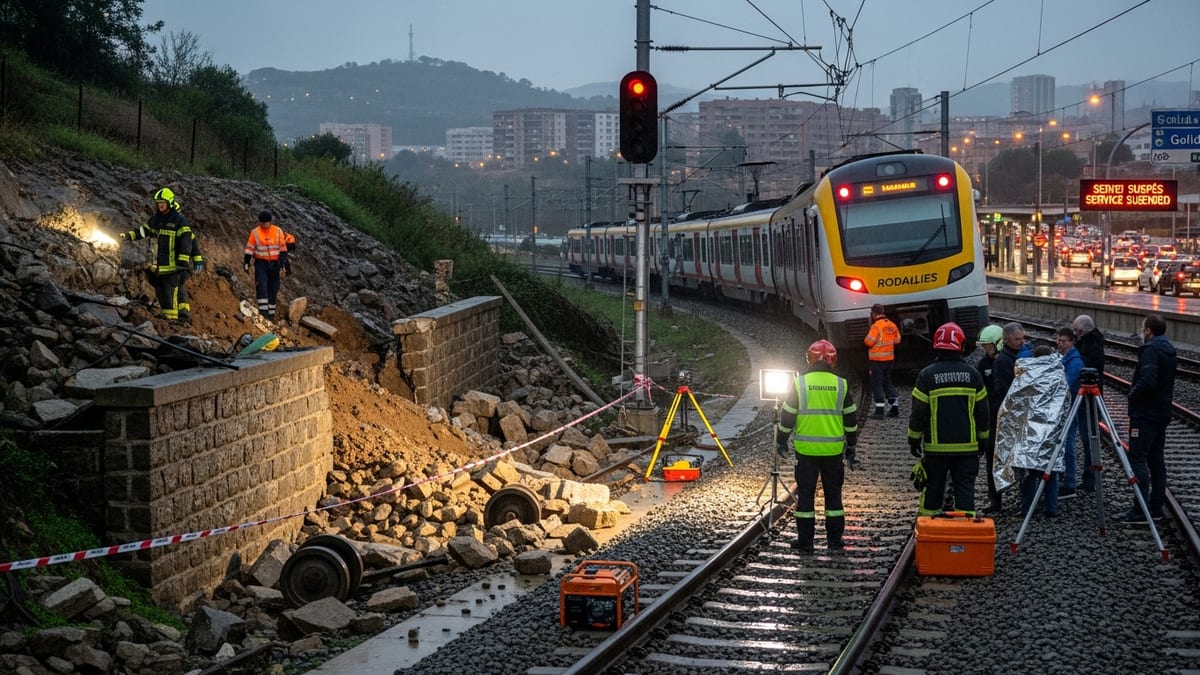
Evacuation zone established near derailment site
Initial reports indicate that the derailment occurred near an at-grade crossing in the western part of Bucyrus, prompting an evacuation for people living within roughly one third of a mile of the tracks. Local alerts described the action as a precautionary measure while emergency crews assessed whether a hazardous materials release was underway.
Regional television coverage described several cars off the tracks, including at least one tanker believed to be loaded with hydrochloric acid. Publicly available information from the scene indicated that responders treated the incident as a potential chemical leak with an elevated risk of explosion if conditions around the tanker changed.
Residents were urged to leave the area quickly, closing windows and doors and staying clear of the rail corridor while rail and fire crews worked to secure the site. Traffic was diverted away from Whetstone Street and Auto Avenue, and people were asked to avoid congregating near roadblocks or attempting to approach the derailment on foot.
As of midafternoon, there were no widely reported injuries connected to the derailment, but a final accounting of property damage and any environmental impact had not yet been released. Officials signaled that further updates on air monitoring, shelter guidance, and reentry timelines would be shared through local media and municipal channels.
Hydrochloric acid and potential health risks
Hydrochloric acid is a widely used industrial chemical that is typically transported in bulk in rail tank cars and highway tankers. In liquid form it is highly corrosive, and when released it can generate a strong, irritating vapor. Public health guidance notes that exposure to elevated concentrations can cause burning sensations in the eyes, nose, throat, and lungs, along with coughing and shortness of breath.
In outdoor releases, the extent of risk often depends on weather, wind direction, and the volume of material involved. Emergency planning documents for chemical incidents describe hydrochloric acid as a substance that can pose both acute health hazards close to the source and corrosive damage to surfaces and vegetation if significant quantities escape containment.
Specialized hazardous materials teams typically use protective suits, air monitoring equipment, and neutralizing agents to stabilize or transfer acid from a damaged rail car. According to published guidance on chemical transport safety, establishing a protective zone around a suspected leak is considered standard practice until responders can confirm whether fumes are present above health-based thresholds.
For residents outside the immediate evacuation perimeter, sheltering indoors with windows and doors closed and ventilation systems set to recirculation is often recommended in similar events. Local agencies in Ohio have previously emphasized that people should follow official alerts rather than social media rumors when deciding whether to leave or remain in place during hazardous materials responses.
Bucyrus incident revives anxiety over rail safety
The Bucyrus derailment comes at a time of heightened public sensitivity to rail incidents involving hazardous materials, particularly in Ohio. High-profile accidents in recent years elsewhere in the state have sparked ongoing debates about train length, track maintenance, braking technology, and oversight of trains carrying toxic or flammable cargo.
Transportation safety analyses published since 2023 highlight that while most freight rail shipments involving chemicals reach their destinations without incident, the small fraction that derail can have outsized consequences for nearby communities. A pattern of derailments involving acids, industrial solvents, and other corrosive or toxic substances has fueled calls for more transparent routing information and stronger protections for towns and cities built along rail corridors.
Advocacy groups and some policy experts have argued that the clustering of rail lines through older residential neighborhoods, such as those found in parts of Bucyrus, increases the potential for disruptive evacuations when something goes wrong. They also point to the strain on local fire departments that must be prepared to manage complex hazardous materials scenes that can last hours or days.
Rail industry representatives have countered in public forums that derailments remain rare relative to the volume of freight moved and that the sector invests significantly in track inspection, equipment upgrades, and emergency preparedness programs. The Bucyrus episode is likely to be cited in continuing discussions over whether additional federal or state rules are needed for trains hauling materials like hydrochloric acid.
Emergency response and next steps for residents
Early information from Bucyrus indicated that fire, police, and specialized hazardous materials personnel were sent to the derailment site soon after reports of the accident emerged. Rail company response teams also appeared to be on scene, working alongside local crews to inspect railcars, monitor the air, and determine whether product had escaped from the suspected acid tanker.
Published coverage of similar incidents shows that responders typically focus first on life safety, including evacuation, fire suppression, and vapor plume monitoring, before turning to longer term stabilization and cleanup. That process can involve offloading remaining chemicals to other railcars or trucks, constructing containment berms, and testing soil and nearby waterways for contamination.
Residents who left their homes near Whetstone Street and Auto Avenue have been advised through local news reports to track municipal announcements for word on when it is safe to return. In other hazardous materials derailments, access has generally been restored only after air monitoring confirms that corrosive or toxic gases are no longer present at concerning levels and damaged equipment has been secured.
Travelers passing through Bucyrus by road are being encouraged to plan for detours and delays while rail and emergency teams continue their work. Depending on the extent of track damage and the complexity of the cleanup, freight operations along the affected line could be disrupted for an extended period, with ripple effects on regional rail traffic.
Broader implications for travelers and local infrastructure
For travelers and visitors, the Bucyrus derailment offers a reminder of how closely many transport corridors intersect, with highways, local streets, and rail lines sharing tight spaces in small and mid-sized American cities. Disruptions on the rails can quickly cascade into traffic congestion and temporary closures of key routes used by commuters and tourists.
Trip planners heading through north-central Ohio may face route changes while the derailment zone is active, and public transportation options that rely on nearby crossings or roadways could also be affected. Travel advisories in similar situations often recommend building in extra time, checking local traffic reports, and heeding any posted detour signs around rail infrastructure.
Urban planners and safety advocates have increasingly urged that rail safety, hazardous materials routing, and evacuation planning be considered alongside tourism development and downtown revitalization strategies. Bucyrus, which markets its historic downtown and community events, now faces the short term task of managing a disruptive emergency while also considering how future rail operations coexist with residential areas and visitor amenities.
As investigators document what led to the Bucyrus derailment and how the response unfolded, the findings are expected to inform local emergency plans, training exercises, and potential infrastructure upgrades. For residents living near the tracks and travelers passing through, the incident underscores the importance of clear communication, resilient transportation networks, and ongoing attention to the risks posed by hazardous materials in transit.