


More news on this day
More than 400 flights were delayed across Moscow’s four main airports on Sunday, September 20, 2026, after temporary restrictions halted arrivals and departures during an overnight security disruption that upended airline schedules and stranded travelers in terminals.
Get the latest news straight to your inbox!
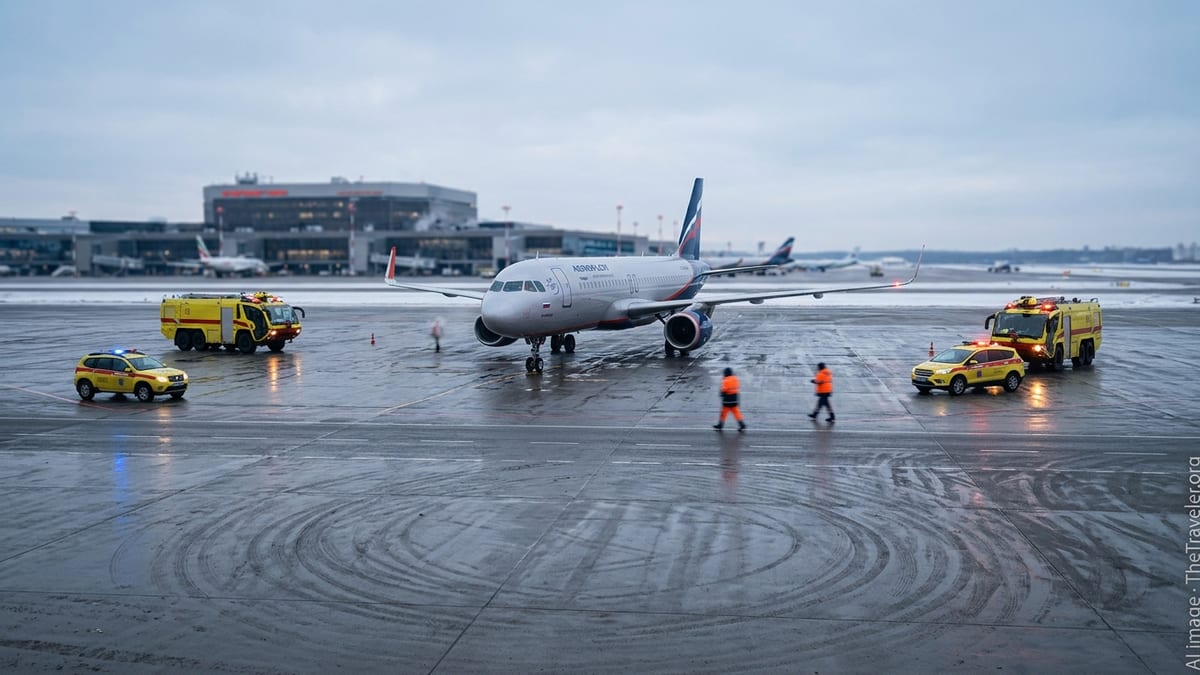
What Happened At Moscow’s Four-Airport Hub
Published coverage on September 20 shows temporary flight restrictions were introduced at Sheremetyevo, Domodedovo, Vnukovo, and Zhukovsky, the airport group that handles most commercial air traffic into and out of the Russian capital. The restrictions were later lifted Sunday morning, allowing airports to resume normal operations, but the backlog of aircraft and crews continued to affect departures and arrivals well into the day.
Multiple reports tied the disruption to a large overnight drone attack targeting the Moscow region, which led to temporary airspace and airport limitations for safety reasons. Associated Press coverage described a widespread barrage of drones across Russia, including a major wave directed toward Moscow.
Even after the restrictions were lifted, flight information boards and airline operational systems reflected cascading delays. When a major hub pauses traffic, inbound aircraft may divert or hold, outbound aircraft may miss departure slots, and crews can time out under duty rules, turning a short suspension into a day-long schedule shock.
Scale Of The Delays And Cancellations
Russian business and general-news outlets reported that more than 400 flights were delayed across the Moscow aviation hub since the start of the day, with Sheremetyevo showing the heaviest disruption. Published coverage also indicated dozens of cancellations at Sheremetyevo and additional cancellations at other airports, alongside hundreds of delayed arrivals and departures overall.
As of midday in Moscow, reports based on airport online boards indicated that Sheremetyevo had more than 30 cancellations, plus large blocks of delayed arrivals and delayed departures. Vnukovo and Domodedovo also showed significant delay totals, while the smaller Zhukovsky airport still posted multiple delays and some cancellations.
Separately compiled summaries tracking Russia-wide flight boards on September 20 pointed to broader disruption beyond Moscow, suggesting the knock-on effects reached other airports as aircraft rotations and onward connections were thrown off.
How Airlines And Routes Were Affected
Russian carriers with dense Moscow schedules were among those most exposed. Coverage in Russia noted schedule adjustments by major airlines, including Aeroflot and Pobeda, as they worked to re-sequence flights after the restrictions lifted. That kind of recovery process typically involves swapping aircraft, consolidating loads, and re-timing departures to match available airport slots.
For travelers, the practical impact was most acute on short-haul domestic routes and regional international services that rely on tight turnarounds. When inbound flights arrive late, the same aircraft often operates the next sector, pushing delays deeper into the network and complicating same-day connections through Moscow.
Published coverage also indicated that passengers were urged to verify flight status directly with their airline before traveling to the airport, reflecting the fast-changing nature of recovery operations after a temporary shutdown.
What Travelers Should Do If Flying Through Moscow Now
Passengers with itineraries touching Moscow on September 20 and the following days may face residual effects, especially if their trip depends on a same-aircraft rotation or a narrow connection window. A delay at Sheremetyevo, Domodedovo, or Vnukovo can quickly translate into missed onward segments if the itinerary is built around typical hub bank times.
Travelers can reduce risk by checking the airline’s live flight status and any rebooking options before heading to the airport, then confirming terminal and check-in details shortly before departure. In disruption events, airlines sometimes move flights between terminals or retime check-in cutoffs to match new departure windows.
For those already impacted, the most time-sensitive steps are to secure a confirmed rebooked itinerary, verify baggage handling (especially for transfers), and keep documentation of expenses and notifications. Compensation and support rules can vary by carrier and ticket type, and may be influenced by the cause of disruption and local regulations.