


More news on this day
More than six in ten Irish holidaymakers now feel at risk of travel disruption when planning trips, according to new survey findings that highlight how concern over cancellations, delays and unexpected costs is reshaping how people in Ireland approach their holidays.
Get the latest news straight to your inbox!
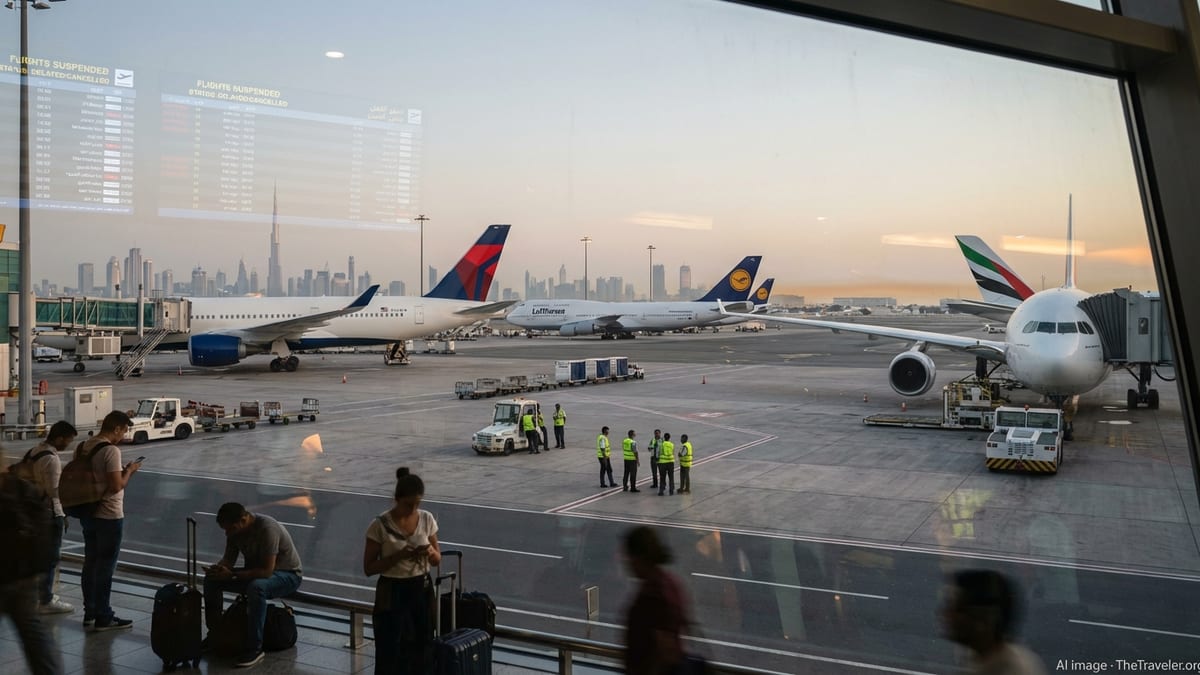
Survey Highlights Widespread Anxiety Around Trips
The latest data on Irish holiday sentiment indicates that a clear majority of leisure travellers believe there is a real chance their plans could be disrupted, whether by transport issues, changing geopolitical conditions or unexpected personal circumstances. The headline figure of over 60% who feel at risk reflects a broader unease that has persisted since the pandemic era and been reinforced by recent reports of flight disruption across Europe and beyond.
Travel research focused on the Irish market shows that many holidaymakers have already experienced problems. Consumer data referenced by Irish media this year reports that roughly one in six Irish travellers encountered issues with their trips last summer, ranging from cancellations and delays to medical emergencies and lost luggage. Those experiences appear to be feeding into current perceptions, with people increasingly planning for the possibility that something could go wrong before or during their holiday.
At the same time, sentiment trackers suggest that while anxiety is widespread, it is not keeping people at home. Central Statistics Office figures covering 2025, reported by national outlets, show a rise in outbound trips and a shift away from domestic “staycations,” even as many travellers say they feel more vulnerable to disruption than in previous years.
Cost of Living, Geopolitics and Extreme Weather Drive Concern
Behind the sense of risk lies a mix of financial and external pressures. Surveys of Irish holidaymakers carried out for major travel agencies in recent months highlight the impact of the cost of living, with well over 60% of respondents saying rising everyday expenses in Ireland are influencing how and when they book. Many report delaying decisions in the hope that prices will fall, while others are scaling back their plans, shortening trips or opting for cheaper destinations.
Geopolitical tensions are another factor. Recent coverage of rerouted flights and altered travel patterns due to conflicts in parts of the Middle East and Eastern Europe has underscored how quickly air corridors can change. Irish travellers, who are heavily reliant on air connections to reach sun destinations, are increasingly aware that sudden advisories, strikes or fuel concerns can upend itineraries with little notice.
Climate and weather risks are also entering mainstream decision-making. Tour operators’ surveys cited in Irish media point to a growing reluctance to travel to very hot destinations during peak summer, following heatwaves and wildfires in parts of southern Europe in recent years. Some Irish holidaymakers now report choosing cooler shoulder-season dates or alternative locations to reduce the chance that extreme weather could spoil their trip.
Insurance Gaps Expose Travellers Despite Rising Spend
While many Irish holidaymakers say they feel more at risk, research suggests their financial protection has not fully caught up. Analysis of travel insurance behaviour published in Ireland this year indicates that about one in three travellers set off without any cover at all, with that figure rising close to half among those under 35. This is despite separate findings that Irish consumers spent an average of almost €2,500 on holidays last summer.
Where cover is in place, it is often minimal. A survey for the specialist provider Multitrip.com found that Irish customers frequently select the cheapest available policies, and only a small minority check key details such as medical cover limits. Optional add-ons like travel disruption cover, gadget protection or winter sports benefits are widely available but not routinely purchased, leaving many exposed to the costs associated with cancellations or delays.
Consumer regulators have also warned that many people misunderstand what their policies include. Research referenced by Irish newspapers notes that travellers often assume they are protected for a much wider range of disruption than their contract actually provides. That knowledge gap can lead to unpleasant surprises when claims are made for events such as airline schedule changes, industrial action or severe weather that fall outside standard policy terms.
Strong Appetite for Travel Persists Despite Fears
Even with disruption concerns running high, intent to travel from Ireland remains robust. A travel sentiment survey conducted for Click&Go Holidays and published in recent months found that around 80% of respondents still expected to take a holiday, and just under half planned to book their 2026 trips in the opening quarter of the year. Separate polling reported by Irish newspapers suggests that more than half of adults in Ireland are planning three or more holidays in 2026, ranging from weekend breaks to long-haul trips.
Official data supports the picture of resilient demand. The Central Statistics Office has reported a steady increase in outbound overnight trips, with holidays accounting for the bulk of journeys abroad. While domestic tourism has softened compared with the height of the staycation years, airports and airlines serving Ireland have continued to record high passenger volumes, particularly on routes to Spain, Portugal and other Mediterranean destinations.
Industry figures interpret these trends as evidence that Irish consumers are prepared to accept a level of risk in return for a break, even as they remain conscious of potential disruption. Many are adapting by booking earlier to secure better prices, building in longer connection times, and paying closer attention to the terms of airline and accommodation cancellations, rather than abandoning their plans altogether.
How Irish Holidaymakers Are Responding to Rising Risk
The perception of heightened disruption is prompting gradual but noticeable changes in traveller behaviour. Surveys cited in Irish media indicate a move towards earlier research and more detailed comparison of airline, tour operator and accommodation policies. Flexibility, such as free changes or refundable rates, has become a key selling point, particularly for families and older travellers who may be more sensitive to last-minute changes.
There is also evidence of more selective destination choices. While traditional hotspots in Spain and Portugal remain popular, some Irish holidaymakers are diversifying towards destinations perceived as politically stable, less exposed to extreme heat, or better served by direct flights. Reports indicate that concerns over long-haul routings through volatile regions are nudging a portion of travellers to focus on shorter, point-to-point journeys within Europe.
Advisers in consumer-focused coverage continue to stress the importance of checking the fine print on travel insurance, airline compensation rules and package holiday protections. With more than 60% of Irish holidaymakers now saying they feel at risk of disruption, the emerging message from recent research is that risk is no longer a fringe consideration but a central part of how trips from Ireland are planned, budgeted and booked.