


More news on this day
A devastating flash flood that tore through Nepal’s northern border districts in late August has left hundreds of foreign tourists unaccounted for and prompted a wave of travel warnings for popular trekking and pilgrimage corridors ahead of the autumn high season.
Get the latest news straight to your inbox!
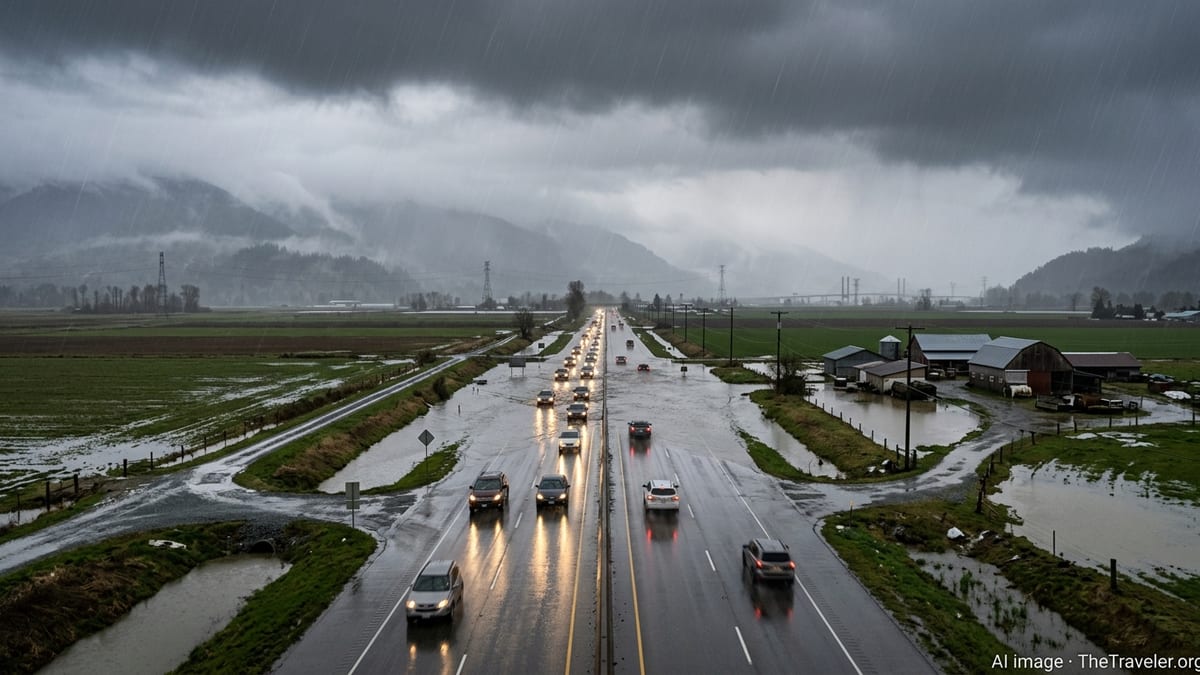
Catastrophic Flood Hits Key Himalayan Corridor
On August 26, 2026, a massive flash flood surged down the Bhote Koshi and Trishuli river systems along the Nepal China border, destroying settlements, roads and hydropower sites in Rasuwa and neighboring districts north of Kathmandu. Published accounts describe the event as the result of a glacial collapse that sent a wall of water, rock and debris through narrow Himalayan valleys with little warning, catching residents, workers and visitors in its path.
Initial reports spoke of at least 160 fatalities in the border area, but subsequent tallies indicate the death toll has surpassed 1,000 across Nepal and adjoining parts of China as rescue teams reach more isolated communities and hydropower tunnels. Communities such as Syabrubesi, Timure and sections of the Rasuwagadhi Kerung road, all critical waypoints for trade and travel between Nepal and Tibet, have been heavily damaged or swept away.
In the aftermath, Nepal’s disaster monitoring platforms and international media note that thousands of people remain missing, including local residents, construction workers and visitors. Alongside the human toll, the flood has disrupted transport and power infrastructure across a region that serves as both a gateway to Tibet and a jumping off point for some of Nepal’s most valued trekking routes.
Hundreds of Foreign Tourists Listed as Missing
Among those still unaccounted for are large numbers of foreign nationals who were in the region for trekking or pilgrimage at the height of the summer monsoon. One detailed summary of official figures cited in international coverage reports more than 1,400 people listed as missing in the early days after the disaster, including hundreds of foreigners from more than 30 countries.
According to data referenced by major news outlets, Nepal’s missing persons lists include nearly 600 foreign visitors, many of them mountain trekkers and Hindu pilgrims journeying toward Tibet’s Mount Kailash. Specialist trekking and travel advisories collating information from Nepalese authorities and domestic media describe 600 to 700 tourists and other foreign travellers as out of contact in the Langtang Gosaikunda corridor and along the road toward the Rasuwagadhi Kerung border crossing at various points in recent days.
Travel industry outlets focused on Himalayan trekking further note that at least several hundred of the missing are believed to have been moving through the same river corridor that later flooded, whether by road en route to trailheads such as Syabrubesi, or staying in lodges and campsites along the valley. In Kathmandu, agencies that would ordinarily be arranging autumn departures have shifted their efforts toward tracing clients and staff, based on publicly available reporting from the sector.
Trekking Routes Disrupted as Warnings Spread
The flood struck a part of Nepal that is both geographically fragile and central to the country’s trekking economy. The Trishuli Bhote Koshi corridor carries the main road to Syabrubesi and Dhunche, trailheads for the Langtang Valley trek and the Gosaikunda lakes, and also serves the overland route to Tibet via the Rasuwagadhi Kerung crossing. Travel advisories compiled by local trekking operators and tourism news sites state that significant sections of this road have been washed away or buried by landslides.
Guidance issued in recent days by trekking companies and industry associations advises against independent overland travel toward Syabrubesi, recommending that travellers avoid all riverbank trails in the affected corridor until engineers and local authorities complete damage assessments. Several analyses explain that while the upper Langtang trekking trail itself lies in a different river valley and has not been directly destroyed, access to the usual roadhead is severely restricted, with some itineraries being rerouted via alternative approaches from Dhunche or through longer ridge routes.
Sector wide updates summarizing the status of trekking routes after the flood emphasize that most of Nepal’s major autumn destinations, including the Everest and Annapurna regions, remain physically unaffected. However, they also caution that landslides, trail damage and road closures can change quickly during the tail end of the monsoon, and that travellers should treat any route intersecting the Bhote Koshi and Trishuli valleys with heightened caution for the coming weeks.
Governments Urge Caution as Advisories Tighten
The scale of the disaster and the high number of missing foreign nationals have prompted a tightening of travel advisories from multiple governments. Consular notices compiled by travel industry observers indicate that several countries have raised their risk levels for travel to northern and central Nepal, singling out flood affected districts such as Rasuwa, Nuwakot and Dhading, along with overland routes to Tibet.
Many of these advisories recommend that travellers postpone non essential trips to the immediate disaster zone, avoid road travel along damaged river corridors, and keep in close contact with tour operators and embassies if already in Nepal. Some governments also urge citizens to register itineraries and maintain regular check ins with family or contacts at home in case communication networks are disrupted further by landslides or infrastructure failures.
Travel safety briefings produced by trekking specialists echo this guidance, advising visitors to verify road access and trail conditions just before departure, to avoid attempting improvised or unmapped detours around closures, and to ensure that any trek in the wider region is organized through a licensed operator with up to date information from local authorities and community networks.
What the Disaster Means for Upcoming Trips
For travellers with Nepal trips planned in the coming weeks, the emerging picture is mixed. On one hand, industry briefings underline that the overwhelming majority of Nepal’s trekking regions, including the classic circuits in the Everest and Annapurna areas, have not been directly hit by the August 26 flood. For these destinations, current advice from local operators is generally that trips can proceed, provided travellers remain flexible and stay alert to localized landslides and weather related disruptions.
On the other hand, visitors whose itineraries depend on the Langtang Gosaikunda region, the Rasuwagadhi Kerung border crossing or road journeys along the Bhote Koshi and Trishuli valleys may face postponements, rerouting or cancellations. Detailed route status reports prepared by Nepal based trekking companies list the Kailash Mansarovar overland pilgrimage as suspended for the current season and describe access to Syabrubesi and nearby settlements as heavily constrained, with emergency traffic and reconstruction prioritized over tourism.
Travel planners suggest that visitors who are unsure about their route should check whether their trek requires road travel through Rasuwa or other affected districts, and if so, discuss alternatives with their operator or consider shifting to unaffected regions. Across many industry briefings, there is a common message that responsible tourism can still play a role in Nepal’s recovery, but only if travellers respect route restrictions, follow updated safety advice and remain sensitive to communities that are still searching for missing relatives, including hundreds of tourists who have yet to be traced.
Associated Press: Floods caused by a glacial collapse kill at least 160 people on Nepal China border
The Guardian: Nepal Tibet flood deaths pass 1,000 as efforts to identify victims intensify
Travel Himalaya Nepal: Trekking Nepal after the 2026 floods
Travelling Nepal: Rasuwa flood rescue update and implications for Langtang treks
Places Nepal: Nepal flood 2026 trekking routes affected and operating