


More news on this day
New Taipei Metro Corporation is rapidly becoming a cornerstone of northern Taiwan’s transport network, steering a cluster of new light metro and light rail projects that are reshaping how residents and visitors move around the greater Taipei region.
Get the latest news straight to your inbox!
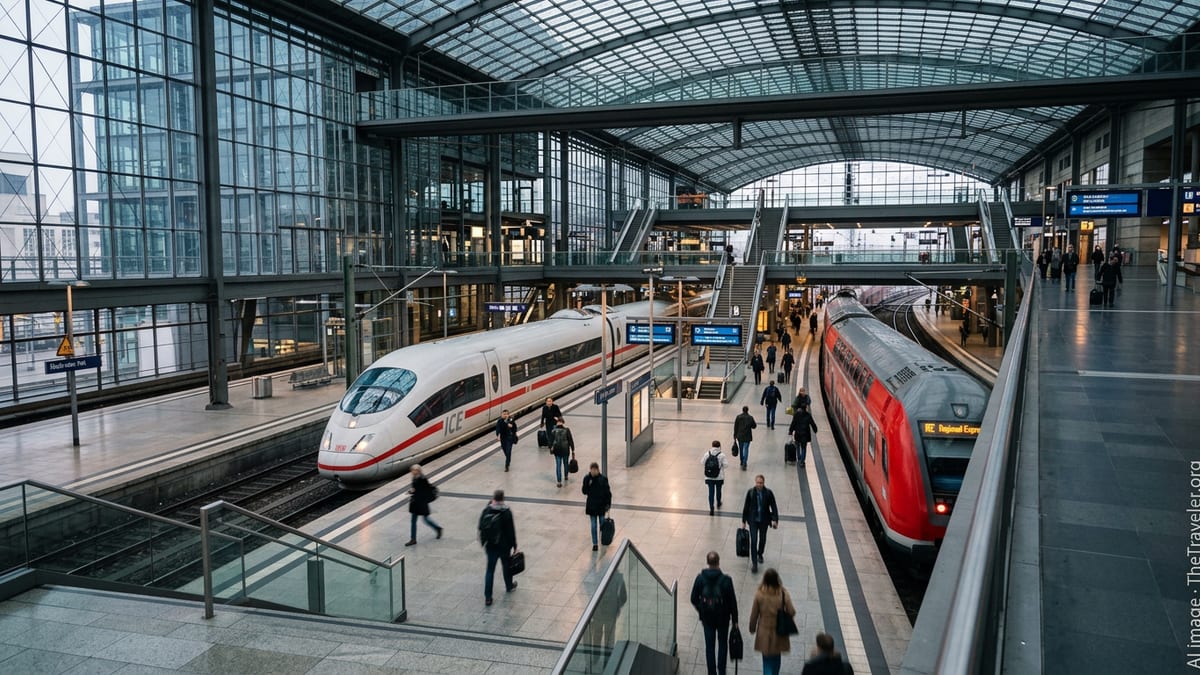
A young operator at the center of New Taipei’s rail push
New Taipei Metro Corporation, often shortened to NTMC, has taken shape as the dedicated operator for New Taipei City’s growing portfolio of urban rail lines. Publicly available company information shows that it was established to run lines sponsored by the New Taipei City Government, separating these services from the longer‑established Taipei Metro system while still integrating closely with it for passenger transfers and fare structures.
Current operations under the NTMC banner include the Danhai Light Rail in Tamsui District and the Ankeng Light Rail in Xindian District. Network data compiled by mapping and transit platforms lists these routes as part of the New Taipei Metro system and identifies them as light rail or light metro services, reflecting a lighter infrastructure profile than the heavy‑rail backbone in central Taipei. Together, they form the first pieces of what city planning documents describe as a broader New Taipei network focused on filling suburban gaps and supporting new housing districts.
The corporation’s remit also extends to sections of the Circular Line, which arcs through both Taipei and New Taipei and provides important interchange points between the two cities. Coverage of past operating contracts indicates that rights to operate portions of this orbital route have shifted over time between Taipei Metro and New Taipei interests, underscoring the political and financial importance of who runs the line and how revenue is shared across city borders.
For travelers, the presence of a dedicated New Taipei operator means that more of the metropolitan area’s outer districts are being served by rail designed with local development in mind. It also highlights a shift in focus from purely radial routes into downtown Taipei toward a ring of cross‑suburban connections intended to shorten journeys that once required a detour through the city center.
Danhai and Ankeng lines bring rail closer to waterfront and hillside districts
The Danhai Light Rail has become NTMC’s flagship line, running through Tamsui’s rapidly developing coastal corridor. Project profiles describe the line as a mix of elevated and at‑grade sections that link Hongshulin, an interchange with Taipei’s Tamsui–Xinyi heavy‑rail line, to new residential areas in Danhai New Town and key local destinations such as Tamsui Fisherman’s Wharf. By using light rail technology with relatively compact stations and surface segments, the project has been able to thread through existing streets while still offering a metro‑style frequency.
Industry analyses note that the Danhai route is structured into branches often referred to as the Green Mountain and Blue Coast sections, reflecting their different alignments and seaside character. This configuration allows NTMC to serve both dense apartment districts inland and tourist‑oriented waterfront areas without requiring passengers to transfer between separate systems. For visitors arriving from central Taipei, a single ticket can carry them from the city center to Tamsui and onward to tram stops near parks, university campuses, and new shopping streets.
Further south, the Ankeng Light Rail forms another important component of NTMC’s portfolio. Publicly available route descriptions show that it connects the Circular Line’s Shisizhang Station with hillside communities in the Ankeng area of Xindian. The line gives residents in these steep, previously car‑dependent neighborhoods a direct link into the wider metro network and is designed to integrate with bus services that climb deeper into the hills.
Both lines are being closely watched by urban planners as test cases for how rail can guide suburban growth in northern Taiwan. Reports on development along the Danhai corridor describe new housing clusters, retail centers, and promenades emerging around stations, while transit planning documents point to similar expectations for Ankeng. For NTMC, these patterns translate into growing ridership bases and an expanding operational footprint in some of New Taipei’s most visually striking districts.
Sanying Line set to become the next major addition
The next milestone for New Taipei Metro Corporation is the Sanying Line, a light metro corridor under construction in the city’s southwestern belt. Official project overviews describe the route as part of the New Taipei Metro system and assign it a light blue color on network diagrams. The line is planned to connect Tuyoupi Station in Tucheng District to areas in Sanxia and Yingge, two districts known for historic streets and the region’s ceramics industry.
Recent coverage in Taiwanese media indicates that New Taipei’s mayor has publicly targeted mid‑2026 for the opening of the Sanying Line, describing it as on schedule in a broader slate of rapid transit projects. Those same reports list Sanying alongside the Circular Line, Danhai Light Rail, and Ankeng Light Rail as key elements of the city’s recent and upcoming rail growth, suggesting that the corridor is viewed as a priority for both daily commuting and tourism access to Sanxia’s old town and Yingge’s pottery shops.
Transit reference sources explain that the Sanying Line is being built as an automated light metro with multiple new stations and depot facilities, using alignments that combine viaducts with at‑grade segments. This configuration is intended to keep construction costs lower than a fully underground heavy‑rail line while still offering high frequencies and ride comfort similar to Taipei’s core metro network. Once open, the line is expected to offer cross‑platform connections with existing routes, allowing passengers to move between Taipei and southwestern New Taipei with fewer transfers.
For travelers, the Sanying Line is set to make day trips to Sanxia and Yingge more straightforward, potentially reducing reliance on congested roads and intercity buses. NTMC’s role as operator will position the corporation at the center of this new tourism and commuting corridor, giving it a high‑visibility showcase for its service standards and branding.
Wanda–Zhonghe–Shulin link and broader integration with Taipei Metro
Another project closely tied to New Taipei Metro Corporation’s future is the Wanda–Zhonghe–Shulin Line, coded as light green on planning maps. Route descriptions published by the Taipei City Government outline a line that begins near Chiang Kai‑shek Memorial Hall in central Taipei and runs southwest through densely populated Zhonghe and Yonghe before crossing into New Taipei’s Shulin District, where it will connect with existing metro services at Huilong Station.
Planning documents emphasize that this corridor is designed to relieve pressure on busy radial lines and provide new direct journeys between Taipei’s central districts and southwestern suburbs. Although the line is sponsored and managed in coordination with Taipei’s rapid transit agencies, network data and local assessments identify New Taipei as a key stakeholder because a substantial portion of the alignment lies within its jurisdiction. Once sections of the route open, NTMC is expected to have a significant role in day‑to‑day operation and maintenance in the areas under New Taipei’s control.
The Wanda–Zhonghe–Shulin project also illustrates the complexity of coordinating multiple operators across city boundaries. Historical reports on the Circular Line’s operating rights describe protracted discussions between Taipei and New Taipei over revenue sharing and unified branding. Similar considerations are likely to shape final decisions on how services are marketed and which company’s livery appears on trains and stations along the Wanda corridor.
For riders, however, the priority remains seamless transfers and integrated ticketing across the entire metropolitan network. Available information on fare policy and smartcard usage points to continued efforts to keep the system interoperable, regardless of whether a particular segment is run by Taipei Metro, New Taipei Metro Corporation, or another regional operator.
Partnerships, tourism ambitions and the Taiwan Metro Alliance
New Taipei Metro Corporation’s ambitions extend beyond its own network boundaries. In 2024, Singapore‑based SMRT announced that it had joined a Taiwan Metro Alliance alongside New Taipei Metro Corporation and several other Taiwanese rail operators. The alliance was described as a framework for collaboration on operations, customer service and technology, and also highlighted tourism development and environmental, social and governance strategies as areas for sharing expertise.
For NTMC, participation in such alliances signals an intent to benchmark its practices against international peers and to raise the profile of New Taipei’s rail system among overseas visitors. Joint initiatives on marketing and passenger information could, for example, result in more multilingual signage, clearer wayfinding at transfer hubs and coordinated campaigns that package rail travel with attractions in Tamsui, Sanxia, Yingge and other districts served by its lines.
Local government reports on network expansion also stress the role of rail projects in supporting sustainable urban growth. Studies of New Taipei’s overall rapid transit network highlight corridors such as Danhai, Ankeng and Sanying as tools to steer development toward transit‑oriented districts and to reduce car dependency. NTMC, as the operating arm of this strategy, is expected to deliver reliable daily service while also contributing data and operational feedback to planners refining future extensions.
As new lines open and alliances deepen, New Taipei Metro Corporation is moving from a specialist suburban operator to a more prominent player in northern Taiwan’s mobility landscape. For travelers navigating the greater Taipei region, its trains and trams are set to feature more prominently in both everyday commutes and weekend itineraries in the years ahead.