


More news on this day
A 49-year-old Abilene man has died after being struck by a Union Pacific freight train along South First Street in Abilene, Texas, an incident that has drawn renewed attention to rail safety in the busy corridor west of downtown.
Get the latest news straight to your inbox!
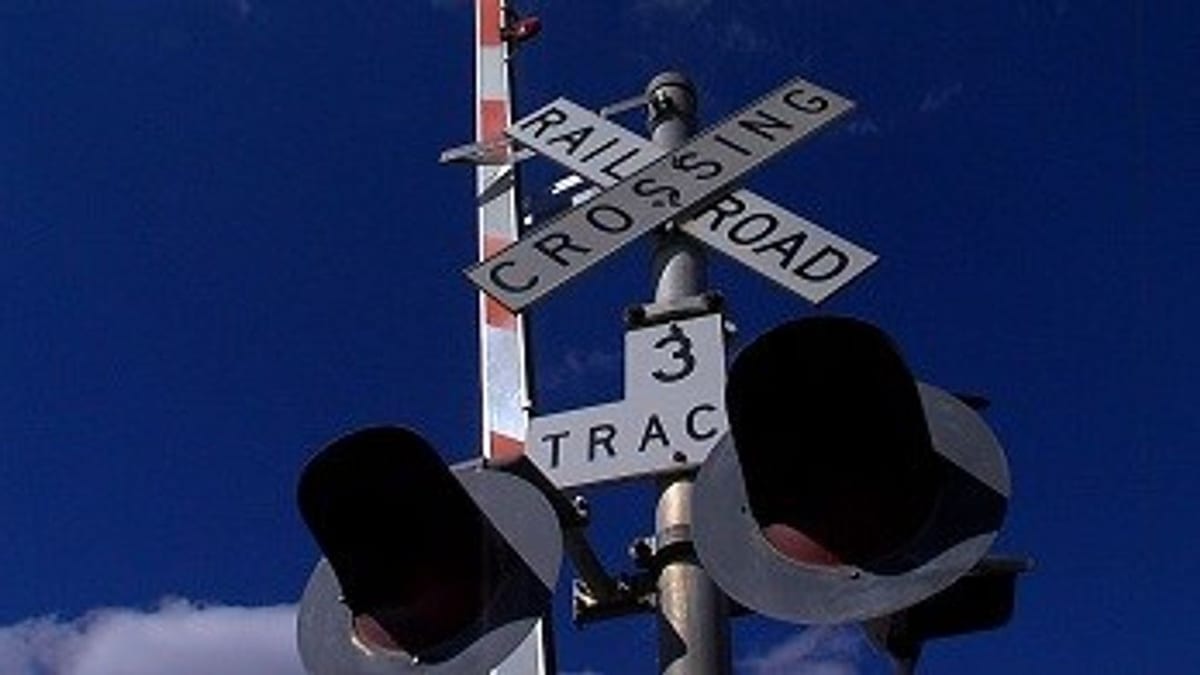
Early-morning collision along South First Street
According to published coverage and publicly available city information, the fatal collision occurred shortly after 2 a.m. on Saturday, June 27, 2026, in the 1900 block of South First Street near the Sayles Boulevard rail crossing. A Union Pacific train traveling through Abilene reported striking a person on the tracks, leading to an emergency response in the area.
City news releases indicate that the man was on the tracks when the train passed through the corridor. The impact halted rail traffic while first responders worked at the scene in a mixed commercial and residential stretch that sees regular freight movements.
The victim was pronounced dead at the location. Publicly released information identifies him as 49-year-old Johnny Burchfield of Abilene. Next-of-kin notification was completed before his name was shared in official summaries of the incident.
Local coverage characterizes the event as a fatal train-pedestrian collision rather than a highway-grade crossing crash involving a vehicle, underscoring how people on or near tracks remain at particular risk when long, heavy freight trains move through urban areas.
Ongoing investigation into circumstances on the tracks
City of Abilene Police Department information lists the case as an active death investigation. At this stage, public summaries focus on basic facts of time, place and identity, and no detailed account has yet been released explaining why the pedestrian was on the tracks in the early morning hours.
Rail incidents of this kind often require extended reconstruction work. Investigators typically review train data logs, camera footage from locomotives, and any available witness accounts, along with toxicology and medical findings, before drawing conclusions about contributing factors.
Publicly available reports do not indicate any damage or injuries on board the train itself, and there is no indication that other pedestrians or motorists were injured in the incident. The freight consist continued to be the focal point of the scene while investigators documented the area around the Sayles Boulevard crossover.
Published information notes that the case remains under review, and further updates about contributing circumstances, such as visibility, pedestrian movements, or possible impairment, may be issued as the investigation progresses.
Rail corridor near busy Abilene crossings
The collision took place along a well-used Union Pacific route that cuts through Abilene and intersects with several surface streets. The South First Street and Sayles Boulevard area is a familiar segment for local drivers and pedestrians, with rail lines running close to homes, small businesses and nearby arterial roads.
Rail corridors in mid-sized Texas cities such as Abilene often predate modern traffic patterns, and the close proximity of neighborhoods, schools and commercial areas to working freight lines can heighten safety concerns. Public mapping and transportation data show that trains along this route carry a mix of commodities, moving at varying speeds depending on signaling and traffic conditions.
In prior years, Abilene police reports and city news flashes have documented other serious incidents along rail and roadway networks, from vehicle crashes at intersections to earlier pedestrian fatalities involving trains. While each case is distinct, the pattern has kept rail and traffic safety on the radar for local planners and residents.
Community discussions frequently focus on how to balance the economic role of freight traffic with efforts to protect people who live, work or travel alongside the tracks, especially during overnight and early-morning hours when visibility is lower and streets are quieter.
Broader rail safety concerns in Texas communities
The fatal collision in Abilene adds to a broader picture of rail-related deaths and injuries across Texas and the wider region. Public safety organizations and transportation agencies regularly point to trespassing on tracks and risky behavior around crossings as leading contributors to serious incidents.
National safety campaigns emphasize that modern freight trains require significant distance to stop and that pedestrians on or near the rails may misjudge speed or assume they will be seen in time. In many communities, advocates encourage better lighting, clearer signage, and public education campaigns to reduce the likelihood of people walking along active tracks.
For drivers, standard guidance stresses never attempting to beat a train at a crossing and avoiding any stops on the rails themselves. For pedestrians, safety messaging urges staying off railroad property entirely, using designated crossings, and remaining alert to more than one train that may be using a corridor.
While the Abilene case remains under investigation, the circumstances reported so far align with recurring national concerns: individuals on foot in close proximity to fast-moving freight traffic and the severe consequences when contact occurs.
Community response and next steps
As news of the Abilene fatality has circulated through local media, the incident has prompted sympathy for the victim and questions about safety along South First Street and nearby crossings. Publicly available information shows that the corridor is used daily by residents commuting to work, accessing services, or traveling between neighborhoods on the city’s south side.
In the aftermath of similar incidents, communities sometimes review whether additional fencing, signage, education efforts, or infrastructure adjustments could reduce the chance of pedestrians ending up on the tracks. Any such changes typically involve a combination of city planning departments, rail operators and, in some cases, state or federal transportation partners.
For now, the Abilene Police Department continues to treat the death of Johnny Burchfield as an active case. Future public updates may provide greater clarity about how he came to be on the tracks in the predawn hours and whether any broader safety recommendations will emerge as a result.
Until more details are released, the collision stands as a stark reminder of the risks that working rail corridors can pose in communities where trains and everyday life run side by side.