


More news on this day
As Americans look ahead to 2026 beach getaways, recent U.S. State Department advisories for some of the Caribbean’s most popular islands are reshaping how travelers weigh sun, sand and safety.
Get the latest news straight to your inbox!
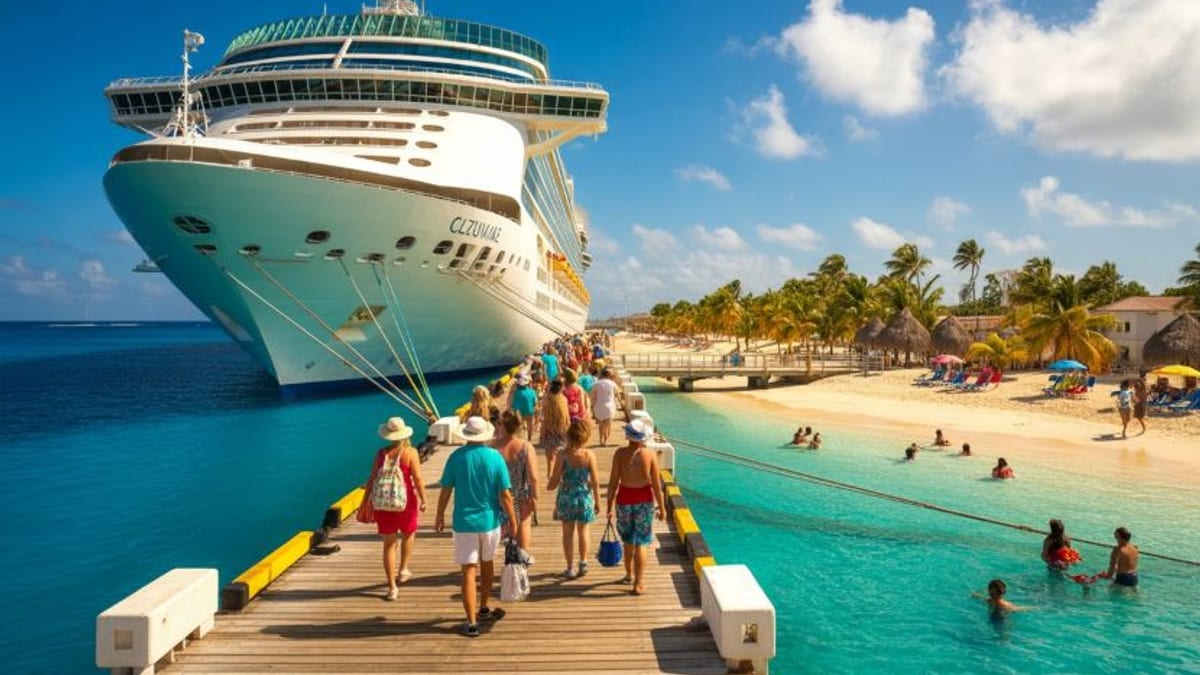
How the State Department Rates Caribbean Destinations
The U.S. State Department assigns each country a numerical advisory level from 1 to 4, ranging from “exercise normal precautions” to “do not travel.” Publicly available guidance explains that the ratings are based on factors such as crime, civil unrest, health risks and the government’s ability to assist U.S. citizens in an emergency.
Across the Caribbean, most destinations fall into Levels 1 and 2, indicating conditions broadly suitable for tourism with varying degrees of caution. However, a handful of high‑volume vacation spots now appear at the higher end of the scale, with advisories pointing to violent crime, localized restrictions on movement and specific activities that U.S. travelers are urged to avoid.
The system is updated periodically as security and health conditions change. The advisory list for mid‑2026 shows a mix of long‑standing cautions and newer notices, giving travelers an evolving snapshot of risk in places that remain central to the region’s tourism economy.
While the advisories are written for U.S. citizens, tour operators, cruise lines and regional tourism officials monitor them closely, since any shift in level can influence consumer confidence and booking patterns.
Jamaica: Popular Island Under Level 3 Warning
Jamaica, one of the Caribbean’s busiest resort destinations for U.S. visitors, remains under a Level 3 “reconsider travel” advisory, updated in late June 2026. The State Department’s country page cites crime, including incidents of violent crime, as the key driver behind the elevated warning.
Public information on the advisory notes that homicides and armed robberies continue to affect both urban neighborhoods and areas close to tourist corridors. It also points to limitations in local emergency services and law‑enforcement capacity, particularly outside major resort compounds and in some inland parishes.
The latest advisory outlines location‑specific restrictions for U.S. government personnel in parts of Kingston, Montego Bay and other parishes, and indicates that permission is required for travel into several high‑risk communities. Travelers are encouraged to take those same restrictions into account when planning off‑resort excursions, nighttime outings or overland trips across the island.
Despite the warning level, flights and cruise calls to Jamaica have continued, and resort bookings remain active. Travel industry coverage suggests that many visitors are choosing to stay within larger, security‑controlled properties or to book guided excursions through established operators, while monitoring local updates more closely than in previous years.
Bahamas: Level 2 Advisory Highlights Crime and Water‑Sport Risks
The Bahamas, another top choice for U.S. travelers, is currently listed at Level 2, “exercise increased caution,” in an advisory first issued in March 2025 and still in effect. The guidance points to crime as the primary concern, with particular emphasis on incidents in parts of New Providence Island, where Nassau and many cruise‑ship arrivals are concentrated.
Publicly available advisory text and separate embassy alerts highlight reports of armed robberies and assaults that have affected both residents and visitors in certain neighborhoods. Travelers are urged to be vigilant away from resort areas, especially at night and when moving on foot between entertainment districts, ports and accommodations.
The advisory also singles out water‑sport activities, warning about the safety and oversight of independently operated jet‑ski and personal watercraft rentals around New Providence and Paradise Island. U.S. government personnel face restrictions on using such services, and travelers are encouraged to reserve motorized water sports only through vetted providers or hotels, or to avoid them where safety practices appear inconsistent.
Tourism coverage indicates that many visitors continue to enjoy beach and cruise holidays across the archipelago, particularly on out islands with lower crime rates. However, the advisory serves as a reminder to factor in travel insurance, to review hotel security measures and to treat shore excursions and independent tours as decisions that carry varying levels of risk.
Dominican Republic: Caution Around Transport and Urban Areas
The Dominican Republic, home to major resort hubs such as Punta Cana and Puerto Plata, is also under a Level 2 advisory. The State Department’s notice, last comprehensively updated in 2025, cites crime and road safety among its main concerns and provides targeted guidance on how visitors move around the country.
The advisory underscores that petty theft and opportunistic crime can occur in crowded areas, including public beaches, markets and transportation hubs. Travelers are encouraged to secure valuables, avoid displaying expensive jewelry or electronics and use registered taxis or pre‑arranged transfers from airports and hotels.
One recurring detail in the advisory is a prohibition on U.S. government employees using motorcycle taxis, reflecting concerns about road safety standards and accident rates. While motorcycle taxis remain common and inexpensive for locals, visitors are steered toward more formal transportation options, particularly at night or on intercity routes.
Travel industry reports note that resort zones on the country’s eastern and northern coasts continue to host large numbers of international tourists. For many U.S. visitors, the main practical impact of the advisory is a stronger emphasis on staying within resort areas after dark, choosing reputable transport providers and checking local news before planning day trips into major cities.
What Travelers Can Do With the New Warnings
For Americans planning Caribbean vacations in late 2026 and early 2027, the latest advisories are shaping a more nuanced view of risk across the region. Rather than avoiding entire countries outright, many travelers appear to be adjusting itineraries within them, favoring well‑known resort corridors, reconsidering nightlife plans and paying closer attention to how they book excursions.
Public guidance from the State Department and U.S. government travel portals stresses the importance of enrolling in alert systems, reviewing country‑specific advisory pages before departure and again shortly before travel, and understanding what support U.S. embassies and consulates can and cannot provide during an emergency.
Consumer travel coverage also points to practical steps that can help mitigate risk, including purchasing comprehensive travel insurance, sharing itineraries with family at home, and researching neighborhood‑level conditions rather than relying solely on national‑level ratings. Some experts note that experiences can vary significantly between urban centers and remote beach areas within the same island.
As airlines expand winter schedules and cruise lines market new Caribbean itineraries, travelers are likely to see advisory language referenced more frequently in booking terms and pre‑departure emails. For U.S. vacationers, the message for 2026 is not that the Caribbean is off limits, but that understanding official warnings has become a core part of planning a trip alongside checking weather forecasts and comparing room rates.