


More news on this day
A growing body of research and passenger feedback is reshaping the long running window versus aisle debate, with new air travel warnings highlighting how window seats can quietly undermine comfort on crowded and long haul flights.
Get the latest news straight to your inbox!
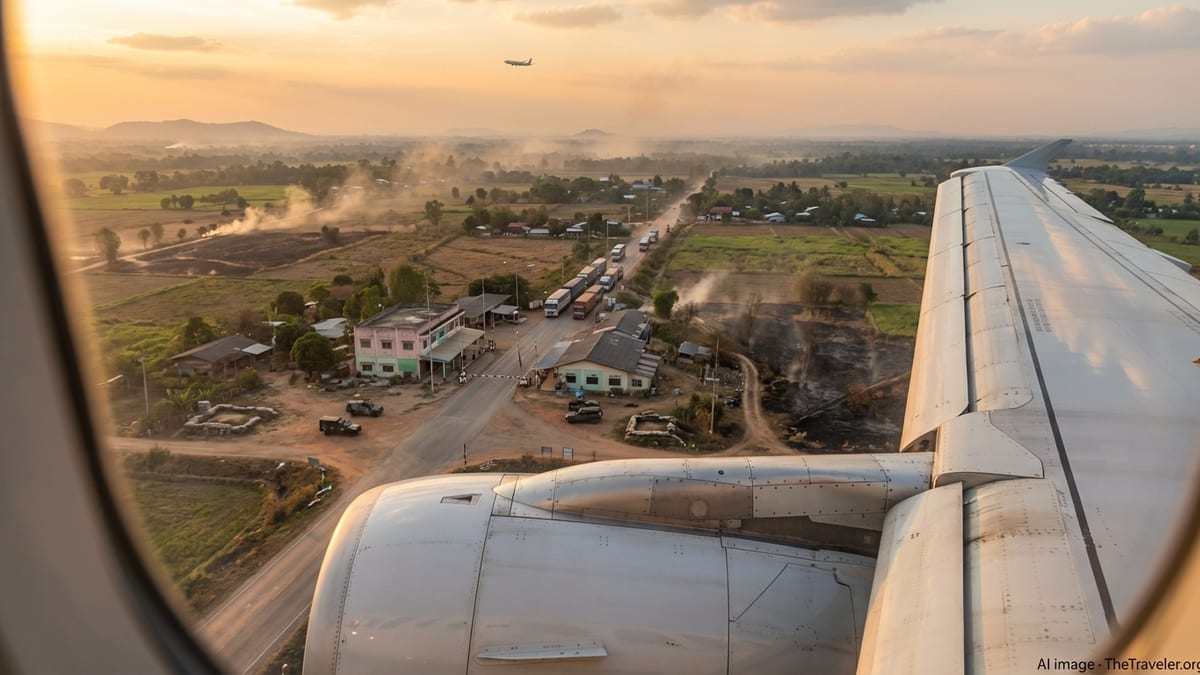
Window Seats Lose Ground As Comfort Data Shifts
Recent surveys suggest most travelers still instinctively favor the view and perceived privacy of the window, yet comfort research is beginning to tell a more complex story. A 2024 consumer survey cited in travel industry coverage found nearly two thirds of passengers prefer the window, but aviation ergonomics studies indicate that limited mobility and awkward posture can significantly increase discomfort over time, especially on flights longer than six hours.
Academic work on in flight comfort has repeatedly shown that immobility and constrained postures are key drivers of pain in the back, neck and lower limbs during medium and long haul journeys. Simulated cabin studies report that discomfort rises steadily when passengers cannot change position easily or leave their seat without negotiating obstacles. In typical economy configurations, that challenge is greatest for those seated against the fuselage.
As airlines refine cabin layouts to balance density and passenger experience, researchers are also focusing on how seat location interacts with personal space. Recent ergonomics analysis of seat width, pitch and load factor suggests that the perception of “spatial sufficiency” is strongly tied not only to dimensions but also to the ease of entering and exiting the row. For passengers in window seats, that perception often deteriorates as cabins fill and movement becomes more complicated.
The emerging message from this research is that the classic allure of the window view may obscure a series of comfort trade offs that matter more on today’s fuller, longer flights. For many travelers, convenience and freedom of movement are beginning to outweigh scenery.
Limited Freedom And Restricted Movement Raise Health Concerns
Window seats place passengers one person further from the aisle, which can sharply limit spontaneous movement. Studies of posture and activity in simulated cabins find that passengers already sit for extended periods with minimal walking, heightening the risk of stiffness, numbness and, in some cases, circulation problems. When getting up requires coordinating with at least one or two strangers, many travelers simply move less.
Medical advisories on long haul flying consistently recommend regular walking, calf exercises and position changes to reduce the risk of deep vein thrombosis and general musculoskeletal discomfort. Yet behavioral data indicate that passengers in non aisle seats are less likely to follow those recommendations, particularly overnight when seat mates are sleeping. For window seat occupants, concern about disturbing others often becomes a barrier to essential movement.
Restricted movement also interacts with seat design. Research into aircraft seat dimensions notes that even when pitch and width remain constant, discomfort increases when passengers feel “trapped” or worry that standing up will be difficult. This psychological element can encourage people to remain seated longer than is ideal, reinforcing sedentary behavior across multi hour segments.
These patterns have prompted some travel health guidance to subtly favor aisle positions for those with circulation issues or a strong need to stretch. While not presented as a formal rule, the implication is that the window seat’s lack of easy access to the aisle can work against basic in flight wellness advice.
Delayed Exit Access And Evolving Safety Messaging
Comfort and safety are increasingly discussed together in public aviation guidance, and seat position has become part of that conversation. Safety agencies in North America and Europe stress that cabins are designed so all passengers can reach an exit within required evacuation times. However, evacuation research and regulatory filings acknowledge that seat spacing, aisle access and passenger behavior can influence how quickly people actually move during an emergency.
Documents summarizing evacuation tests indicate that passengers in aisle seats are typically able to stand and move first, while those in window and middle seats must wait for others to clear the row. In real events, this dynamic can generate bottlenecks as people retrieve belongings or hesitate in narrow spaces. Window passengers are particularly dependent on the decisions and mobility of their neighbors before they can begin to move toward an exit.
Regulatory guidance around exit rows underscores the importance of unimpeded access to aisles and doors, with restrictions on who may occupy seats adjacent to critical exits. While these policies are framed in safety rather than comfort terms, they highlight a broader principle now echoed in consumer travel reporting: the more direct the route to the aisle, the smoother both routine deplaning and emergency egress are likely to be.
As high profile incidents keep evacuation procedures in the spotlight, travelers are increasingly weighing how quickly they can reach an exit when choosing seats. For some, this consideration is tipping the balance away from windows and toward aisle positions closer to the front of the cabin.
Long Haul Flight Challenges Reshape Passenger Priorities
Ultra long haul services have expanded in recent years, with nonstops exceeding 15 hours now a regular feature on some international routes. Research into passenger comfort on these flights shows that discomfort grows nonlinearly with time, with a marked increase in complaints related to legroom, seat pressure points and the inability to sleep or change position adequately.
Ergonomics studies suggest that as flight duration increases, the relative importance of seat location shifts. On shorter sectors many passengers still prioritize the view, while on overnight or very long segments they report placing greater value on undisturbed sleep, quick bathroom access and the freedom to stand up without negotiation. Survey responses collected on long sectors show higher satisfaction scores among aisle passengers, particularly those in premium cabins with direct aisle access from every seat.
Industry analysis of cabin layouts notes that newer business and premium economy designs increasingly eliminate the traditional window middle aisle configuration, instead offering staggered or herringbone patterns that give each passenger direct aisle access. This trend reflects a broader recognition that for long duration travel, forced dependency on seat mates to move in and out is incompatible with premium comfort expectations.
In economy cabins, where layouts are slower to change, the same principles are starting to influence booking behavior. Travel search data and airline ancillary revenue reports indicate robust demand for paid seat selection, with many passengers willing to pay extra for aisle positions on long haul routes. Window seats still sell, but the price premium and fastest uptake often attach to seats that combine legroom with unobstructed aisle access.
From Favorite View To Compromise Choice
For decades the window seat has been marketed as the aspirational choice, associated with scenic takeoffs, social media photos and a sense of privacy away from the aisle. Yet as cabins become denser and flights grow longer, that romance is increasingly tempered by practical concerns about mobility, health and time.
Published coverage of traveler behavior shows a gradual but noticeable shift in preferences as frequent flyers age or accumulate more long haul experience. Many report transitioning from window loyalty to a flexible approach, choosing windows on short daytime hops but favoring aisle positions for overnight or multi segment itineraries. This pattern aligns with academic findings that comfort priorities evolve with flight length, age and physical condition.
The latest wave of air travel warnings and comfort focused research does not portray window seats as inherently unsafe. Instead, it reframes them as a trade off that may carry hidden costs for freedom of movement, exit access and long duration comfort. For passengers who value stretching, quick deplaning or managing health conditions, that trade off is becoming harder to justify.
As airlines continue to refine seat maps and monetize choice, the quiet shift away from automatic window preference could reshape how cabins are sold. What was once the most coveted spot on the plane may increasingly be seen as a compromise, chosen for the view but accepted with a clearer understanding of its limits on comfort.