


More news on this day
More than 100 passengers booked on a Dubai-bound SpiceJet service from India reportedly endured an overnight wait of nearly nine hours this week, after a prolonged delay left families, business travellers and overseas workers stranded in the terminal with limited information about their revised departure.
Get the latest news straight to your inbox!
Long Overnight Wait for Dubai-Bound Travellers
According to local media coverage and social media accounts, the affected SpiceJet service was scheduled to depart from an Indian metro airport for Dubai late in the evening but did not leave until the early hours of the following day. Travellers described a rolling series of revised departure times that gradually turned a routine international sector into an all-night wait at the gate.
Reports indicate that more than 100 passengers were booked on the flight, including children and elderly travellers heading to the United Arab Emirates for work, medical appointments and onward connections. Many said they had already undertaken long surface journeys to reach the airport, only to be informed after check in that the departure time had been pushed back.
Publicly available information suggests that the delay eventually approached nine hours from the original scheduled departure. While the flight was ultimately operated, the extended wait has added to a growing list of recent complaints from SpiceJet customers about significant schedule disruptions on both domestic and international routes.
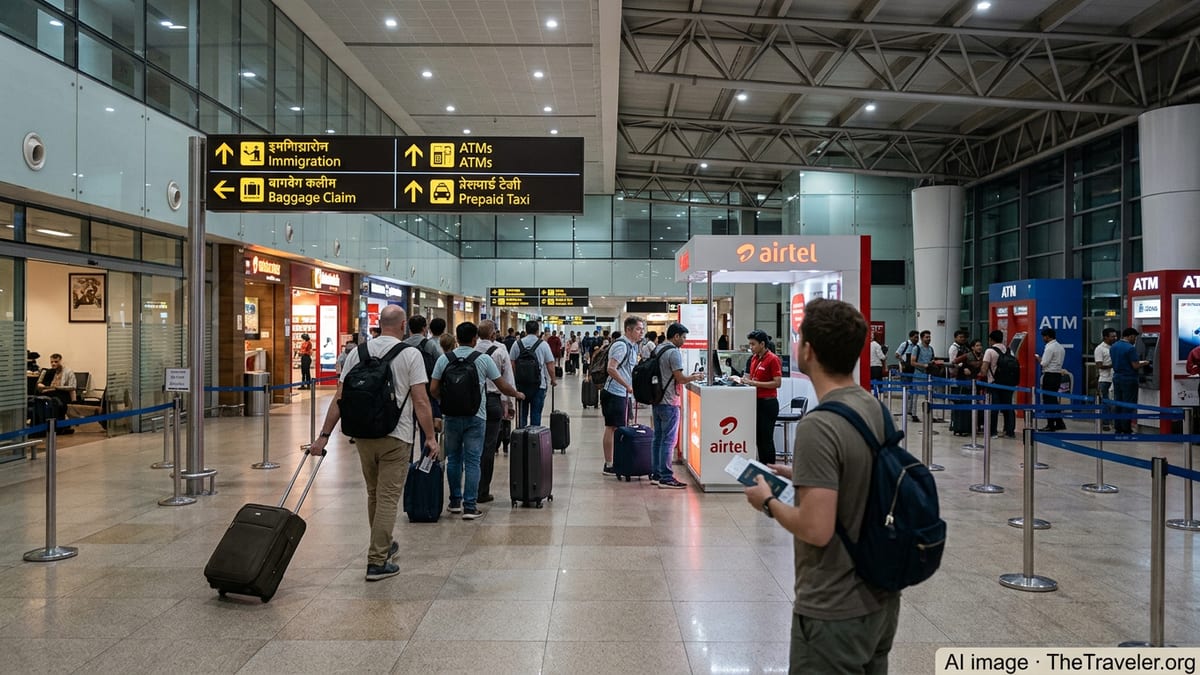
Some accounts shared online describe crowded seating areas and limited real-time communication on the ground as the delay unfolded. Travellers said they relied heavily on airline app updates, airport displays and informal word of mouth at the gate to understand whether boarding was imminent or further postponed.
Questions Over Passenger Support and Communication
Indian aviation regulations require airlines to provide meals, refreshments and, in some cases, hotel accommodation when delays cross certain thresholds. Civil Aviation Requirements issued by the Directorate General of Civil Aviation set out compensation rules and support obligations tied to the length of delay and the cause of disruption.
In this latest Dubai-bound case, passenger narratives circulating on social platforms suggest that food and refreshment arrangements were uneven across the long waiting period. Some travellers reported receiving limited vouchers or bottled water, while others claimed they purchased their own meals as the hours passed.
Communication at the gate has emerged as a key point of frustration. Several accounts describe sparse public announcements and a lack of clear explanations about the operational reasons behind the extended delay. Instead, many passengers reported learning of new departure estimates via push notifications or updated screen times that periodically moved later into the night.
For travellers with early-morning reporting times in Dubai, pre-booked accommodation or onward connections on separate tickets, the uncertainty around the final departure time reportedly complicated rebooking and coordination plans. Travel agents and corporate travel departments were left to work with partial information while passengers remained airside.
SpiceJet Under Intensifying Operational Scrutiny
The nine-hour disruption comes at a moment of heightened attention on SpiceJet’s operations and schedule reliability. Industry commentary and recent consumer coverage in India have pointed to a series of delays, last-minute cancellations and technical snags affecting the carrier’s reduced fleet.
SpiceJet has publicly acknowledged capacity constraints in recent months, citing aircraft availability challenges and ongoing efforts to stabilize operations. Financial disclosures and market analyses have highlighted a leaner fleet compared with pre-pandemic levels, as well as continued restructuring efforts aimed at improving the airline’s balance sheet.
Recent passenger reports across domestic routes describe multi-hour delays, late-night departures and, in some cases, aircraft changes after boarding when technical inspections identified issues requiring attention. While such checks are a routine part of aviation safety, the cumulative effect on schedule reliability has generated widespread criticism on Indian aviation forums and social media channels.
The latest Dubai-bound delay adds an international dimension to these concerns, affecting not only India-based travellers but also residents and workers in the United Arab Emirates who rely on late-evening departures to maximize rest time before workdays or to align with connecting services in Dubai.
Regulatory Framework and Passenger Rights in India
The incident has again drawn attention to India’s passenger rights framework and how it is implemented in practice. The DGCA’s Civil Aviation Requirements specify that when delays are attributable to the airline and cross set thresholds, carriers must provide meals, hotel accommodation or monetary compensation, depending on the length of disruption and the distance of the route.
Consumer advocates in India frequently urge travellers to retain boarding passes, receipts and written communications from airlines in the event of a significant delay, as these documents can be important when seeking refunds or compensation. In recent years, online complaint platforms and social media have also become informal channels for passengers to document experiences and seek redress.
Publicly available case histories show that regulators have, on occasion, issued advisories and penalties to Indian carriers for repeated operational disruptions and failure to communicate adequately with passengers. However, industry observers note that enforcement can vary and that many passengers remain unaware of their rights when faced with long delays or cancellations.
In the Dubai-bound SpiceJet case, travel rights specialists say the length of the disruption falls into a category where, if the cause is within the carrier’s control, passengers may be eligible for support beyond basic refreshments. Determining eligibility typically depends on official records of the reason for the delay and whether any mitigating factors, such as severe weather or air traffic control restrictions, played a role.
Growing Pressure on India–Gulf Low-Cost Market
India to Gulf routes, including services to Dubai, are among the busiest international corridors for Indian carriers, driven by strong demand from migrant workers, small business travellers and visiting families. Seats on budget airlines are particularly sought after, given the price sensitivity in this segment and the frequency of travel between Indian tier-two cities and Gulf hubs.
The nine-hour delay affecting more than 100 Dubai-bound passengers illustrates the vulnerability of this market segment to operational disruptions. For many travellers, a single missed shift, lost hotel night or rescheduled appointment in Dubai can carry significant financial and personal consequences.
Competing carriers on India–Dubai routes have stepped up capacity and marketing in recent years, positioning themselves on on-time performance, network breadth and product consistency. Aviation analysts say that repeated high-profile delays and negative publicity for any one airline can shift demand toward rivals, especially among corporate travel buyers and frequent flyers who prioritize reliability.
As SpiceJet works through its ongoing operational challenges, travel industry observers expect closer scrutiny from both regulators and consumers on how the airline manages delays, communicates with passengers and fulfills its obligations during disruptions. For the passengers who spent nearly nine hours waiting for their Dubai flight to finally depart, the experience has become another cautionary example in an already crowded landscape of airline delay stories in India.