


More news on this day
Typhoon Dolphin is causing major disruption to air travel and tourism in East Asia, with Japan’s southern islands and China’s eastern seaboard reporting extensive flight cancellations, mass evacuations and lingering operational delays at the height of the summer holiday season.
Get the latest news straight to your inbox!
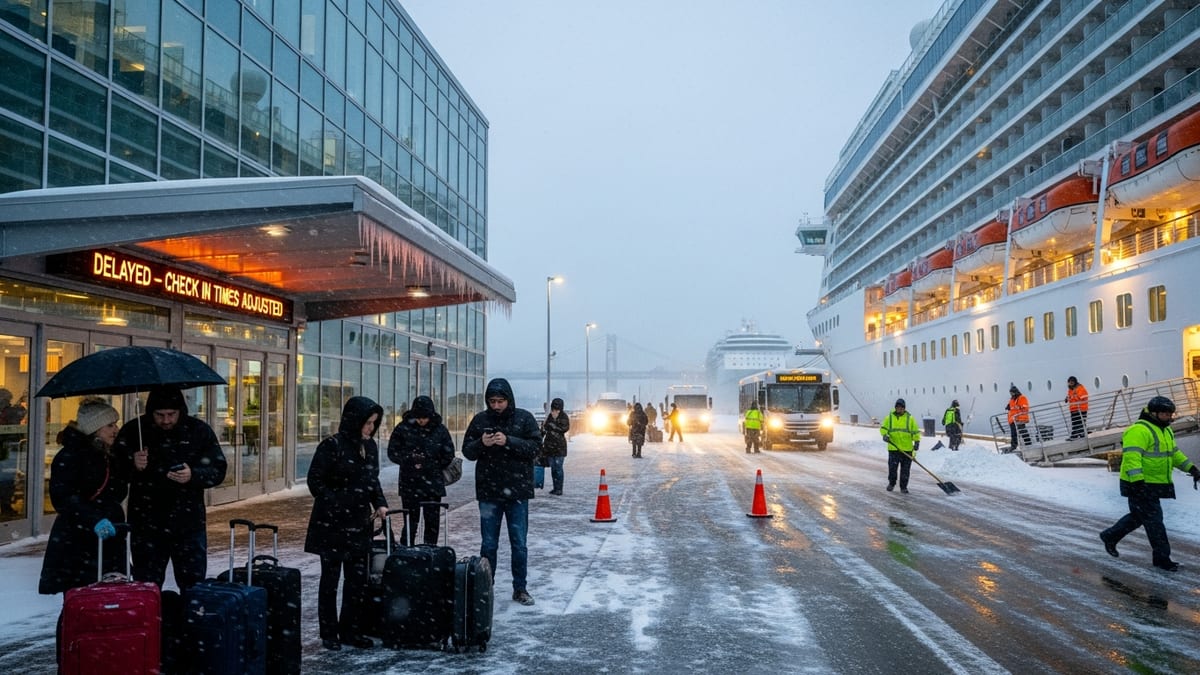
Okinawa Airports Hit as Typhoon Tracks Near Japan
After intensifying over the western Pacific, Typhoon Dolphin passed near Japan’s southern islands, bringing violent winds, heavy rain and high seas to Okinawa and surrounding areas. Publicly available meteorological data show the storm reached violent typhoon strength before gradually weakening as it moved northwest toward the East China Sea. Forecast tracks shared by regional weather agencies indicated a close approach to Okinawa, prompting airlines and local authorities to move quickly ahead of the worst conditions.
Passenger reports and airline advisories indicate that flights to and from Naha, the main gateway to Okinawa, were among the first to be disrupted. Travelers described widespread cancellations on key domestic routes linking Okinawa with Tokyo and Nagoya, as well as suspensions on some services to other Japanese islands. Anecdotal accounts on travel forums suggested that some visitors chose to abandon trips entirely or reroute to Kyushu and mainland Japan to avoid being stranded by the storm.
Local guidance shared by Okinawa’s prefectural government ahead of Typhoon Dolphin highlighted the risk of power outages, water shortages and logistics disruptions even after the strongest winds passed. Visitors were urged to consult hotels and travel agents about extending stays or adjusting flights, and to stock up on essential supplies. That message appears to have resonated with many tourists, who reported altering their itineraries or sheltering in place rather than attempting to travel during the peak of the storm.
While Okinawa is accustomed to powerful typhoons, Dolphin’s timing during the busy Obon travel period amplified the impact. Seasonal demand had already pushed flights and hotels close to capacity, leaving limited flexibility for rebooking. As a result, some travelers reported difficulty securing alternative seats out of the islands once operations began to resume.
Mass Evacuations and Airport Chaos in Eastern China
The same storm system that brushed southern Japan later made landfall along China’s eastern coast, where it continued to drive extensive aviation and transport disruption. Published coverage from Chinese and international outlets indicates that authorities ordered large-scale relocations from low-lying and coastal zones in Zhejiang and Fujian provinces, as well as parts of the Shanghai metropolitan area. Evacuation figures extended into the hundreds of thousands before landfall, with some reports citing more than a million people moved out of high-risk districts.
Air travel was hit particularly hard around Shanghai, one of Asia’s busiest aviation hubs. Data released by airport operators and summarized in news reports show that Shanghai’s Hongqiao and Pudong airports canceled more than 1,300 flights as Dolphin neared the coast, with further cancellations exceeding 900 flights the following day as heavy rain and flooding continued. That level of disruption represented a significant share of scheduled operations and produced long backlogs for rebooking.
Rail and metro services in eastern China also faced interruptions as the storm swept inland. Publicly available information from state media described suspensions of dozens of train services, partial closures on several Shanghai metro lines and the shutdown of popular tourist attractions in Zhejiang’s coastal cities. Videos and images circulated on social media platforms showed flooded streets, downed trees and waterlogged terminal buildings, underscoring the scale of the weather-related chaos.
As conditions gradually improved, China’s meteorological authorities reported that Dolphin weakened to a tropical storm while moving northwest over land. Even in its reduced state, however, the system continued to generate intense rainfall bands, prolonging flood risks and complicating efforts to restore full transport capacity across the region.
Regional Impact on Airlines and Summer Travel
Across Japan, China and neighboring territories, Typhoon Dolphin arrived during one of the busiest travel periods of the year, magnifying the fallout from each cancellation and delay. In Japan, the storm followed or coincided with other severe weather systems that had already disrupted railway timetables and domestic flights, particularly around Tokyo and the Pacific coast. According to publicly available airline schedules and news summaries, carriers operating out of Haneda and other major hubs preemptively grounded dozens of services on days when conditions were expected to deteriorate.
Internationally, several Asian and long-haul airlines adjusted routes and departure times for flights crossing the western Pacific. Flight-tracking data cited in media coverage showed aircraft detouring hundreds of kilometers to skirt Dolphin’s core, increasing flight times and fuel consumption. While many long-haul services continued to operate, the cumulative effect of diversions, rolling crew delays and slot constraints at key airports contributed to knock-on disruption far beyond the immediate impact zone.
Package tours and independent itineraries built around Okinawa’s beaches and China’s coastal attractions were particularly vulnerable. Reports from travelers on social platforms described last-minute hotel cancellations, missed cruise departures and scrapped island-hopping plans. Some visitors arriving in Shanghai just after the storm’s passage found certain waterfront areas, parks and cultural sites either closed for safety inspections or operating with limited access while cleanup work continued.
Tourism analysts noted in public commentary that typhoon-related travel shocks are becoming a recurrent feature of late-summer travel in East Asia. While infrastructure in Japan and China is generally designed to cope with severe storms, the combination of rising visitor numbers and more frequent extreme weather events is increasing the likelihood of multi-day disruptions like those seen with Dolphin.
Safety Guidance and Preparation for Future Storms
The experience of Typhoon Dolphin has renewed attention on how both residents and visitors can better prepare for intense tropical systems in the region. Disaster-preparedness materials issued by Okinawa’s local governments and U.S. military installations on the islands emphasize the importance of early planning, including identifying evacuation shelters, maintaining emergency kits and monitoring official alerts in multiple languages. Similar guidance in coastal China prioritizes timely evacuation from high-risk zones and the safeguarding of critical infrastructure before landfall.
Travel experts commenting in media and online forums are encouraging visitors to build more flexibility into itineraries during peak typhoon season. Recommendations include booking changeable airfares where possible, allowing buffer days between key connections and considering travel insurance policies that explicitly cover weather-related cancellations. In the case of Dolphin, travelers who had room to adjust plans often reported smoother outcomes than those locked into fixed departure dates or nonrefundable tickets.
Airlines and airports in Japan and China are also likely to review their operational playbooks after the storm. Public reports from previous typhoon seasons show a trend toward earlier preemptive cancellations to avoid large numbers of passengers stranded in terminals when conditions rapidly deteriorate. For Dolphin, many carriers canceled flights the day before the worst weather, a strategy that reduced safety risks but also compressed rebooking demand into a narrow window once operations restarted.
For now, as Dolphin continues to dissipate and transport networks gradually return to normal, attention is turning to the remainder of the western Pacific typhoon season. Forecast agencies are monitoring additional systems forming over warm ocean waters, a reminder that travelers heading to Okinawa, Shanghai and other coastal destinations in the coming weeks may need to keep a close watch on the next storm on the horizon.