


More news on this day
Air travel across southern Japan and eastern China is facing days of disruption as Typhoon Dolphin sweeps past Okinawa and slams into China’s east coast, prompting widespread flight cancellations, large-scale evacuations and warnings of flooding and landslides along one of Asia’s busiest summer travel corridors.
Get the latest news straight to your inbox!
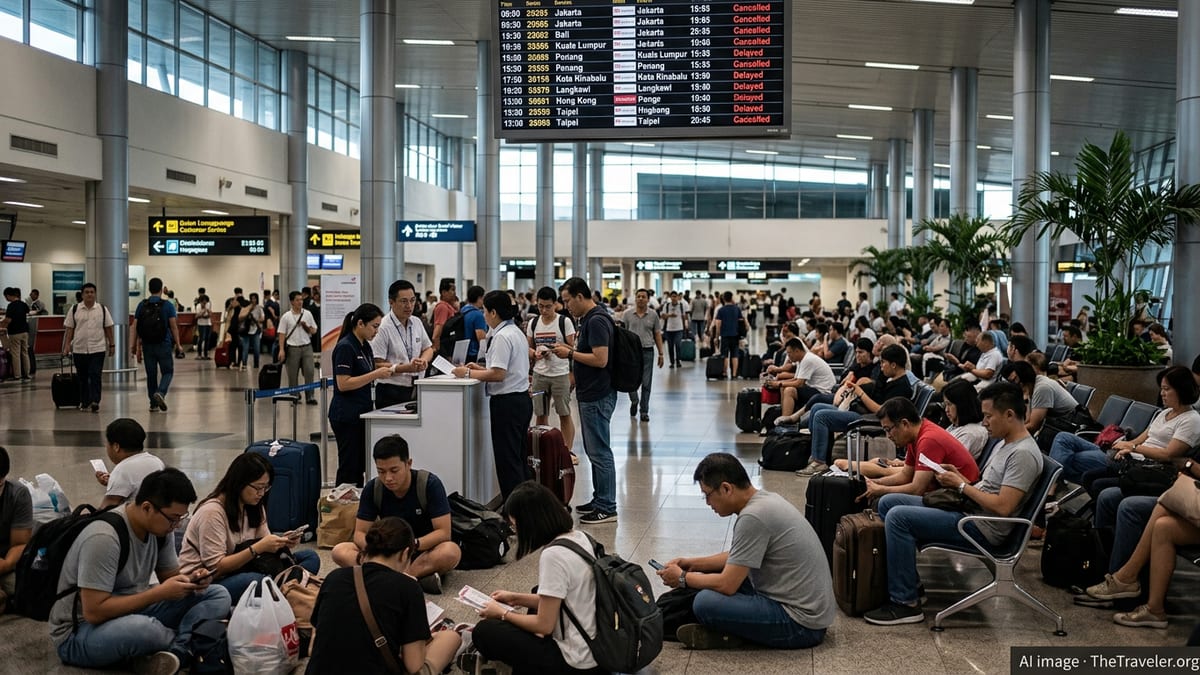
Storm Tracks Past Okinawa Before Hitting China’s East Coast
Typhoon Dolphin intensified over the western Pacific before curving toward Japan’s Ryukyu Islands, bringing strong winds and heavy rain to Okinawa and surrounding islands as it passed to the south and west. Meteorological updates cited in regional coverage indicate the system reached Category 2 strength while crossing the broader Okinawa region, disrupting local transport and prompting residents and visitors to seek shelter.
Travel forums and local advisories show that ferries and some domestic flights into Okinawa were suspended as the storm approached, effectively isolating the islands for parts of the first week of August. Travelers reported canceled holiday plans, early departures and concerns about being stranded as airlines began trimming schedules into Naha, the main gateway to Okinawa.
After passing the Ryukyus, Dolphin moved on toward the East China Sea and made landfall along China’s eastern seaboard. Publicly available meteorological bulletins describe the storm sustaining typhoon strength at landfall, with damaging winds, storm surge and intense rainfall affecting coastal areas.
The broader system has affected a wide swath of the western Pacific, with earlier reports from the Philippines citing deadly flooding and landslides associated with long-lasting monsoon rains enhanced by Dolphin before it turned toward Japan and China.
Major Flight Cancellations Across Japan and China
The aviation impact of Typhoon Dolphin has grown steadily as the storm advanced. In Japan, airlines began canceling services to and from Okinawa and other southern airports during the storm’s closest approach, with passengers reporting that carriers such as ANA started suspending flights for several days around August 6 to 8. Domestic routes connecting Okinawa with major hubs like Tokyo and Osaka saw significant disruption, with many travelers unable to rebook immediately due to high seasonal demand.
In China, the scale of the disruption has been larger still. According to published reporting, Shanghai’s two main airports canceled more than 1,300 flights on the day Dolphin came ashore, followed by at least 900 additional cancellations as the system weakened but continued to drop heavy rain over eastern provinces. The combined tally meant that roughly 40 percent of scheduled flights at the city’s airports were grounded at one point as operators reduced operations to protect passengers and aircraft.
China’s high-speed rail network also experienced adjustments, with regional coverage noting that more than 100 train services were suspended as flooding and landslide risks increased. The cascading impact on ground transport complicated onward journeys for air passengers who had been relying on rail links to reach inland cities or alternative airports.
Internationally, travel waivers from major airlines have been reported for itineraries touching affected airports, allowing some passengers to change dates without standard penalties. However, individual experiences shared online suggest that policies and flexibility have varied by carrier, leaving some travelers facing partial fare losses or lengthy waits to reach customer-service channels.
Mass Relocations and Local Evacuation Efforts
The human impact of Dolphin has been most visible in the scale of precautionary relocations along the Chinese coast. Coverage from national and international outlets indicates that more than 300,000 people were moved from vulnerable areas in advance of landfall, as authorities sought to reduce casualties from potential storm surge, flash flooding and landslides.
Coastal provinces such as Zhejiang and Fujian, which sit directly in Dolphin’s path, shut schools, suspended water-based tourism activities and ordered many fishing vessels back to port. Tourist attractions in some seaside cities were closed over the key weekend period, altering holiday plans for domestic visitors and removing an important source of local revenue at the height of summer.
In Okinawa, prefectural advisories circulated ahead of the storm urged both residents and visitors to secure housing, avoid coastal areas and consider adjustments to travel dates. Public information campaigns highlighted the risk of extended power cuts, water shortages and disrupted logistics even after the strongest winds passed, emphasizing that hazards could continue for days.
Reports from affected communities in Japan and China describe localized flooding, damage to crops and infrastructure, and scattered power outages. While many services have resumed as the storm weakened, cleanup operations are expected to continue, particularly in low-lying districts and rural areas where drainage and access routes are more limited.
Peak Holiday Travel Plans Thrown Into Uncertainty
Dolphin’s timing has been especially difficult for travelers because it coincides with major holiday periods in both Japan and China. In Japan, the “bon” holiday week is one of the busiest domestic travel windows of the year, with millions visiting family or taking short breaks. Recent coverage of related weather systems already highlighted crowding and tight capacity; the additional disruption from Typhoon Dolphin has intensified competition for remaining seats and hotel rooms.
Travelers heading to and from Okinawa, a popular beach destination during August, appear to have been particularly affected. Online travel communities are filled with accounts of last-minute trip cancellations, extended island stays caused by ferry and flight suspensions, and uncertainty over insurance coverage when official advisories change rapidly. Some visitors reported canceling Okinawa stays altogether and rerouting holidays to mainland destinations once it became clear that the storm would linger near the islands.
In China, Dolphin’s landfall overlapped with a busy domestic tourism season, especially in coastal cities that market seaside escapes from inland heat. Flight cancellations in Shanghai and other eastern hubs disrupted itineraries for travelers connecting to international long-haul services, with some passengers facing unexpected overnight stays or multi-day delays while they waited for seats on rescheduled flights.
Industry observers note that while airlines and rail operators have increased their use of waivers and flexible rebooking options compared with past storm seasons, capacity constraints and operational limits mean that many travelers still experience significant inconvenience during major weather events of this scale.
What Travelers Can Expect in the Coming Days
Forecasters indicate that Dolphin is weakening as it tracks inland over eastern China, but residual bands of heavy rain and gusty winds are likely to persist across parts of the region. For Japan, the primary direct impact from Dolphin has already passed, though saturated ground and lingering high seas may keep some coastal facilities and smaller transport links operating on reduced schedules.
Aviation analysts caution that flight operations typically take time to normalize after a large storm, even once conditions appear safe. Aircraft and crews may be out of position, airport backlogs must be cleared and maintenance checks completed. As a result, passengers traveling through affected hubs in Japan and China over the next several days may still encounter delays, rolling schedule changes or last-minute cancellations.
Travel guidance circulating through airlines, airports and local tourism boards encourages passengers to verify flight status frequently, maintain flexible plans and allow extra transit time when connecting through major hubs like Shanghai, Tokyo or Osaka. Travelers already in Okinawa or along China’s east coast are advised to monitor local weather and transport updates closely, given the possibility of localized disruptions from flooding or infrastructure damage.
With the western Pacific typhoon season far from over, the experience of Typhoon Dolphin underscores the exposure of popular Asian travel routes to severe weather. Publicly available assessments suggest that both Japan and China continue to refine early-warning systems, evacuation protocols and transport contingency plans, but the events of recent days show that even well-prepared regions can face substantial challenges when a long-lived, wide-ranging storm moves directly through key air and sea corridors.