


More news on this day
A North Wales steam railway has introduced enhanced fire safety measures on its heritage services in response to recurring heatwaves and an elevated risk of lineside wildfires in the region.
Get the latest news straight to your inbox!
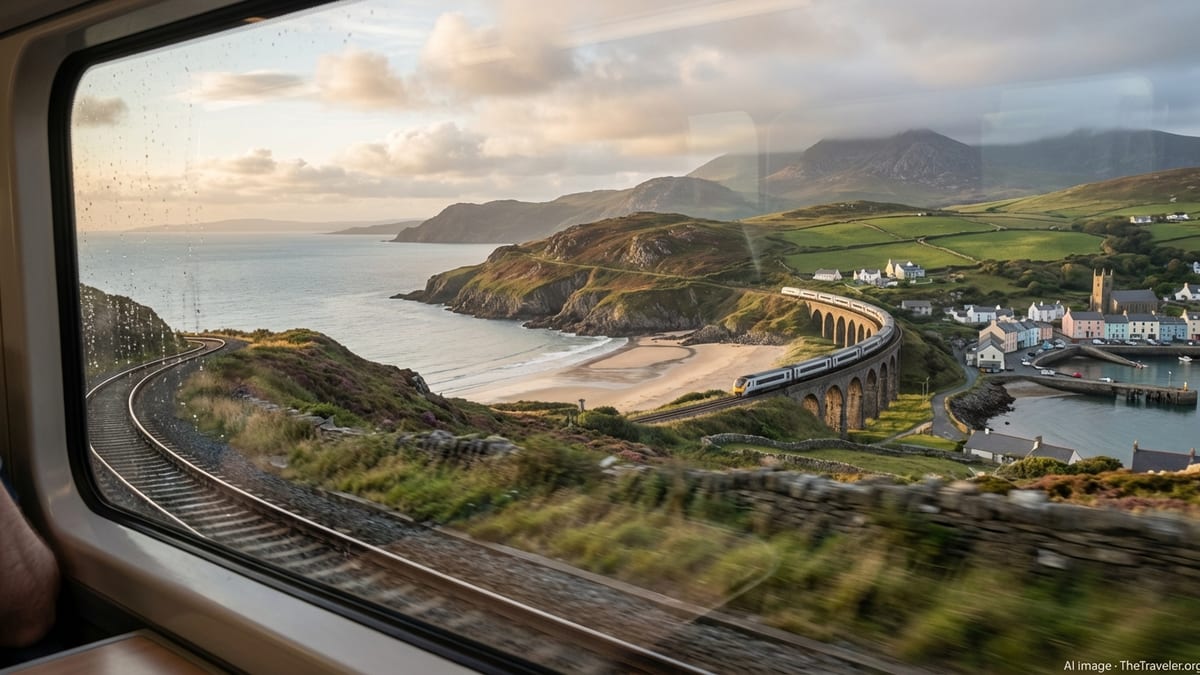
Heritage steam continues under tighter precautions
Publicly available information from Llangollen Railway indicates that the heritage line in the Dee Valley is pressing ahead with steam-hauled services while tightening its approach to fire prevention during the current spell of hot, dry weather. The move contrasts with restrictions applied to some mainline steam charters elsewhere in Britain, which have faced curbs because of heightened wildfire concerns.
The railway, a popular visitor attraction running along the River Dee in North Wales, has confirmed that its weekend programme will continue to feature traditional steam locomotives. This includes special trains such as its “Ales from Wales” service, which pairs scenic journeys with local real ales. The updated measures are intended to ensure those services can operate while reducing the chance of sparks or cinders igniting vegetation along the route.
The decision comes at a time when many rural parts of North Wales are experiencing significantly elevated fire danger, with dry embankments, heather moorland and forestry all vulnerable to fast-spreading blazes. The balance between preserving an important tourism draw and managing environmental risk is becoming a central challenge for heritage operators across the region.
Reports indicate that the railway’s approach has been designed to meet current risk conditions without resorting to a full suspension of steam, which can have major financial implications for volunteer-led and community-based heritage lines.
Enhanced safety measures target embankments and vegetation
Documents from North Wales Fire and Rescue Service and performance reports for the region highlight that narrow-gauge and heritage lines have seen an increase in lineside fires, often linked to embers from steam locomotives. In response, operators have been working with fire authorities and local partners to adjust how and when steam services run during periods of extreme heat.
Recent monitoring information shows that one key measure now in use on North Wales heritage railways is the deployment of dedicated “fire train” equipment. This typically involves a water tank wagon, pump and hoses that can be used both to pre-wet dry embankments before trains pass and to provide an immediate initial response if smoke or small fires are detected near the track.
Publicly available material also refers to the fitting of additional anti-spark devices to locomotive chimneys and ashpan areas, aiming to reduce the emission of hot cinders that can land in grass or scrub. Combined with more frequent ash disposal and stricter checks on locomotive firing techniques, these engineering and operational steps are designed to cut ignition risk at source.
Onboard staff and volunteers are understood to have been briefed to maintain heightened vigilance for signs of smoke along the line, particularly on gradients and near wooded cuttings. Trains may be slowed through the highest-risk sections, and services can be adjusted or substituted if local fire danger indexes reach critical thresholds.
Heatwave conditions push wildfire risk to the forefront
The introduction of enhanced safety on the Llangollen route follows a series of recent wildfires in North Wales, including incidents on upland terrain and in forestry that have required extended firefighting operations. Incident updates from North Wales Fire and Rescue Service note that some blazes have continued smouldering for days, underlining how dry vegetation and peat can re-ignite or flare up as temperatures remain elevated.
The wider region has been under repeated heat alerts in recent weeks, with local resilience forums and councils publishing advice urging residents and visitors to avoid activities that could spark wildfires. Guidance has included calls to refrain from using disposable barbecues in the countryside, to dispose of cigarettes carefully and to keep vehicles off dry grass.
While many of these messages are targeted at day-trippers and walkers, heritage railways are an important part of the picture. Their lines often traverse remote or environmentally sensitive landscapes, where access for firefighting vehicles is limited and any blaze can threaten habitats as well as nearby communities.
As climate projections indicate that hot, dry spells are likely to become more frequent across the UK, regional fire services are increasingly emphasising collaborative planning with land managers and transport operators. Heritage railways in North Wales are emerging as prominent partners in this effort, adapting traditional operations to a changing climate risk profile.
Balancing tourism appeal with climate resilience
North Wales’ steam railways are a significant draw for domestic and international visitors, featuring prominently in tourism marketing for the area. Routes such as Llangollen Railway and the Ffestiniog and Welsh Highland lines are often tied into wider itineraries that include walking, mountain biking and visits to historic towns and castles.
With travel patterns shifting toward domestic and short-haul trips, heritage lines play a visible role in sustaining local businesses, from accommodation and hospitality to small producers showcased on themed trains. The choice to retain steam services where safe to do so is therefore closely linked to economic resilience in rural communities.
At the same time, operators face increasing scrutiny over how they manage environmental and safety risks. Publicly available reports from fire authorities describe joint initiatives with railways in North Wales, including targeted patrols in wildfire-prone areas, shared training exercises and coordinated public messaging during high-risk weather periods.
This type of partnership approach allows heritage lines to continue offering steam experiences while demonstrating that modern safety expectations are being taken seriously. It also creates a model for other visitor attractions that must adapt to more volatile seasonal conditions, whether because of heat, flooding or storms.
What visitors can expect on board this summer
Travellers planning a steam-hauled journey on North Wales heritage railways during the current warm spell are likely to notice some practical differences compared with cooler months. These can include short operational pauses while staff check lineside conditions, minor timetable adjustments and visible firefighting equipment carried near the rear of trains.
Some services may operate with modified locomotive rosters, with heavier engines or those fitted with additional spark arresting equipment prioritised for use on the hottest days. Passengers may also be asked to follow specific guidance, such as not discarding any smoking materials from trains and avoiding leaning out of windows where this is restricted.
Railways are also using their stations, booking offices and on-train announcements to reinforce seasonal safety messages already promoted by regional agencies, such as staying hydrated and being aware of local fire warnings. This information sits alongside the traditional interpretive displays about the history of steam, helping visitors understand how a heritage attraction is responding to contemporary climate and safety challenges.
For many travellers, the combination of classic steam locomotives, careful safety planning and dramatic North Wales scenery remains a compelling reason to visit. The latest enhanced fire safety measures suggest that heritage lines intend to preserve that experience while adapting their operations to a future in which extreme heat and wildfire risk are increasingly part of the summer travel landscape.