


More news on this day
Norwegian Cruise Line Holdings has reached an agreement to sell Oceania Cruises’ 684‑guest ship Sirena, a move that reshapes the upper‑premium brand’s small‑ship offering as the parent company pivots capital toward larger, more efficient newbuilds.
Get the latest news straight to your inbox!
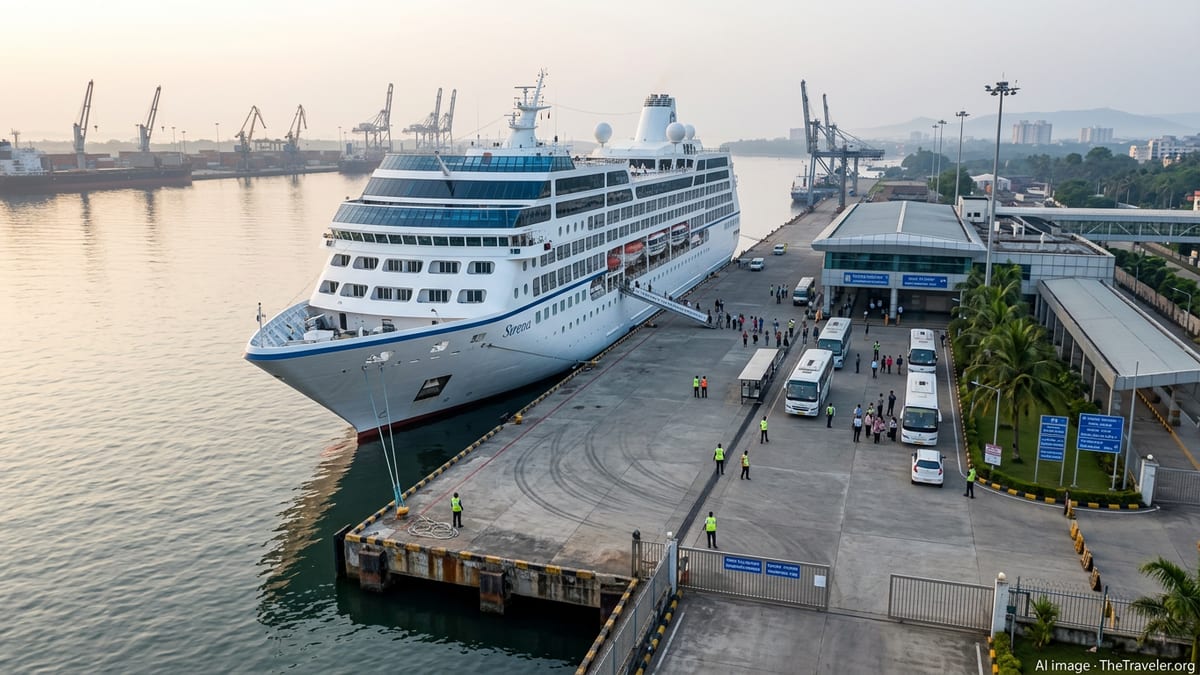
Legacy R-Class Ship Exits Oceania Fleet
Sirena is one of the industry’s well‑known R‑class vessels, a series of eight near‑identical ships built in the late 1990s for the now‑defunct Renaissance Cruises. The 30,000‑ton vessel joined the Oceania Cruises fleet in 2016 after being acquired from Princess Cruises and undergoing a multimillion‑dollar refurbishment that aligned the ship with the line’s culinary‑focused, upper‑premium positioning.
The sale marks the first time in several years that Norwegian Cruise Line Holdings has reduced capacity at Oceania by divesting, rather than redeploying, an existing ship. Publicly available fleet data shows that Sirena has been sailing a mix of destination‑intensive itineraries, often focused on longer voyages in Europe and repositioning routes across the Atlantic, appealing to repeat cruisers who favor smaller vessels and port‑heavy schedules.
Sirena’s departure will leave Oceania with a fleet centered on slightly larger and newer ships, including the 1,200‑guest Marina and Riviera and the newer Allura‑class vessels. The change is expected to shift more of the brand’s capacity into ships that offer a broader range of suites and balcony accommodations, which typically command higher yields than older tonnage.
While detailed financial terms of the Sirena transaction have not been disclosed in public filings at the time of writing, the move fits a wider pattern in the cruise sector in which operators retire or sell smaller, older vessels to streamline operations and focus investment on newbuild programs designed around updated environmental and guest‑experience standards.
Strategic Capacity Shift Within NCLH Portfolio
Norwegian Cruise Line Holdings oversees three distinct brands, with Norwegian Cruise Line at the mass‑market end, Oceania Cruises in the upper‑premium space, and Regent Seven Seas Cruises in the ultra‑luxury segment. The sale of Sirena comes against a backdrop of multi‑billion‑dollar newbuild commitments across this portfolio, including additional ships ordered for both Norwegian and Oceania in the coming years.
Company filings and presentations in recent years have emphasized a strategy of concentrating capital on fewer, more efficient ships that can generate higher onboard revenue per passenger and lower unit operating costs. Removing an older, small‑capacity vessel like Sirena is consistent with that approach, freeing up resources for newer tonnage with advanced propulsion systems, expanded suites, and modern entertainment and dining concepts.
Analysts who follow the cruise sector have frequently highlighted the challenge of balancing brand identity with the economics of fleet renewal. For Oceania, a line closely associated with intimate ships and destination‑rich itineraries, the sale of a classic R‑class vessel such as Sirena underscores how even upmarket operators are recalibrating their fleets around newer hardware while trying to preserve the hallmarks that built their customer base.
The divestment also comes as Norwegian Cruise Line Holdings continues to work on deleveraging efforts after the heavy borrowing undertaken during the industry’s pandemic shutdown. Although the sale of a single ship is modest in the context of the group’s total debt, asset sales and capacity optimization are viewed in financial commentary as part of a broader toolkit for improving the balance sheet over time.
What the Sale Means for Oceania Guests
For guests loyal to Sirena and its sister R‑class vessels, the sale raises practical questions about itineraries, cabins, and onboard atmosphere. The ship has been popular with travelers who prefer a more traditional cruise experience, with fewer than 700 guests, multiple specialty dining options, and a quieter, more adult‑oriented onboard environment compared with larger mainstream ships.
According to published schedules prior to the sale, Sirena had been slated to operate a mix of Mediterranean, transatlantic, and niche regional voyages that often appealed to seasoned cruisers ticking off smaller ports not regularly visited by megaships. As capacity shifts to other Oceania vessels, some of these routes may be reassigned to larger ships, potentially altering port lineups where harbor size and berthing constraints come into play.
Travel advisors note that when ships leave a fleet, affected guests are typically offered rebooking options on sister ships operating similar itineraries, onboard credits, or alternative sailings. While exact arrangements vary, the pattern across the industry suggests that passengers holding future Sirena bookings are likely to see their cruises migrated to other Oceania vessels or, in some cases, to different dates and routes as schedules are reworked.
For Oceania’s broader guest base, the change could mean a gradual tilt toward newer, slightly larger ships that still maintain the line’s hallmark focus on cuisine and service but with added modern amenities. That may appeal to travelers seeking more suite inventory and expanded spa and wellness facilities, even as some traditionalists express concern about losing one of the line’s most intimate ships.
Industry Context: Older Ships Change Hands
Sirena’s sale fits a continuing industry trend in which older cruise ships are sold to secondary operators, charter firms, or emerging regional brands rather than being retained indefinitely by major global players. Since the mid‑2020s, several large groups have disclosed plans to evaluate their fleets and selectively dispose of vessels that no longer align with environmental regulations, brand positioning, or financial return targets.
Smaller, older ships typically face higher per‑berth operating costs and may require more extensive capital expenditures to meet tightening emissions standards and evolving guest expectations. For a company with a deep orderbook of newbuilds across multiple brands, reallocating capital away from maintaining such ships can be an attractive way to support the funding of more efficient vessels that promise higher long‑term returns.
At the same time, there remains a niche market for smaller cruise ships, particularly in expedition cruising, regional itineraries, and charter operations. Industry observers point out that R‑class ships like Sirena have often found second or third lives outside the major brand portfolios, serving markets where intimate size and lower initial acquisition costs offset the higher relative operating expenses.
Whether Sirena ultimately reemerges under a new brand or continues operating in a different segment of the cruise market, its sale by Norwegian Cruise Line Holdings underscores how even well‑regarded legacy ships are being reassessed as operators across the sector pursue tighter, more efficient fleets in an increasingly competitive global cruise landscape.