


More news on this day
Hundreds of passengers across Australia and New Zealand are facing extended waits and missed connections as more than 500 flights operated by Jetstar, QantasLink, Sounds Air, Air New Zealand and several smaller carriers encounter delays and cancellations across key hubs including Melbourne, Sydney, Wellington and Picton.
Get the latest news straight to your inbox!
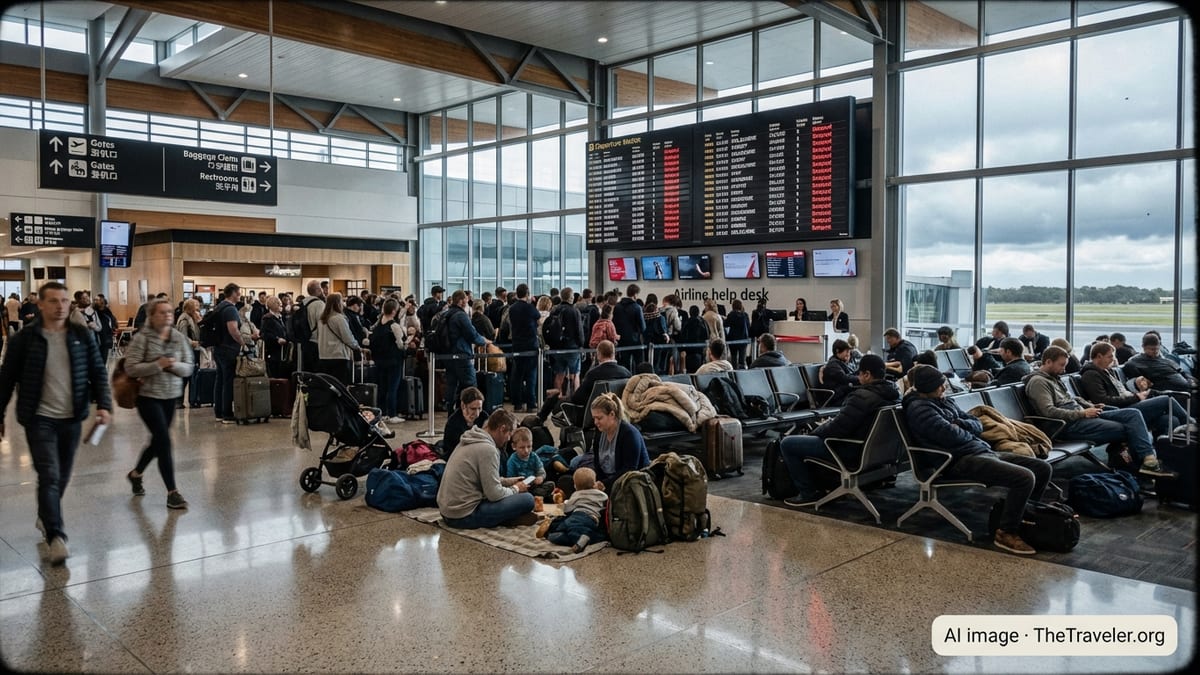
Wide Ripple Effect Across Major and Regional Airports
Publicly available operational data and airport tracking services indicate that at least 523 flights were affected across the region, with delays ranging from minor schedule slips to hold-ups of several hours. Fifteen services were cancelled outright, forcing passengers to rebook or abandon plans altogether.
Melbourne and Sydney recorded some of the most visible impacts, with congestion building throughout the day as delayed arrivals pushed back subsequent departures. Short-haul routes between the two cities, a core corridor for Jetstar and QantasLink, saw multiple turnarounds operating significantly behind schedule, creating a rolling knock-on effect for later services.
In New Zealand, disruptions were felt most acutely on regional links feeding into Wellington and smaller airfields such as Picton. Sounds Air and Air New Zealand services connecting provincial centres to the capital experienced a mix of delays and selective cancellations, tightening already limited seat capacity on some popular commuter and leisure routes.
While the majority of affected flights eventually departed, the cumulative effect of staggered delays across busy morning and evening peaks left terminals crowded and baggage systems under strain, particularly at Melbourne Tullamarine, Sydney Kingsford Smith and Wellington International.
Weather, Capacity Constraints and Network Fragility
Meteorological briefings for the aviation sector in both countries pointed to unsettled conditions, including strong winds and bands of rain around coastal approaches, as a key contributing factor. New Zealand forecasters had earlier signalled a pattern of windier, wetter fronts moving across central regions, conditions that routinely translate into tighter operating margins at Wellington, which is known for gusty crosswinds.
In Australia, periods of reduced runway capacity linked to adverse weather in Sydney have previously triggered significant ground delays, and similar patterns appear to have contributed to the latest round of disruptions. When a major hub slows down, flights across the domestic network are frequently held on the ground or re-sequenced, leading to extended gate holds in cities such as Melbourne.
Industry reporting over recent months has also highlighted broader capacity and maintenance pressures at several carriers, particularly in the form of engine overhauls, aircraft availability and tight crewing rosters. Public statements from airlines in early 2026 pointed to ongoing fleet maintenance campaigns and cost pressures, which can leave networks more vulnerable when weather or air-traffic restrictions occur.
Aviation analysts note that when spare aircraft and crew are limited, a single morning disruption can cascade across dozens of flights through the day, especially on trunk routes and regional connections where schedules are densely packed and turnaround times are short.
Impact on Jetstar, QantasLink and Air New Zealand Networks
Low-cost carrier Jetstar, which operates dense schedules between Melbourne, Sydney and other Australian and New Zealand destinations, experienced a notable cluster of delayed services across core domestic routes. Flight tracking platforms showed multiple departures operating significantly behind timetable averages on the Sydney to Melbourne corridor, where Jetstar already records some of the longest typical delays in the region.
QantasLink, the regional arm of Qantas, also saw disruptions on its network of services linking major cities to smaller communities. With the airline operating hundreds of weekly flights into metropolitan and remote ports, the cancellation of even a handful of sectors can leave travellers with limited same-day alternatives, particularly where services run only once or twice daily.
Across the Tasman, Air New Zealand faced operational pressures on domestic routes that feed into its main hubs. Recent corporate disclosures have pointed to ongoing engine maintenance delays and a strategic review of capacity, and the latest operational day saw selected consolidations and delayed departures on key sectors, including links into Wellington and other primary airports.
Regional carrier Sounds Air, which connects smaller centres including Picton and Blenheim with Wellington, was among those most exposed to weather-related constraints. With small aircraft fleets and tight turnarounds, the suspension or delay of a single rotation can quickly affect passengers booked on later flights, as there are fewer spare aircraft to absorb irregular operations.
Travellers Face Missed Connections and Limited Rebooking Options
The operational squeeze created a difficult day for travellers on both sides of the Tasman. Passengers connecting from regional airports into long-haul international departures in Auckland, Sydney or Melbourne were among the most vulnerable, as even moderate domestic delays risked missed onward flights and unplanned overnight stays.
Reports from passenger forums and social media highlighted long queues at customer service desks as travellers attempted to secure alternative connections. Budget carriers in particular were frequently described as offering limited same-day rebooking options on popular routes, reflecting high load factors and constrained capacity heading into the Southern Hemisphere winter travel period.
In New Zealand, residents relying on short-hop services between provincial cities and Wellington reported disrupted business trips and family visits, with some regional sectors temporarily consolidated into fewer flights. Across the Cook Strait, travellers to and from Picton faced additional uncertainty due to the small number of daily services, leaving some with little choice but to shift plans or consider ground and ferry alternatives.
Travel insurers and consumer advocates have repeatedly warned that while airlines may offer meal vouchers, hotel accommodation or rebooking in certain circumstances, coverage can vary significantly by fare type and carrier, leaving some passengers out of pocket after significant delays or cancellations.
Airlines Urge Early Check-in as Winter Disruption Risks Rise
Airlines and airports across Australia and New Zealand have been advising customers to allow extra time at the terminal and to monitor flight status closely as the region moves into a period of historically more unsettled weather. Travel advisories on carrier and airport websites emphasise the importance of ensuring contact details are up to date so that schedule changes can be communicated rapidly.
Operational updates from carriers indicate ongoing efforts to smooth schedules, including tactical use of spare aircraft where available, minor retimings and the consolidation of lightly booked flights to free capacity for disrupted passengers. Some airlines are also encouraging travellers with flexible plans to move bookings to off-peak times in order to ease pressure on peak-hour banks of flights.
Aviation commentators note that the present wave of delays and cancellations illustrates the continued fragility of airline networks in the face of intersecting pressures, including volatile weather, aircraft maintenance cycles, higher operating costs and tight labour markets. With many fleets still undergoing post-pandemic fleet and schedule adjustments, buffers that once absorbed short-term shocks remain comparatively thin.
For travellers planning journeys through Melbourne, Sydney, Wellington, Picton and other affected airports in coming days, publicly available guidance suggests building additional time into itineraries, especially when connecting between separate tickets or different airlines, and considering travel insurance options that clearly set out entitlements in the event of extended disruption.