


Along the Mediterranean coast, rolling hills covered in olive trees meet sparkling waters, while centuries-old villages continue to preserve customs that have shaped local communities for generations. From the shores of France to the countryside of Italy, the region offers an inviting blend of nature, history, and culture.
Mediterranean Escapes Along the French Coast
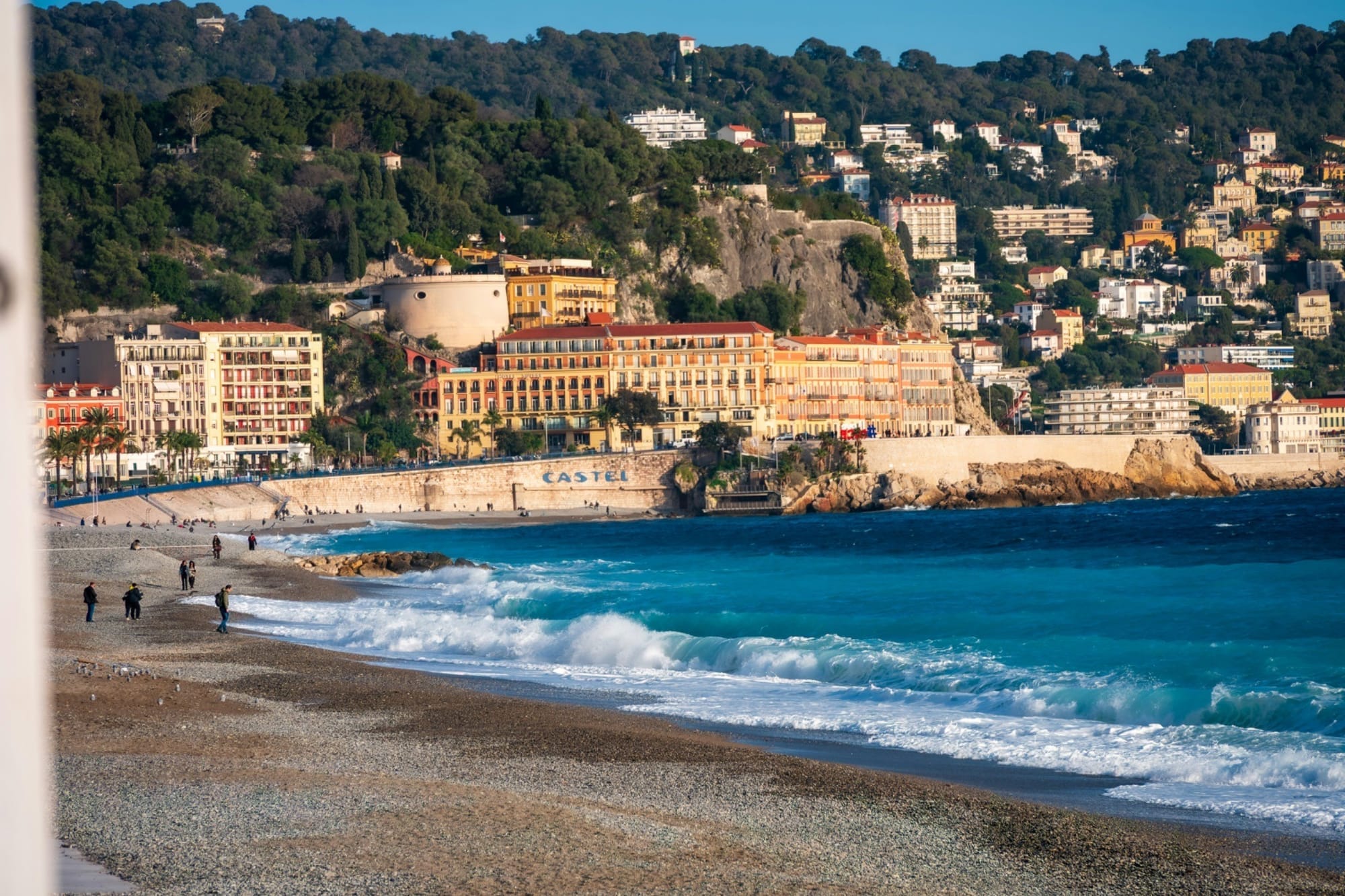
Among the most sought-after journeys in Europe are trips to French Riviera, where glamorous seaside towns coexist with peaceful fishing villages and scenic coastal roads. Stretching along the southeastern coast of France, this famous region combines elegant architecture, sandy beaches, and vibrant waterfront promenades.
Visitors often divide their time between larger destinations such as Nice and smaller communities tucked between cliffs and the sea. Each location offers its own atmosphere, from lively marinas filled with yachts to quiet coves where local residents gather away from the crowds.
What makes the Riviera particularly appealing is the variety found within a relatively small area. One morning might be spent exploring a colourful market, while the afternoon could involve a leisurely walk along the coast overlooking the Mediterranean. The combination of scenery and culture creates a destination that appeals to a wide range of travellers.
Exploring Italy’s Timeless Countryside
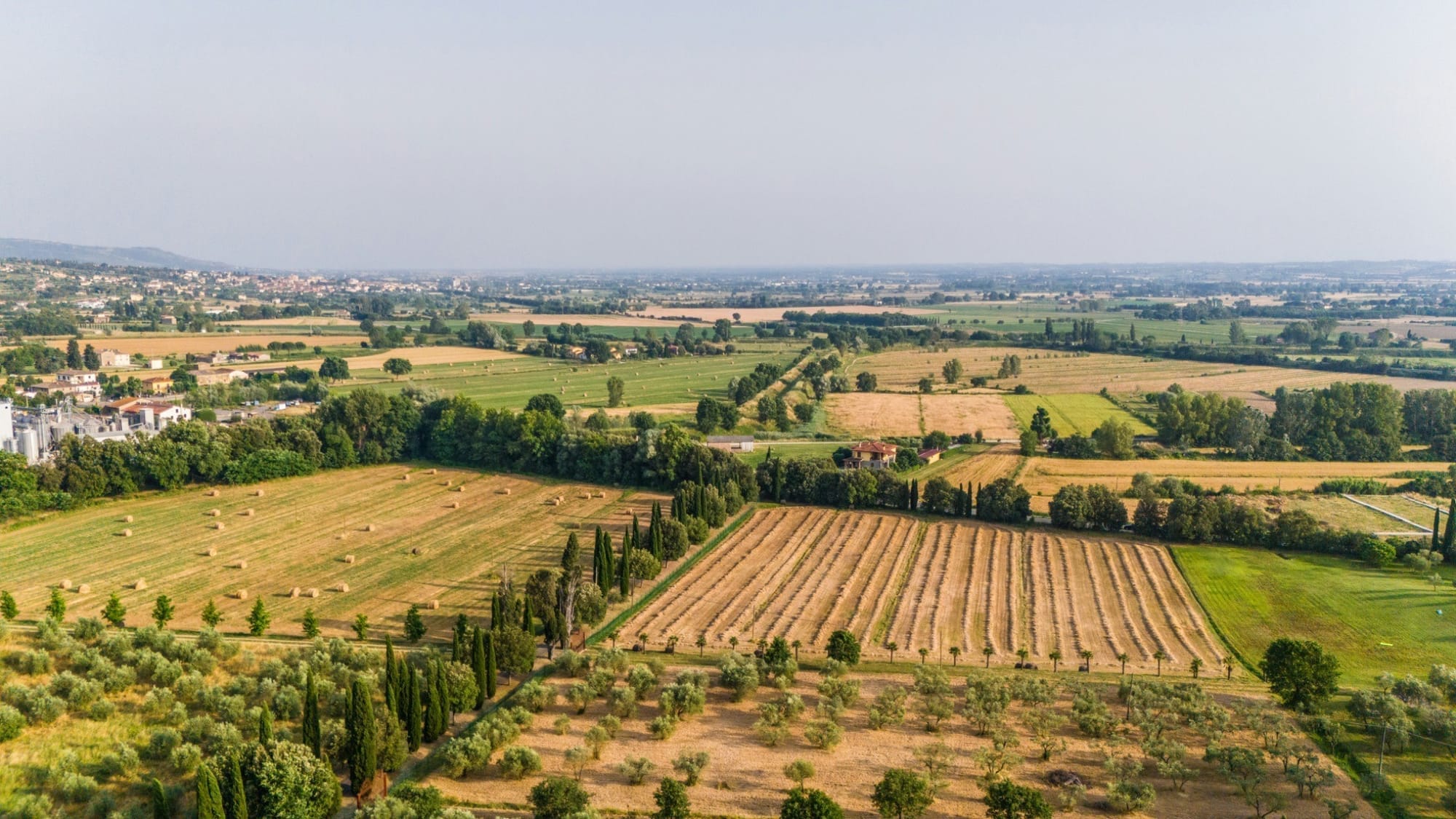
Many visitors looking to experience rural Italy choose Tuscany tour packages that showcase one of the country's most iconic regions. Here, winding roads pass through vineyards, cypress-lined hills, and small towns that seem unchanged by time. The landscape itself has inspired artists, writers, and travellers for centuries.
Stone farmhouses sit among fields and olive groves, while medieval villages crown hilltops overlooking the countryside. Markets, local festivals, and family-owned restaurants contribute to an atmosphere that feels deeply connected to tradition. Rather than rushing between attractions, travellers are encouraged to slow down and appreciate the rhythm of daily life.
The appeal of Tuscany extends beyond its scenery. Regional cuisine, local wines, and historical architecture all play important roles in shaping the visitor experience. Every village offers a slightly different perspective on the area's cultural heritage.
The Beauty of Olive-Growing Regions
Olive trees have become one of the defining features of Mediterranean landscapes. Their silvery-green leaves cover hillsides across southern France, Italy, Spain, and other coastal regions. Some groves have existed for centuries, passed down through generations of farming families.
Travelling through these agricultural areas reveals a side of Europe often overlooked by visitors focused solely on major cities. Quiet roads wind through valleys where local traditions remain closely tied to the land. During harvest season, communities become especially active as families and producers gather to process olives and celebrate local products.
Many villages maintain strong connections to olive cultivation, and visitors frequently encounter small shops selling oils produced nearby. These agricultural traditions contribute significantly to regional identities and local economies.
Seaside Walks and Coastal Living
Promenades form an important part of life in many Mediterranean destinations. These waterfront pathways provide space for exercise, social gatherings, and relaxation while offering uninterrupted views of the sea.
Unlike busy urban streets, coastal promenades often encourage a slower pace. Residents and visitors alike spend evenings strolling along the water, stopping at cafés, or simply enjoying the changing colours of the sky as the sun sets over the horizon.
The atmosphere varies from one destination to another. Some promenades are lined with elegant hotels and restaurants, while others remain closely connected to working harbours and fishing communities. Regardless of location, these public spaces help define daily life along the Mediterranean coast.
Villages Where Time Appears to Slow Down
Scattered across southern Europe are countless villages that preserve architectural styles and traditions dating back hundreds of years. Narrow streets, stone houses, and central squares create environments designed long before the arrival of modern tourism.
Many of these communities occupy elevated positions overlooking valleys or coastlines. Their locations once provided defensive advantages but now offer spectacular views that attract visitors from around the world. Wandering through these villages often reveals hidden courtyards, historic churches, and small artisan workshops.
Unlike larger tourist centres, these destinations encourage a more relaxed form of exploration. The absence of strict itineraries allows travellers to discover unexpected details and appreciate the character of each location at their own pace.
Seasonal Rhythms of the Mediterranean
The experience of visiting southern Europe changes significantly throughout the year. Spring brings wildflowers, mild temperatures, and fewer crowds. Summer introduces bustling beaches, outdoor festivals, and lively evening gatherings that continue well after sunset.
Autumn offers harvest celebrations, comfortable weather, and golden landscapes across rural regions. Winter, although quieter, reveals another side of Mediterranean life, with local communities returning to routines less influenced by tourism.
Each season highlights different aspects of the region. Travellers seeking vibrant energy may prefer the warmer months, while those interested in authenticity and tranquillity often find the shoulder seasons particularly rewarding.
Food as a Reflection of Place
Cuisine plays a central role in understanding Mediterranean culture. Ingredients frequently reflect local geography, with olive oil, fresh vegetables, seafood, and regional herbs appearing in countless dishes.
Village restaurants often focus on recipes passed down through generations, while coastal establishments highlight ingredients sourced directly from nearby waters. Markets provide opportunities to observe daily life and sample regional specialities prepared according to local traditions.
Meals are typically viewed as social experiences rather than quick necessities. Long lunches and relaxed dinners encourage conversation and connection, reflecting broader cultural values throughout the region.
Food therefore becomes more than nourishment—it serves as an introduction to the history, traditions, and identity of each destination.
Finding Balance Between Nature and Culture
One of the greatest strengths of Mediterranean travel lies in the balance between natural beauty and cultural richness. Olive-covered hills, coastal landscapes, and historic villages coexist within relatively short distances of one another. Travellers can spend mornings exploring museums or historical landmarks before heading into the countryside or relaxing by the sea.
This diversity allows every day to feel different while maintaining a consistent sense of place. Whether discovering rural traditions, admiring architectural heritage, or simply enjoying a scenic viewpoint, visitors encounter countless reminders of the region’s enduring appeal.
Conclusion
From the elegant coastline of southern France to the rolling hills of Tuscany, Mediterranean Europe offers a journey through landscapes shaped by history, agriculture, and tradition. Olive groves, waterfront promenades, and sunlit villages combine to create experiences that reward curiosity and encourage slower travel. For those seeking beauty, culture, and authenticity, few regions are as captivating as this corner of Europe.