


Located in the country's northeast, this distinctive area combines Mediterranean coastlines, historic cities, mountain scenery, and a cultural identity that has evolved over centuries. Visitors are often drawn by famous landmarks, yet many discover that Catalonia's greatest appeal lies in the blend of local traditions, natural beauty, and contemporary energy found throughout the region.
A Popular Choice for Exploring Spain
Many international visitors researching tours to Spain quickly encounter Catalonia as one of the country's most rewarding destinations. The region offers a remarkable combination of experiences within relatively short distances. Historic architecture, seaside resorts, vineyard-covered landscapes, and lively urban centres can all be included in a single itinerary.
Excellent transportation infrastructure makes travel straightforward, whether visitors prefer rail journeys, self-drive adventures, or organised excursions. This accessibility allows travellers to move beyond the most famous attractions and discover lesser-known towns and coastal communities.
Unlike some destinations that focus on a single type of experience, Catalonia appeals to a wide range of interests. Art enthusiasts, food lovers, history buffs, and outdoor adventurers can all find something to enjoy within the region.
Discovering More Than Barcelona
Interest in Catalonia vacation packages continues to grow because travellers increasingly seek opportunities to explore beyond the regional capital. While Barcelona often serves as the gateway, many itineraries now include destinations along the Costa Brava, mountain villages near the Pyrenees, and inland towns rich in history.
These broader journeys reveal a more complete picture of Catalonia's character. Coastal roads connect charming fishing villages, while rural routes pass through landscapes shaped by agriculture and traditional industries. Visitors often find that combining urban exploration with smaller communities creates a more balanced and memorable experience.
The diversity of environments within Catalonia means that every day can offer something different. One morning may be spent walking through a medieval town, while the afternoon could involve relaxing beside the Mediterranean Sea.
Barcelona’s Creative Spirit
No exploration of Catalonia would be complete without spending time in Barcelona. The city has developed an international reputation thanks to its architecture, cultural institutions, and vibrant atmosphere. Streets lined with cafés and public squares encourage outdoor living, while historic districts reveal layers of the city's long history.
Perhaps the most recognisable aspect of Barcelona is the influence of architect Antoni Gaudí. His distinctive designs can be found throughout the city, contributing to an urban landscape unlike any other in Europe. Yet Barcelona's appeal extends far beyond its famous landmarks.
Markets, waterfront promenades, museums, and neighbourhood festivals all contribute to daily life. Walking through different districts reveals how varied the city can be, with each area possessing its own identity and atmosphere. This diversity helps explain why Barcelona remains one of Europe's most visited destinations.
The Appeal of the Costa Brava
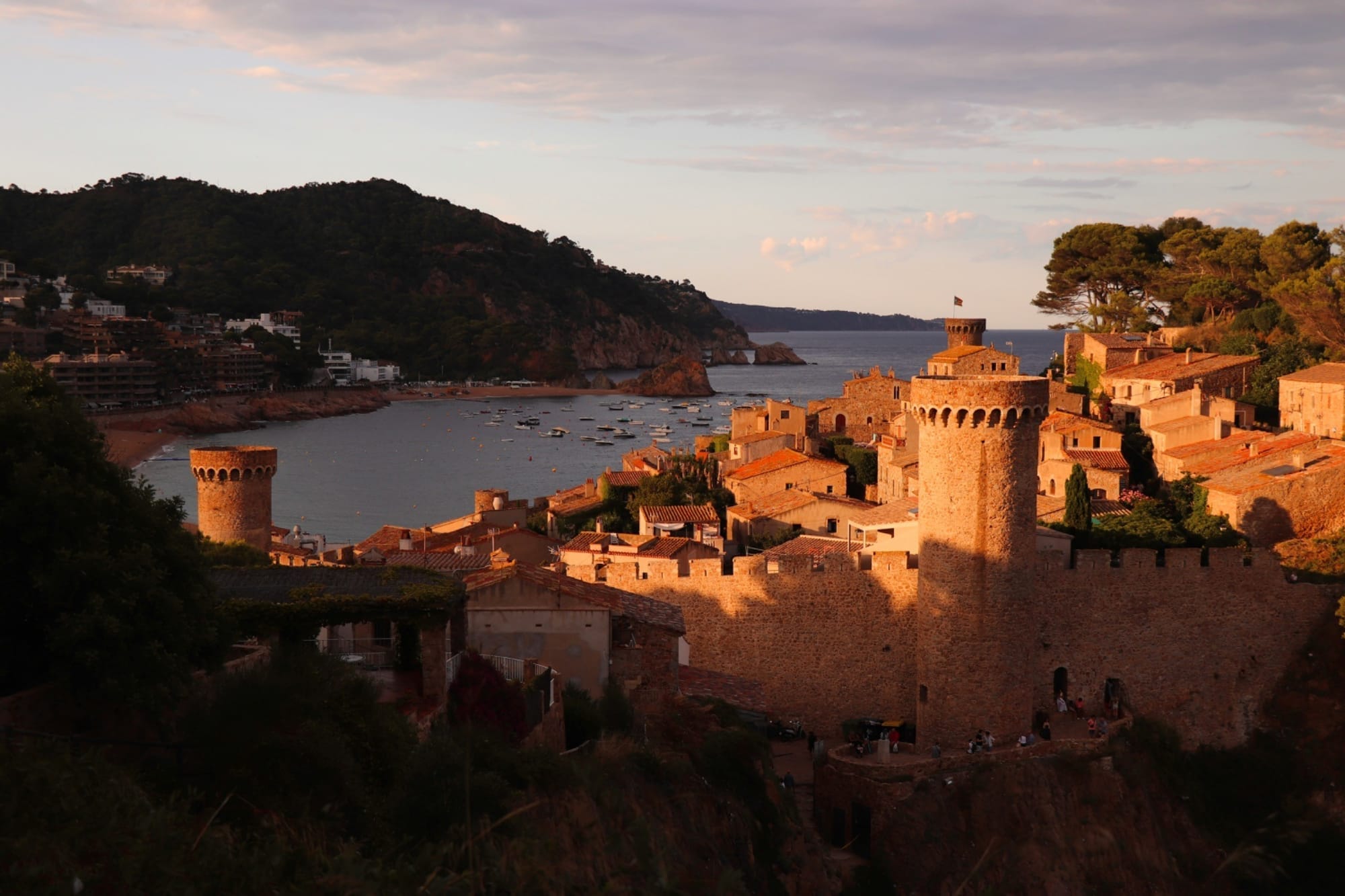
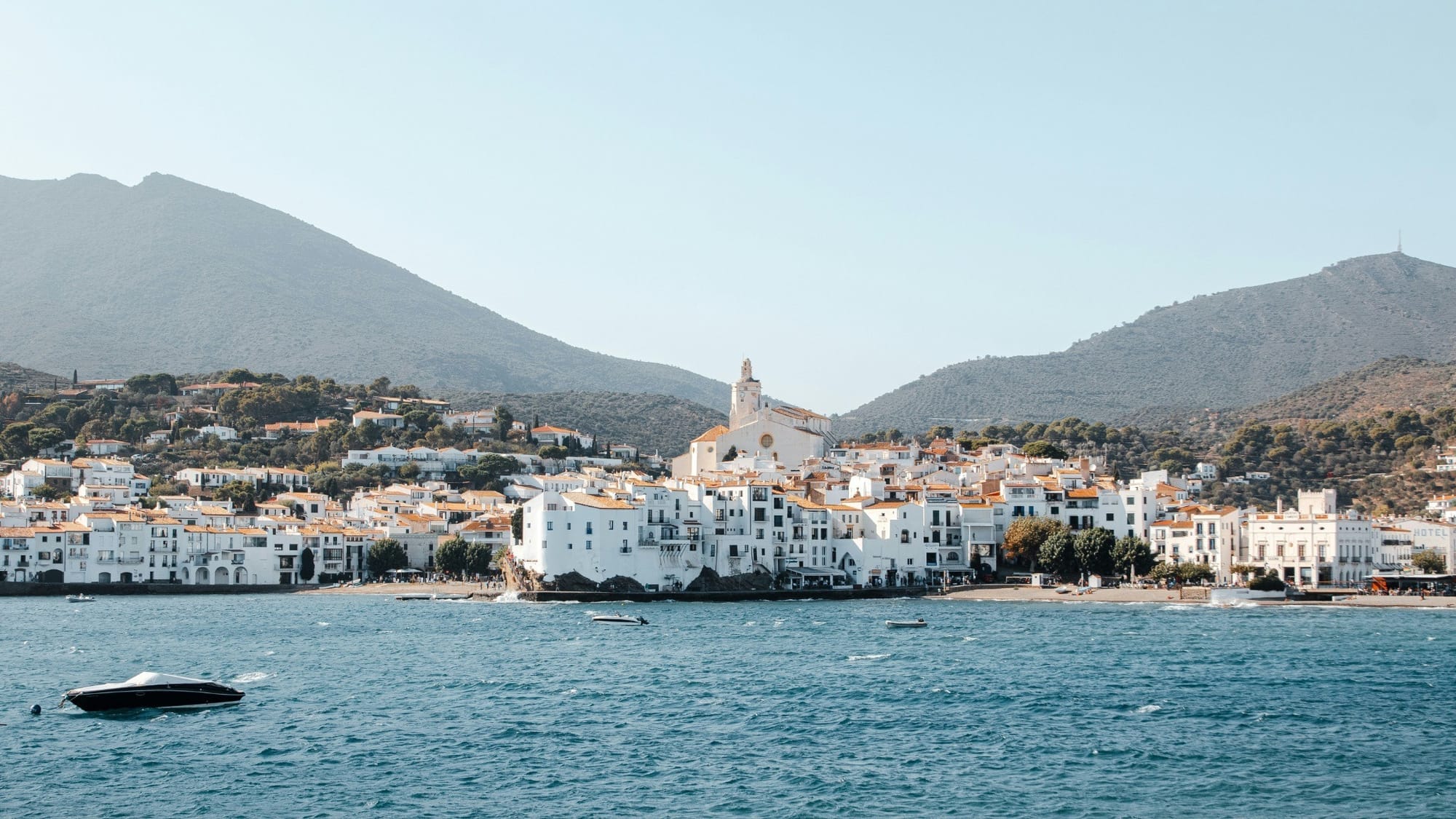
North of Barcelona, the Costa Brava presents a dramatically different setting. Rugged cliffs, hidden coves, and turquoise waters define much of this coastline, creating scenery that attracts travellers throughout the year. Fishing villages and resort towns coexist along the shore, each offering unique perspectives on Mediterranean life.
Rather than towering skyscrapers and crowded beaches, many sections of the Costa Brava retain a more intimate character. Coastal paths allow visitors to move between bays while enjoying uninterrupted sea views. Small harbours and waterfront restaurants contribute to a relaxed atmosphere that contrasts with larger urban destinations.
Artists and writers have long been inspired by this landscape. Even today, the coastline continues to attract visitors seeking beauty, tranquillity, and opportunities for outdoor recreation.
Historic Towns and Medieval Heritage
Beyond the beaches, Catalonia contains numerous towns that preserve centuries of history. Cobblestone streets, stone buildings, and fortified walls remain visible reminders of the region's medieval past. Places such as Girona offer exceptional opportunities to explore architectural heritage while enjoying a more relaxed pace than larger cities.
Many historic centres have been carefully preserved, allowing visitors to experience environments that feel remarkably authentic. Narrow alleys open onto public squares where local cafés and markets continue to play important roles in community life.
These towns provide valuable context for understanding the broader history of Catalonia. Their cultural significance extends beyond individual landmarks, reflecting traditions and influences that have shaped the region over many generations.
The Influence of the Mediterranean
The sea plays a central role in Catalan life. Coastal communities developed through fishing, trade, and maritime connections that linked the region with other parts of the Mediterranean world. Today, these influences remain visible in local cuisine, architecture, and cultural traditions.
Waterfront promenades often serve as gathering places where residents and visitors alike enjoy evening walks and outdoor dining. Beaches vary from broad stretches of sand to secluded coves surrounded by cliffs and vegetation.
The Mediterranean climate further enhances the appeal of the region. Warm summers, mild winters, and abundant sunshine encourage outdoor activities throughout much of the year. This relationship between people and the sea remains one of Catalonia's defining characteristics.
Food, Festivals, and Regional Identity
Cultural identity is particularly evident through local food traditions and annual celebrations. Catalan cuisine incorporates ingredients from both land and sea, creating dishes that reflect the region's geography and history. Fresh seafood, olive oil, vegetables, and locally produced wines feature prominently on many menus.
Festivals provide additional insight into local customs. Throughout the year, towns and cities host events celebrating everything from religious traditions to historical anniversaries and seasonal harvests. Music, dancing, and community gatherings help maintain strong cultural connections across generations.
Language also contributes to the distinct character of the region. Catalan is widely spoken alongside Spanish, reinforcing a sense of identity that visitors quickly notice during their travels.
From Coastlines to Mountain Landscapes
Many travellers are surprised to discover how quickly the scenery changes inland. Beyond the coastal plains, roads lead toward rolling hills and eventually the Pyrenees mountains that form part of the border with France. These higher elevations introduce opportunities for hiking, wildlife observation, and outdoor adventure.
Mountain villages offer another perspective on Catalan life. Traditional stone architecture, agricultural landscapes, and spectacular viewpoints create experiences that differ dramatically from those found along the coast.
This geographical variety adds depth to any journey through the region. Visitors can enjoy beaches, cities, vineyards, and mountain scenery without travelling long distances.
Conclusion
Catalonia stands out as one of Europe's most diverse and rewarding destinations. From the creative energy of Barcelona and the beauty of the Costa Brava to medieval towns, mountain landscapes, and enduring cultural traditions, the region offers experiences that extend far beyond its most famous attractions. Travellers willing to explore its many layers are rewarded with a rich combination of history, scenery, and Mediterranean charm.