


More news on this day
A growing share of would-be vacationers are quietly stepping back from the airport this year, with new research suggesting that roughly one in three people are opting to “summer at home” amid persistent worries about flight disruption and rising travel costs.
Get the latest news straight to your inbox!
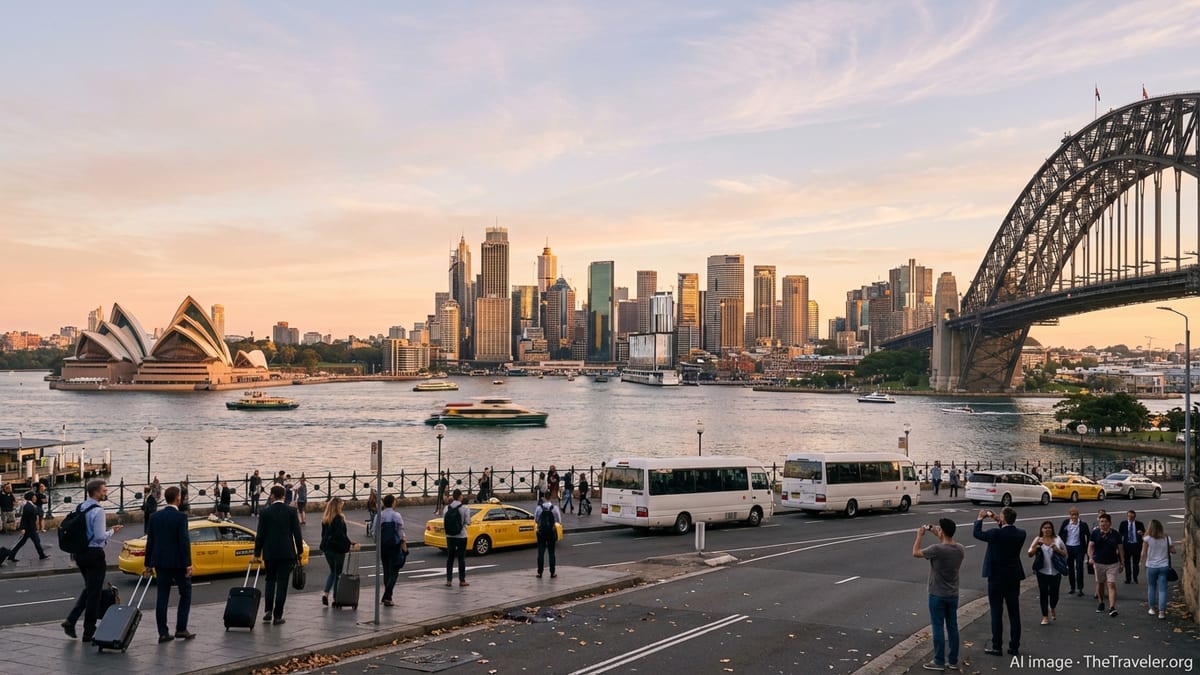
Surveys Point to Softer Demand for Long-Haul Summer Travel
Recent consumer travel studies indicate that enthusiasm for summer getaways remains high, but the nature of those trips is shifting. Research from major consultancies and travel insurers shows that while a majority of people still want a break, a significant minority are choosing not to travel far, or at all, during the peak season.
Deloitte’s 2026 Summer Travel Survey reports that overall travel intent is at a six-year low, even as those who do go away expect to spend more. Among adults who say they will not travel this summer, about one third cite the cost of travel as prohibitive, while others point to crowded skies and an unpredictable flight schedule as reasons to stay put.
Other consumer polling paints a similar picture. Previous surveys in North America have found that around a quarter of adults do not plan any vacation in the summer period and that an additional slice plan only a low-key staycation in their local area. Taken together, that leaves roughly one in three people effectively “summering at home,” even as airports brace for another busy season.
Industry commentary suggests this is less a collapse in wanderlust than a recalibration. Many travelers are holding on to the idea of a break, but not at any cost and not at any level of risk of disruption.
Flight Disruption Fears Now Shape Booking Decisions
Concerns about delays, cancellations and missed connections are increasingly central to how people plan, or do not plan, their summer travel. A range of recent surveys of U.S. and European travelers highlight a belief that disruption is no longer an exception but a likelihood that needs to be managed in advance.
One U.S. consumer study published this month found that nearly nine in ten travelers expecting to fly in the next year anticipate some form of disruption to their journey. Publicly available insurance data also show that about a third of summer travelers who purchase coverage now say they do so specifically because they are worried about flight disruption or aviation incidents.
These anxieties are being reinforced by high-profile events, from technical outages and air traffic control issues to severe weather that has stranded travelers in recent peak seasons. Reports from travel risk and insurance firms note that more than half of highly active leisure travelers have already altered plans because of extreme weather, and most expect to do so regularly in future summers.
In this environment, staying home or choosing a destination reachable by car or train can feel like the safest option. For parents traveling with children, in particular, the prospect of long queues, rolling delays and unexpected overnight stays has become a powerful deterrent to booking flights at all.
Costs and Capacity Squeeze Push Travelers Closer to Home
Beyond disruption fears, simple economics are nudging many households toward a home-based summer. Travel analysts say that while airline capacity has largely recovered, fares and accommodation rates remain elevated in many popular markets, especially on long-haul routes and at beach and city hotspots during school holidays.
Deloitte’s latest summer outlook notes that rising prices have slowed travel intent to its lowest point in several years, even as committed travelers accept higher budgets for the trips they do take. Among non-travelers, around one third say trips are too expensive and another third say they simply cannot afford them at all.
Earlier national polling reported comparable pressures. A 2025 survey of U.S. adults cited by financial media found that roughly one quarter did not plan any summer vacation, with most pointing to overall cost of living and high travel prices as key reasons. Separate research from insurers and booking platforms suggests that many others are trading a big annual getaway for shorter, less expensive breaks closer to home.
Domestic tourism boards are already noting the impact. In markets from North America to Europe, industry commentary points to steady or rising demand for local stays, even as some long-haul routes see softer bookings than anticipated.
How Travelers Are Redesigning Their Summer Plans
For those not fully grounded, publicly available booking and survey data show clear shifts in how people structure their summer escapes. More travelers are favoring flexible reservations, refundable fares and routes that can be reached without flying or with direct flights only.
Travel insurance platforms report a rise in add-ons that address disruption, such as coverage for missed connections and trip interruption. At the same time, more customers are choosing regional destinations accessible by car, rail or short-haul flights, seeking to limit the number of potential failure points in their itinerary.
Some surveys of frequent leisure travelers indicate that many now expect to plan around disruption rather than respond to it. That can mean building in extra buffer days, avoiding the busiest departure periods or deliberately staying within their home country for key family holidays while postponing long-haul trips to shoulder seasons.
This recalibration does not eliminate risk, but it reduces perceived exposure. For many households, especially those watching budgets, the trade-off between a complicated, high-stakes itinerary and a simpler summer at home is increasingly being resolved in favor of the latter.
Implications for Airlines, Destinations and Local Economies
The emerging pattern of one in three people effectively “summering at home” carries mixed implications for the travel economy. Airlines and long-haul destinations face a more cautious customer base that may be quicker to pull back from complex or costly itineraries if disruption headlines intensify.
Capacity planners already contend with tight margins, staffing constraints and more volatile weather patterns. Analysts warn that any major operational issue during peak weeks could reinforce a cycle in which nervous travelers scale back future plans, further concentrating demand among those most willing to tolerate uncertainty and higher prices.
On the other hand, domestic tourism providers may benefit from the shift. Hotels, short-term rentals and attractions within a half-day’s drive of major cities report relatively resilient interest for school-holiday periods, as families that might previously have gone abroad choose regional breaks instead.
For travelers themselves, the choice to stay home or close to it can deliver more predictable, less stressful summers, even if it means postponing bucket-list trips. With disruption fears and affordability concerns unlikely to fade quickly, this pattern of cautious, home-centered summer planning may be set to remain a defining feature of the peak travel season in 2026.