


More news on this day
Air travel across Pakistan has faced a fresh wave of disruption, with around 60 flights cancelled and many more delayed as airlines adjust schedules in response to operational and commercial pressures.
Get the latest news straight to your inbox!
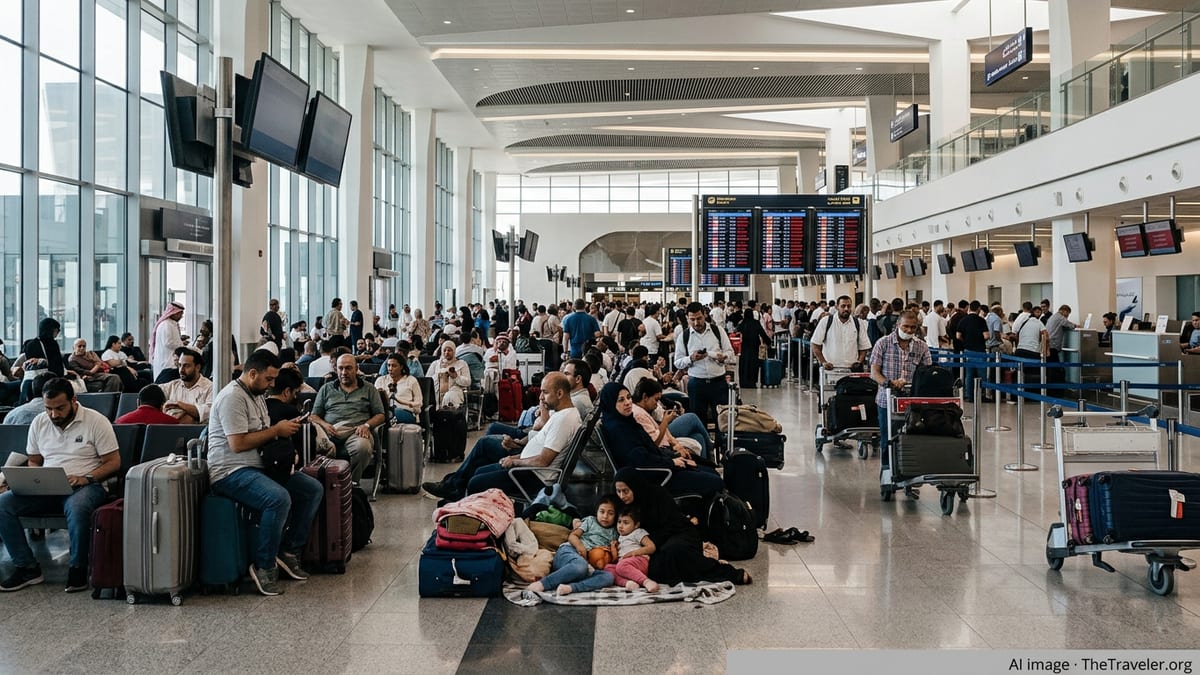
Nationwide Cancellations Hit Key Pakistani Airports
Publicly available flight tracking data and local media coverage indicate that roughly 60 domestic and international services to and from Pakistan have been cancelled over a recent 24 to 48 hour period, with additional flights facing extended delays. The disruption appears concentrated at major gateways including Islamabad, Lahore and Peshawar, with secondary impacts at other regional airports as aircraft and crews are repositioned.
Reports from aviation-focused outlets in Pakistan describe a pattern of thinning schedules, particularly on routes linking Pakistani cities with Gulf hubs. Flight status boards for Lahore and Islamabad show a mix of outright cancellations and departures pushed back by several hours, illustrating how even relatively modest schedule cuts can cascade through tightly timed networks.
Operational databases suggest that both local and foreign carriers are affected, though the proportions vary by airport and route. While headline cancellation numbers are smaller than those seen in some recent large-scale disruption events in Europe, Asia and the United States, the impact on Pakistani travelers is magnified by the limited frequency of some international services and the reliance on a handful of key hubs for onward connections.
The current wave of disruption follows a period of intermittent schedule adjustments at Pakistani airports earlier in May, when dozens of flights were pulled amid soft demand and shifting operational priorities. The latest figures point to a continuation of that volatility rather than a one-off event.
Flydubai Suspension Amplifies Pressure on Gulf Links
The situation has been compounded by Flydubai’s decision to suspend flights between Dubai and three major Pakistani cities. According to published coverage citing the carrier’s publicly accessible flight inquiry channels, services linking Dubai with Islamabad, Lahore and Peshawar have been withdrawn until late October, framed by the airline as an operational move.
Flight tracking platforms show that cancellations on these routes had been building since early May, gradually eroding connectivity before the formal suspension window was reflected in booking systems. Travelers who had relied on Flydubai for relatively high-frequency links between Pakistan and the United Arab Emirates are now being diverted to alternative carriers or forced to route through other Pakistani cities such as Karachi or Multan where services continue.
The withdrawal of these flights effectively removes a block of daily capacity from some of Pakistan’s busiest international corridors. For passengers, that translates into longer journey times, fewer options for same-day connections and, in many cases, higher fares for the remaining seats on competing airlines, particularly around peak travel dates.
Industry commentators note that Flydubai’s move is unfolding against a backdrop of fuel market volatility and heightened regional uncertainty, which can make thinner routes more vulnerable when airlines review the commercial viability of their schedules. The cancellations feeding into the current total across Pakistan reflect that strategic recalibration as much as any single operational incident.
Weak Demand and Cost Pressures Shape Airline Decisions
Beyond individual airline strategies, broader economic conditions in Pakistan are playing a significant role in current flight patterns. Business media in the country recently documented more than 100 cancellations over a single weekend as carriers cut frequencies in response to weak passenger demand, despite notable fare reductions on some trunk routes.
Fare data cited in that coverage shows sizeable price drops on high-traffic sectors such as Lahore to Karachi, where typical one-way fares that had hovered at elevated levels earlier in the year have fallen markedly in an effort to stimulate bookings. Even so, inflation-hit households and corporate budget constraints appear to be limiting the rebound in domestic travel, prompting airlines to trim schedules rather than risk operating lightly filled flights.
Operational disruptions recorded this week fit within that emerging pattern. When an airline is already running with marginal loads, the threshold for cancelling a flight can be lower if crew utilization or aircraft maintenance requirements also come into play. The result is a patchwork of schedule changes that may look like an acute disruption from a passenger’s perspective but, viewed system-wide, resemble a recalibration of capacity.
Analysts observing regional aviation trends point out that Pakistan is not unique in facing such pressures. Airports around Asia and the Middle East have registered recurring waves of cancellations and delays in recent months as carriers balance cost control with the need to maintain network presence. The 60 or so cancelled departures and arrivals reported across Pakistani airports form one local manifestation of that broader trend.
Ripple Effects for Passengers and Regional Connectivity
For travelers, the immediate impact of the disruptions is felt in missed connections, extended airport waits and the need to rebook at short notice. Because many international journeys from Pakistan rely on carefully timed links through Gulf or South Asian hubs, the cancellation of a single segment can unravel an entire itinerary, particularly when alternative departures are already heavily booked.
Travel blogs and passenger forums have begun to reflect this strain, with posts describing flights between Pakistan and the Gulf that were first delayed by several days and then cancelled altogether as airlines refined their schedules. Such individual experiences align with the broader statistical picture that shows an elevated level of schedule change activity affecting Pakistan-linked routes throughout the month.
The knock-on effects are not limited to outbound traffic. Pakistan’s role as both an origin and destination market for expatriate workers, visiting relatives and business travelers means that disruptions can reverberate through labor markets and family planning, especially when cancellations occur close to key religious or holiday periods. Even when replacement flights are available, higher last-minute fares and complex re-routing can put additional financial strain on passengers.
In network terms, sustained cancellations on particular city pairs risk eroding Pakistan’s connectivity relative to competing regional hubs. If capacity reductions on certain Gulf and Southeast Asian routes persist into the peak summer season, some travelers may opt to connect through alternative countries, potentially redirecting tourism and trade flows that had previously run through Pakistani gateways.
What Travelers Can Do Amid Continued Volatility
With airlines in Pakistan and across the wider region continuing to adjust timetables, travel specialists recommend that passengers treat schedules as more fluid than in pre-pandemic years. Publicly accessible guidance from consumer groups and regulators emphasizes the importance of checking flight status repeatedly in the 24 hours before departure, using both airline apps and airport information where available.
Travel advisories also highlight the value of allowing longer connection windows, particularly when itineraries involve separate tickets or transfers through busy hubs that have recently experienced waves of delays and cancellations. Building in additional buffer time can reduce the risk that a missed connection will strand passengers overnight or force expensive last-minute re-bookings.
In cases where flights are cancelled for operational reasons, publicly available information on passenger rights frameworks stresses that travelers may be entitled to refunds or re-routing, depending on the airline, route and jurisdiction involved. While compensation rules differ across markets, many carriers offer at least basic support such as meal vouchers or hotel accommodations when disruptions extend into long delays.
Given the current environment, the pattern of around 60 cancellations and numerous delays in Pakistan is unlikely to be the last such episode this year. Travelers planning journeys to, from or within the country may need to factor that volatility into their arrangements, treating flexibility and real-time information as central parts of any itinerary.