


More news on this day
Operations at Johannesburg’s OR Tambo International Airport have returned to normal after thick fog earlier in the day reduced visibility, causing significant delays, flight diversions and schedule changes across multiple airlines.
Get the latest news straight to your inbox!
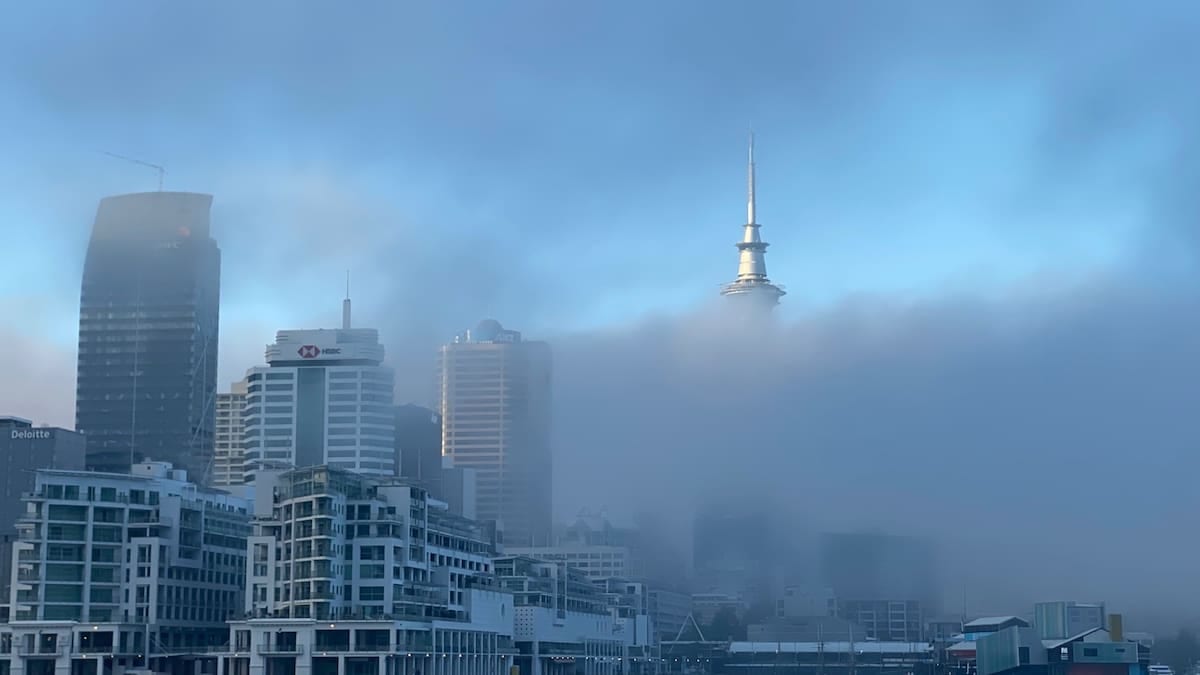
Low visibility triggers early-morning disruption
According to published coverage and aviation data, dense fog settled over parts of Johannesburg and Ekurhuleni in the early hours, sharply reducing runway and approach visibility at OR Tambo. As conditions deteriorated, aircraft movements were slowed, with some arrivals placed in holding patterns and others rerouted to alternative airports until conditions improved.
Publicly available information from flight-tracking platforms shows arrival banks bunching up from the early morning peak, with extended airborne holding times and a series of go-arounds and diversions. Several domestic services destined for Johannesburg were temporarily redirected to airports with more favorable conditions while crews waited for visibility to meet required landing minima.
By mid-morning, reports indicated that visibility at OR Tambo remained below usual operating thresholds for certain approaches, prolonging the disruption. Ground operations, including baggage handling and aircraft turnaround, also experienced knock-on delays as airlines adjusted rotation plans and repositioned aircraft affected by diversions.
The combination of slowed arrivals, delayed departures and temporary diversions created a backlog that continued even after weather conditions began to improve, with the effects felt across South Africa’s interconnected domestic network.
Full services resume as conditions clear
As the fog gradually lifted, publicly available airport and air-traffic updates indicated that visibility improved sufficiently to allow normal landing and departure sequences to resume. Instrument approaches and standard runway configurations were brought back into use, enabling controllers to increase the rate of arrivals and departures and work through the accumulated backlog.
Airlines began reinstating delayed services and dispatching aircraft that had been held at outstations or diversion airports. Some aircraft that had diverted earlier in the morning repositioned into Johannesburg once conditions stabilized, while others continued operating revised routings to preserve schedule integrity.
By later in the day, operational data showed that OR Tambo’s movement rates had largely normalized, with most remaining delays related to aircraft and crews being out of position rather than ongoing weather issues. Airport communications described operations as fully restored, although some individual flights continued to show residual delays.
Travel industry observers note that once low-visibility conditions clear, major hubs such as OR Tambo typically return to regular operations within several hours, but the impact on passengers and airline networks can extend well into the day as rotations are rebuilt.
Impact on passengers and airline schedules
The disruption affected both domestic and regional passengers, with early-morning flights bearing the brunt of delays. According to published coverage, several services on high-frequency routes between Johannesburg, Cape Town and Durban were delayed, consolidated or retimed as airlines worked to manage aircraft availability and crew duty limits.
Passengers reported longer-than-usual queues at check-in and security as travellers whose flights had been rescheduled returned to the terminal. Some connecting passengers missed onward flights and were rebooked on later departures once operations stabilized. In cases where aircraft diverted to other airports, customers experienced extended journey times as flights refueled, repositioned or awaited improved conditions in Johannesburg.
Airline advisories issued during the event urged travellers to monitor their flight status closely and to allow extra time at the airport. Public statements consistently framed safety as the primary consideration, with flight crews required to meet strict visibility and approach criteria before landing or departing in fog-affected conditions.
Published data on on-time performance suggest that while the majority of affected flights eventually operated, a smaller number were cancelled outright or combined with subsequent services, particularly on shorter domestic sectors where rebooking options were more readily available.
Weather-related delays a recurring challenge at major hubs
Meteorological disruptions such as fog continue to pose a regular challenge for busy airports worldwide, and OR Tambo is no exception. Research into operations at the Johannesburg hub indicates that low-visibility conditions are among the leading weather-related causes of flight delays and diversions, particularly during certain seasonal patterns when temperature inversions favor fog formation.
In low-visibility events, aircraft must rely more heavily on instrument landing systems and additional spacing between arrivals and departures, reducing the number of movements per hour that can be handled safely. This reduced capacity means that even a short period of degraded visibility can create a ripple effect throughout the day as flights queue, divert or depart out of sequence.
Aviation analysts point out that major hubs are especially vulnerable to such disruptions because they concentrate a high volume of connecting traffic. When a morning arrival bank is delayed, passengers may miss onward connections, and aircraft may not be available where they are needed for later flights, amplifying the impact beyond the immediate weather window.
Recent studies on delay propagation in global air networks highlight that primary delays caused by local conditions, such as fog, can quickly become secondary delays across a broader region as disrupted flights interact with tightly timed schedules. OR Tambo’s role as a key gateway for southern Africa means that weather events in Johannesburg can affect services across multiple neighboring countries.
Advice for travelers using OR Tambo after the fog
With full operations restored, published guidance from airlines and travel agencies recommends that passengers with upcoming flights through OR Tambo continue to monitor their bookings, as some schedules may remain adjusted for the remainder of the day. Even after conditions improve, aircraft and crew rotations may take time to normalize, particularly on routes that experienced diversions.
Travellers are encouraged to check in online where possible and arrive at the airport with sufficient time to navigate check-in and security, especially during peak periods. Keeping contact details updated with airlines can help ensure timely receipt of notifications if departure times change or gates are reassigned at short notice.
Industry commentators also suggest that passengers build in extra connection time when planning itineraries during seasons when fog and early-morning low cloud are more common. While aviation technology and procedures allow airlines to operate safely in challenging conditions, capacity reductions during such events can make tight connections more vulnerable to disruption.
Despite the inconvenience caused by the latest fog-related disruption, operational updates indicate that OR Tambo’s systems and procedures enabled a steady return to normal activity once visibility improved, with safety remaining the overriding priority throughout the event.