


Visitors to Istanbul quickly hear the same advice: go to Ortaköy for the photos and Beşiktaş for the local energy. These two neighboring districts on the European side share the same stretch of Bosphorus shoreline, but they deliver very different experiences. One is about postcard-perfect views and waffle-and-kumpir stalls under the bridge; the other about lively markets, casual meyhanes, ferry commuters and late-night tea on the waterfront. This guide compares Ortaköy and Beşiktaş in practical detail so you can decide which area fits your style, time and budget.
Get the latest updates straight to your inbox!
Overall Vibe: Postcard Perfect vs Lived‑In Local
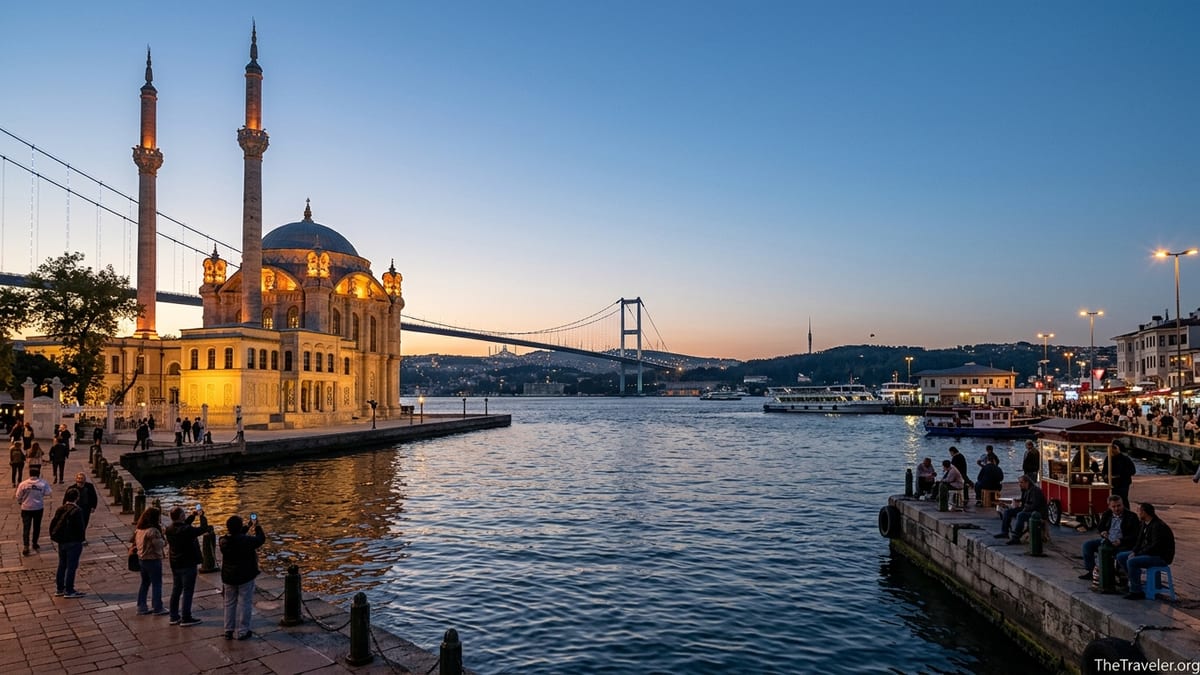
Ortaköy feels like walking into an Istanbul postcard. The compact square is wrapped around the ornate Büyük Mecidiye Mosque, set right on the water with the 15 July Martyrs Bridge towering behind it. At almost any hour, you will see tripods, wedding shoots and visitors lining up to take that classic mosque-and-bridge shot from the edge of the pier. The neighborhood’s narrow lanes around the square are filled with waffle counters, kumpir (loaded baked potato) stalls and souvenir stands, giving it a distinctly leisure-focused, weekend outing atmosphere.
Beşiktaş, by contrast, is where Istanbul gets on with daily life. The streets behind the ferry docks thrum with university students, office workers and football fans in black‑and‑white Beşiktaş jerseys. Çarşı, the central market area, is a maze of fishmongers, spice shops, cheap döner places and small meyhanes with handwritten menus. Instead of people queuing for the best angle of the bridge, you see commuters racing to catch ferries to Kadıköy and Üsküdar, groups meeting for after-work rakı and crowds spilling out of bars on match nights. It feels less curated, more lived‑in.
If you imagine your Istanbul time as a sequence of scenic pauses, lingering over a Bosphorus-view coffee and taking photos, Ortaköy delivers that in a compact package. If you want to be in the middle of the city’s everyday rhythm, where you can step out of your hotel and be in a local bakery or fish market within minutes, Beşiktaş is the better fit.
For many visitors, the sweet spot is to base themselves in Beşiktaş and plan a dedicated half-day or evening in Ortaköy for photos and a waterfront meal. The distance between them is short, but the atmosphere shift is noticeable as soon as you step off the bus or ferry.
Scenery & Photography: Why Ortaköy Owns the Postcards
When it comes to iconic views, Ortaköy has a clear edge. The square sits directly on a small curve of the Bosphorus, which means you can frame the mosque, the waters of the strait and the bridge in a single shot without walking far. Travel photographers often time their visit around sunset, when the sky softens behind the bridge and the mosque’s ornate facade picks up warm light. On clear evenings, the bridge’s LED lighting and the mosque’s illumination reflect off the water to create one of the most recognizable night views in the city.
Within a few hundred meters of the square, you can vary your angles easily. One common route is to start right in front of the kumpir stands facing the mosque, then walk to the small pier beside the mosque to capture close-ups of the building and boat traffic. From there, move back toward the artisan stalls at the rear of the square to photograph the scene from a little higher up, catching the curve of the waterfront and the bridge. Even casual visitors with a phone camera can leave with images that look like a tourism poster.
Beşiktaş does have scenic stretches, especially along the shoreline walk toward Dolmabahçe Palace and the small parks dotted along the Bosphorus. However, its views are more open and less instantly identifiable. You may photograph ferries churning out of the docks, locals sitting on the seawall with tea glasses, or fishermen casting lines, but you do not get the single, tightly framed architectural icon that Ortaköy offers. For many travelers, Beşiktaş’ visuals feel more like everyday documentary shots than must-have postcards.
If photography is a priority, consider spending golden hour in Ortaköy and daytime in Beşiktaş. For example, you might explore Beşiktaş Çarşı and grab lunch in a local lokanta, then take a quick bus or taxi to Ortaköy by late afternoon so you can shoot the mosque and bridge in the best light. In high season, come slightly before sunset to find space by the waterfront edge without elbowing through dense crowds.
Food & Drink: Waffles and Kumpir vs Markets and Meyhanes
Ortaköy’s food reputation rests on three pillars: kumpir, waffles and Bosphorus-view breakfast or brunch. Behind the mosque, a tight row of stalls serves baked potatoes split open and piled with toppings like kaşar cheese, olives, corn, sausage and Russian salad. A generous kumpir here typically costs less than a mid-range sit-down meal in the city center and can easily feed one hungry traveler. Nearby waffle stands offer made-to-order waffles loaded with chocolate spreads and fruit, a popular treat among Turkish teenagers and visitors alike.
Along Muallim Naci Caddesi, the main road stretching north from Ortaköy, you will find a run of cafes and seafront restaurants that transform into leisurely breakfast spots on weekends. A Bosphorus-view Turkish breakfast here, with a range of cheeses, olives, eggs, simit, jams and tea, is often priced higher than in non-view districts, but the setting is the main draw. Further along the shore toward Çırağan, upscale hotel restaurants and fine-dining venues in restored Ottoman buildings offer tasting menus or seafood-focused dinners that trade on their historic ambiance and bridge views.
Beşiktaş, meanwhile, is one of Istanbul’s everyday eating powerhouses. In and around Çarşı, you can snack your way through simit bakeries, dürüm counters, kokoreç grills and boza or ayran stalls. Affordable esnaf lokantası (tradesmen’s canteens) line side streets, where glass counters display trays of stews, vegetables and rice. Lunchtime here is a loud, fast-paced affair: office workers and students crowd in, point to dishes and sit down for quick plates that are usually cheaper than tourist areas closer to Sultanahmet.
For a sit-down evening experience in Beşiktaş, there are modern meyhanes where you can order meze spreads, grilled fish and rakı, as well as casual bars serving craft beer and burgers. The streets around the market fill with small joints offering everything from grilled liver to lahmacun, and prices tend to be more aligned with what locals pay every day. If you want to build your own food crawl, Beşiktaş is more rewarding: start at the fish market for a fried mussel snack, move to a kebab house for a shared plate of Adana, and finish with tea at a simple waterfront cafe where the chairs are plastic and the view is priceless.
Nightlife & Evening Atmosphere
After dark, Ortaköy transforms into a softer, more romantic version of its daytime self. Many visitors come in the evening specifically for the view of the illuminated mosque and bridge, often combined with a waterfront dinner or drinks. Venues on the square and along the shore set up outdoor seating, and the air fills with a mix of pop music from speakers, clinking tea glasses and the occasional DJ set from a high-end bar or club. The nightlife here leans toward sit-down experiences rather than casual bar hopping.
In practical terms, that means you can reserve a table at an upscale spot overlooking the water, enjoy a long dinner with wine or rakı, then stay for a DJ set that starts later in the night. Many of these places enforce dress codes and minimum spend expectations, especially on weekends. Prices for cocktails and imported drinks here can be noticeably higher than in backstreets of Beşiktaş or Kadıköy, reflecting the location and tourist demand as much as the quality.
Beşiktaş offers a broader range of evenings. On match nights, when Beşiktaş JK plays at the nearby stadium, bars around Çarşı fill with fans in jerseys, scarves and flags. Screens show the game, chants break out on the street, and the entire neighborhood takes on a football-festival feel that can be thrilling if you enjoy sports culture. Even on non-match nights, Beşiktaş streets stay busy late, with students and young professionals drifting between inexpensive bars, tea gardens and dessert cafes.
If you are looking for diversity in your evenings instead of one big-view venue, Beşiktaş is better suited. You can start with meze and rakı in a traditional-style meyhane, move to a smoky rock bar or a modern cocktail spot, and finish with tea and a cheap simit by the water before catching a late ferry. For those who prefer a single scenic location to settle into, Ortaköy’s terrace bars and waterfront restaurants are appealing, but you may feel limited if you like to change venues multiple times in one night.
Hotels & Where to Stay
Accommodation in Ortaköy is shaped by its small size and focus on day visitors. There are some boutique hotels and guesthouses within walking distance of the square, many of them emphasizing Bosphorus views in their room descriptions. Staying here means you can step out early, photograph the mosque and waterfront before the crowds arrive, and enjoy a quieter stroll through the streets when most day-trippers have left. However, the number of mid-range options is limited compared with larger districts.
Ortaköy also sits between some of Istanbul’s most prestigious waterfront hotels along Çırağan Caddesi and toward the Dolmabahçe area. These high-end properties typically come with spa facilities, large pools and extensive security, and they cater to guests who prioritize comfort and views and are willing to trade longer travel times to the historic core for resort-like amenities. Budget travelers will find fewer dorm-style or ultra-cheap stays directly in Ortaköy itself.
Beşiktaş, by contrast, offers a much broader spectrum. Within a short radius of the ferry terminals and Çarşı you can find modern business hotels, design-forward boutique properties hidden in side streets, and smaller family-run places above shops or cafes. Many mid-range international chain hotels choose Beşiktaş because of its central location and easy transport links, offering predictable comfort levels, breakfast buffets and loyalty-program perks that some travelers value.
For first-time visitors who plan to use public transport heavily, basing yourself in Beşiktaş usually makes more sense. You can reach Ortaköy easily by bus or a short taxi ride, but from Ortaköy your daily commute to Sultanahmet, Galata or the Asian side will often involve an extra bus leg or more frequent taxi use. Unless your top priority is waking up next to that postcard view every morning, Beşiktaş tends to give better value and flexibility for longer stays.
Transport, Access & Getting Around
Beşiktaş is one of Istanbul’s key ferry and bus hubs. From the main docks, frequent ferries run across the Bosphorus to Kadıköy and Üsküdar, popular neighborhoods for dining and nightlife on the Asian side. During the day, boats depart roughly every 15–20 minutes on major routes, and you can usually board without pre-booking, simply tapping your Istanbulkart at the turnstiles. Multiple bus lines connect Beşiktaş to Taksim, Şişli, Ortaköy and further north along the Bosphorus, making it straightforward to navigate the city from a single base.
The streets in Beşiktaş itself are compact but busy. Traffic around the ferry docks and main avenue can be dense, especially during rush hour and on match days. However, once you step into the pedestrian lanes of Çarşı or walk along the promenade toward Dolmabahçe, movement becomes easier. Many key sights, such as Dolmabahçe Palace and the stadium, are within walking distance from central Beşiktaş hotels, which helps reduce time spent in vehicles.
Ortaköy is connected but slightly less convenient. Bus routes hug the Bosphorus and stop near the square, and some public boats and private Bosphorus tour services include Ortaköy piers as part of their routes. In practice, many visitors reach Ortaköy from Beşiktaş by short taxi rides along the coastal road or by taking a local bus that may be crowded during peak times. The same waterside location that makes Ortaköy so photogenic also means that approaching by car can involve bottlenecks, particularly on sunny weekend afternoons when half the city seems to have the same idea.
If you are planning to crisscross Istanbul over several days, Beşiktaş’ role as a transport node saves you time and energy. You might, for example, take a morning ferry from Beşiktaş to Kadıköy for a food tour, return by boat in the afternoon, then catch a short bus to Ortaköy for sunset photos. Staying in Ortaköy reverses that logic; you will frequently travel out to Beşiktaş first before connecting elsewhere, adding an extra step to many journeys.
Crowds, Costs & Practical Considerations
Both Ortaköy and Beşiktaş are popular, but their crowd patterns differ. Ortaköy’s small square concentrates people into a tight space. On weekend afternoons and evenings, the area around the mosque can feel packed, with lines at the waffle and kumpir stalls and tripods competing for space on the pier. Weekdays outside of peak seasons are calmer, and mornings are noticeably quieter, which is the best time for unhurried photography and a relaxed coffee by the water.
Beşiktaş spreads its crowds over a larger area. Çarşı gets particularly busy around market hours and meal times, when locals jostle in front of fish stalls and take-away counters. Ferry boarding times also create surges of people on the waterfront. However, if one street feels too packed, you can usually duck into a parallel lane or turn a corner into a quieter residential pocket. Because Beşiktaş is not dominated by a single must-see photo spot, people move more dynamically through the neighborhood rather than clustering in one place.
In terms of costs, Ortaköy’s square carries a view premium. Expect to pay more for drinks and meals at waterfront venues directly facing the bridge and mosque than you would for similar items in backstreets of Beşiktaş or other residential districts. Street snacks like kumpir and waffles are not necessarily overpriced by international standards, but the combination of tourist focus and limited space means you may find better deals if you step a street or two away from the main square.
Beşiktaş tends to align more closely with local daily prices, especially in casual eateries and tea gardens. You can find filling lunches at esnaf lokantası counters that cost less than sit-down meals with a view in Ortaköy, and bars catering to students often run budget-friendly drink offers. Both neighborhoods are broadly safe in the usual urban way: petty theft is possible where crowds thicken, but you are rarely alone on the streets, and late-night movement is common. Standard precautions with bags and phones are advisable, particularly when photographing near the water’s edge in Ortaköy or navigating match-night crowds in Beşiktaş.
Itinerary Ideas: When to Choose Which Area
For a short first-time stay of two or three days, basing yourself in Beşiktaş generally offers more flexibility. You might spend your first morning in the historic core around Sultanahmet, then return via tram and bus or taxi to Beşiktaş, where you have dinner in Çarşı and an evening drink at a simple waterfront cafe. On day two, you could take an early ferry to the Asian side for a food-focused walk, come back in the afternoon, and then head to Ortaköy for sunset photos and a kumpir snack before returning to your Beşiktaş base.
If you have more time in Istanbul and enjoy slower travel, consider staying a night or two in Ortaköy toward the end of your trip. After you have checked off major sites and neighborhoods, shifting to Ortaköy lets you focus on the Bosphorus itself: long coffees on terraces, an unhurried stroll north along the shore and perhaps a short Bosphorus cruise departing from nearby piers. Waking up early in Ortaköy to see the mosque and square almost empty can be a memorable counterpoint to the busier scenes from earlier in your visit.
Travelers who are especially keen on photography might even structure an afternoon around changing light. Start with daytime street scenes and market views in Beşiktaş, capturing the practical side of city life in Çarşı. Then move to Ortaköy an hour or two before sunset, when the square starts to glow and the bridge’s silhouette sharpens. After blue hour shots of the illuminated mosque, you can stay for dinner at one of the waterfront restaurants or simply sit on the seawall with a tea from a nearby kiosk, watching ferries slide past.
Solo travelers and those on a tighter budget often find Beşiktaş more comfortable as a base, thanks to its abundance of affordable eateries, better hostel and mid-range hotel choice, and constant flow of people at almost all hours. Couples or photographers focused on iconic scenery may decide that a view room in or near Ortaköy is worth the higher cost and slightly less convenient connections to the rest of the city.
The Takeaway
Ultimately, choosing between Ortaköy and Beşiktaş comes down to what you want Istanbul to feel like. Ortaköy offers one of the city’s most striking single images: a small historic mosque, a towering bridge and the Bosphorus framed together, surrounded by an easy-to-navigate cluster of cafes, waffle stands and souvenir stalls. It is ideal for a focused visit when you want photos, a waterfront snack and a sense of Istanbul at its most instantly photogenic.
Beşiktaş, meanwhile, is an everyday hub. Ferries churn in and out, markets buzz, students and office workers fill cafes and bars, and match nights turn streets into rivers of black-and-white jerseys. From here, you can head almost anywhere in the city by boat or bus, eat like a local at reasonable prices and return late at night to a neighborhood that rarely feels empty.
If your time is short and you can only give one of these areas a real slice of your itinerary, Beşiktaş is usually the more practical and immersive choice. Yet it would be a shame to leave Istanbul without at least one sunset or evening hour in Ortaköy, watching the mosque and bridge light up above the water. With a bit of planning, you do not have to choose strictly: base yourself in Beşiktaş, keep Ortaköy for that special photo-and-dinner outing, and let the Bosphorus be the thread that ties them together.
FAQ
Q1. Which area is better to stay in for first-time visitors, Ortaköy or Beşiktaş?
For most first-time visitors, Beşiktaş is the better base thanks to its central location, stronger public transport links, wider hotel choice and more everyday food options. Ortaköy works best as a scenic side trip or for a night or two if you specifically want to wake up next to the Bosphorus and do not mind longer journeys to other parts of the city.
Q2. Is Ortaköy worth visiting if I am not into photography?
Yes, Ortaköy is still enjoyable even if photography is not your main focus. The waterfront square, laid-back cafes, kumpir and waffle stalls and occasional street markets create a relaxed atmosphere that many visitors enjoy for a few hours. However, if you are short on time and not interested in the signature mosque-and-bridge view, Beşiktaş or other neighborhoods might feel more rewarding.
Q3. How easy is it to get between Beşiktaş and Ortaköy?
Travel between Beşiktaş and Ortaköy is straightforward. Buses run along the Bosphorus coastal road, and taxis typically cover the short distance in a brief ride outside peak rush hours. Some boat services include both districts on their routes, though schedules vary. Many visitors simply base themselves in Beşiktaş and make quick trips to Ortaköy for specific outings.
Q4. Where will I find more local food experiences?
Beşiktaş offers more local food experiences, particularly around its market area, where you can explore esnaf lokantası counters, fishmongers, kebab houses and inexpensive dessert shops. Ortaköy does have cafes and restaurants that locals use, especially along the shore, but the square itself is more focused on waffle, kumpir and view-heavy venues that primarily target day-trippers and visitors.
Q5. Which neighborhood is better for nightlife?
Beşiktaş generally offers more varied and accessible nightlife, from student bars and casual pubs to meyhanes and late-opening cafes. On match nights, the area becomes especially energetic. Ortaköy nightlife revolves around waterfront restaurants and a handful of upscale bars and clubs with Bosphorus views, which are great for a single scenic evening but less suited to casual bar hopping.
Q6. Are prices significantly higher in Ortaköy than in Beşiktaş?
Prices at Ortaköy’s prime waterfront venues are often higher than comparable places in Beşiktaş, reflecting the combination of limited space and strong demand for views. Street snacks like kumpir and waffles are moderately priced but still carry a small premium for the location. In Beşiktaş, especially away from the water, you will generally find more budget-friendly meal and drink options that align with what many locals pay daily.
Q7. Is it safe to walk around Ortaköy and Beşiktaş at night?
Both Ortaköy and Beşiktaş are busy and generally feel safe at night, with plenty of people on the streets, open shops and active cafes. Usual big-city precautions apply: keep an eye on your belongings in crowds, be cautious near the water’s edge when taking photos and avoid unlit side streets late at night. Match nights in Beşiktaş can be intense around the stadium and fan bars, but they are more about football passion than serious trouble for most visitors.
Q8. Which area is better if I am on a tight budget?
If you are watching your budget, Beşiktaş is the more practical choice. It has more affordable accommodation options, from small hotels to guesthouses, and a dense network of inexpensive eateries and tea gardens. You can still visit Ortaköy for a few hours, enjoy the views and perhaps share a kumpir, then return to Beşiktaş for cheaper main meals and drinks.
Q9. Can I see the main attractions of both neighborhoods in one day?
Yes, you can comfortably see the signature sights of both neighborhoods in one day. A common plan is to spend late morning and lunch in Beşiktaş, exploring the market area and perhaps walking toward Dolmabahçe Palace, then head to Ortaköy in the afternoon for the mosque, square and sunset over the Bosphorus. Returning to Beşiktaş afterward for dinner or nightlife is entirely feasible.
Q10. If I have to choose only one, Ortaköy or Beşiktaş, which should it be?
If you must choose only one, your decision should follow your priorities. Pick Ortaköy if you care most about iconic Bosphorus views, relaxed waterfront time and a compact, photogenic setting. Choose Beşiktaş if you want a more local-feeling neighborhood with stronger transport connections, diverse food and nightlife, and easier access to other parts of Istanbul. Many travelers ultimately favor Beşiktaş as a base and treat Ortaköy as a special outing rather than an either-or choice.