


Within a relatively compact region, travellers can experience centuries-old temples, carefully designed gardens, bustling entertainment districts, and some of the world's most advanced transportation systems. Cities such as Osaka, Kyoto, and Tokyo each contribute their own character to the journey, creating an itinerary that combines cultural discovery with contemporary life.
Fast Travel Between Japan’s Historic Centres
Efficient rail connections make exploring central Japan remarkably straightforward. One of the most convenient routes for travellers is the Osaka to Kyoto train, which links two distinct cities in less than an hour. Despite the short distance, the atmosphere changes noticeably between destinations.
The journey provides easy access to Kyoto’s traditional districts while allowing travellers to remain based in Osaka if desired. Frequent departures create flexibility, making day trips simple and convenient. Local residents use the route daily, which adds an authentic element to the travel experience.
Because the cities are so closely connected, visitors can enjoy Osaka’s vibrant nightlife and modern attractions before spending the following day exploring Kyoto’s temples and historic streets. This accessibility encourages deeper exploration of the region without requiring lengthy travel times.
Japan’s Iconic High-Speed Experience
Another essential rail journey for many visitors is the bullet train from Kyoto to Tokyo, a route that demonstrates the speed and efficiency of Japan’s famous Shinkansen network. The trip connects two of the country's most important cultural and economic centres while passing through varied landscapes that reveal another side of Japan.
Large windows provide views of urban districts, agricultural areas, and distant mountains throughout the journey. During clear weather, travellers may even catch a glimpse of Mount Fuji as the train moves eastward. Comfortable seating and punctual schedules contribute to an experience that is often considered an attraction in its own right.
Moving between cities by rail allows visitors to remain connected to the landscape rather than simply flying above it. The journey becomes part of the adventure, linking different regions through a continuous travel experience.
Osaka’s Dynamic Urban Character
Few cities in Japan possess the same energy as Osaka. Known for its lively streets, food culture, and welcoming atmosphere, the city offers a different experience from the more formal environment often associated with Tokyo.
The area surrounding Dotonbori is particularly famous for its illuminated signs, restaurants, and entertainment venues. Crowds gather along the canals, creating an atmosphere that remains active well into the evening. Street food vendors and local eateries contribute significantly to the city's identity, making culinary exploration a major attraction.
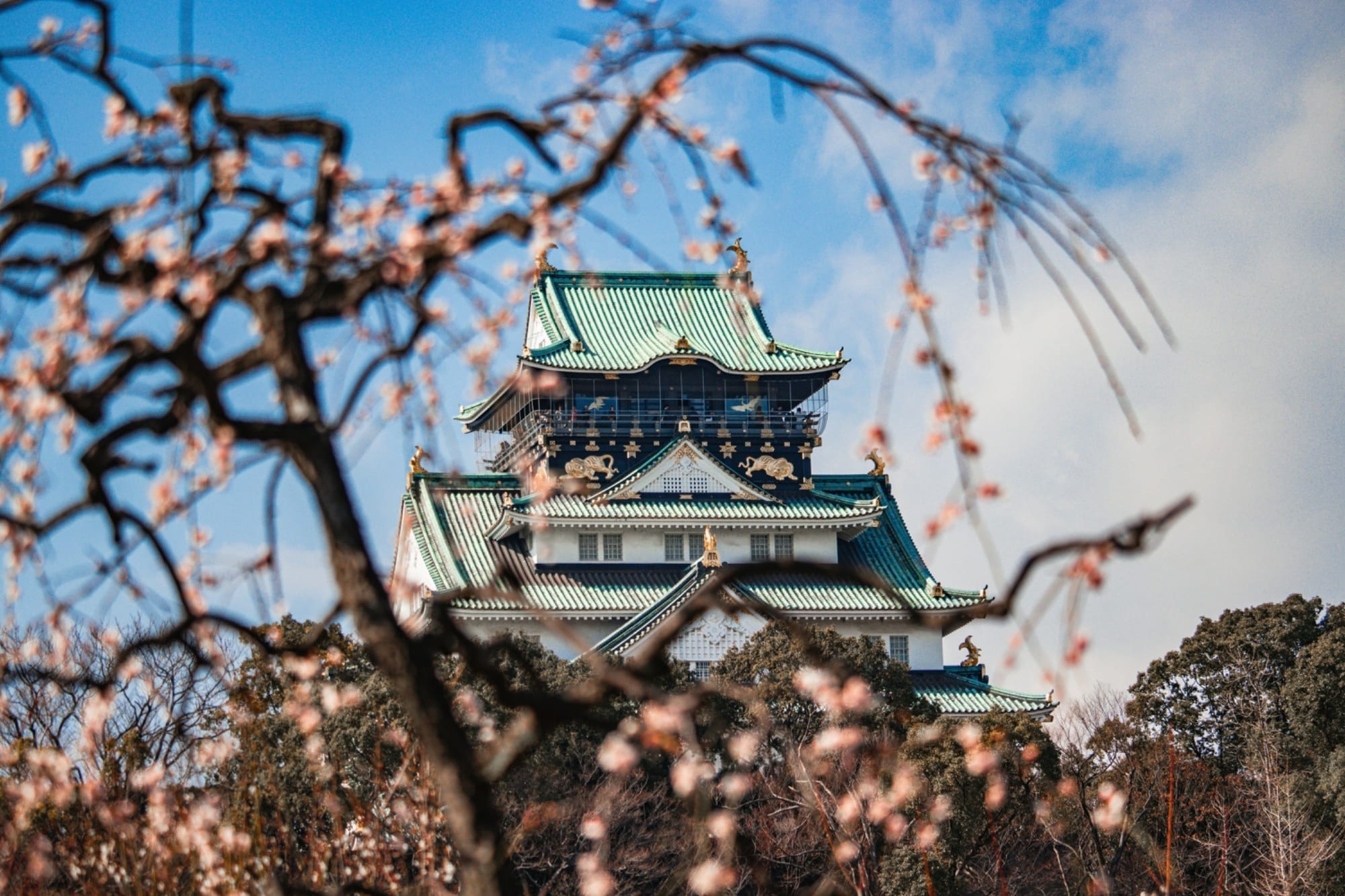
Historical sites remain important despite the city's modern appearance. Osaka Castle stands as one of the region’s most recognisable landmarks, providing insight into Japan’s feudal history while offering panoramic views of the surrounding cityscape. This combination of heritage and modernity defines much of Osaka’s appeal.
Kyoto’s Quiet Corners and Spiritual Heritage
A completely different atmosphere awaits in Kyoto. Once the imperial capital of Japan, the city preserves a remarkable collection of temples, shrines, and traditional neighbourhoods. Narrow lanes lined with wooden buildings create settings that feel far removed from the fast pace of nearby urban centres.
Many visitors are drawn to Kyoto’s Zen gardens, where carefully arranged stones, gravel, and vegetation encourage contemplation and reflection. These spaces demonstrate the importance of simplicity and balance within Japanese design traditions.
Early mornings are often considered the best time to explore popular areas, as the quieter streets reveal a more peaceful side of the city. Walking through temple grounds and historic districts allows travellers to appreciate details that might otherwise be overlooked during busier periods.
Gardens as Cultural Expressions
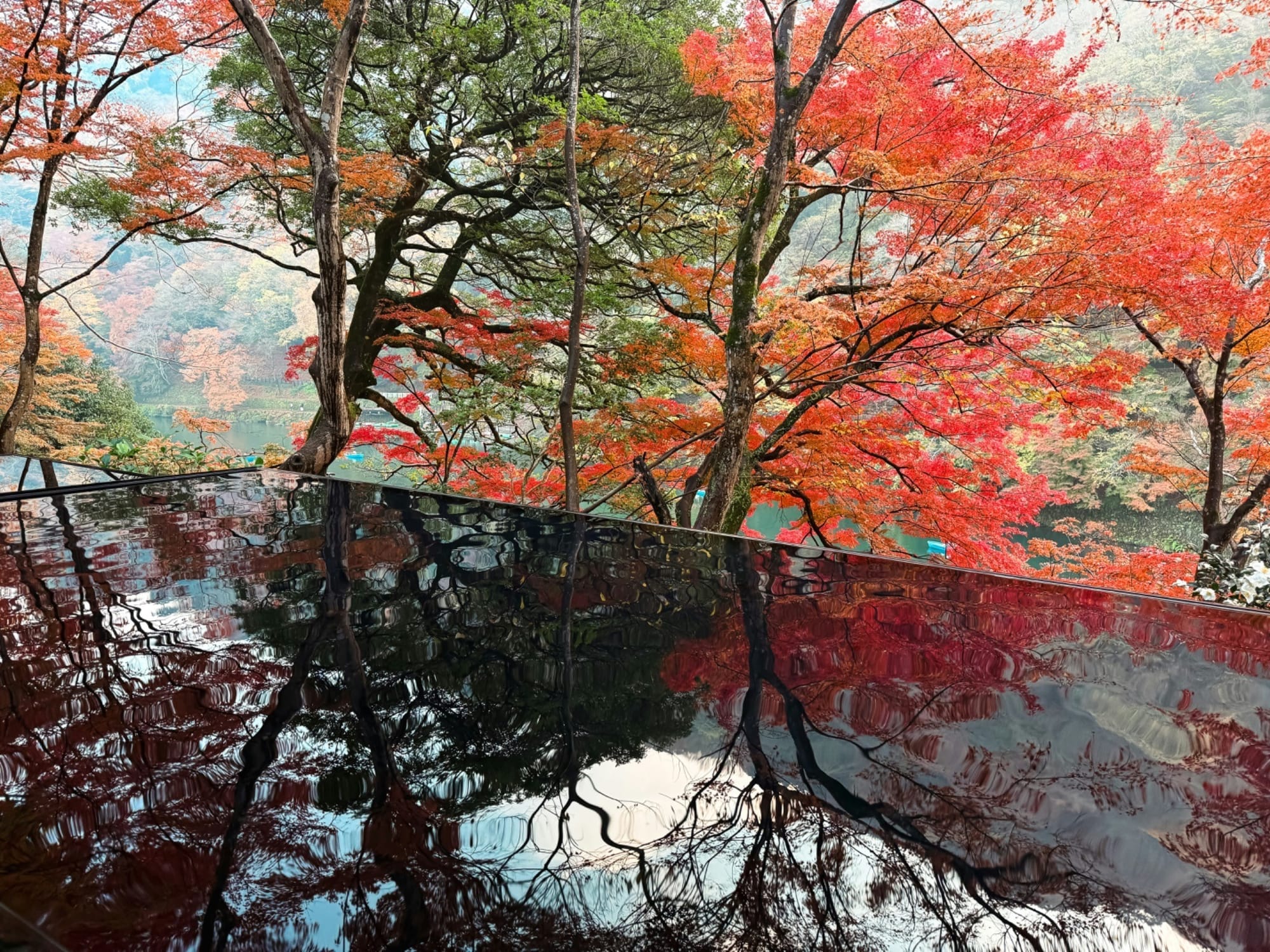
Throughout central Japan, gardens serve purposes that extend beyond simple decoration. They often reflect philosophical concepts, religious traditions, and aesthetic principles developed over centuries. Water features, stone arrangements, and carefully maintained vegetation combine to create environments designed for observation and contemplation.
Kyoto contains many of the country's most celebrated gardens, but smaller examples can also be found throughout the region. Seasonal changes dramatically influence their appearance, ensuring that each visit offers a unique perspective.
Spring introduces cherry blossoms, while autumn transforms many landscapes into displays of red, orange, and gold. Even winter brings a distinctive beauty as snow settles across carefully maintained grounds. The changing seasons are considered an integral part of the garden experience.
The Contrast of Tokyo
Although Osaka and Kyoto often dominate itineraries in central Japan, Tokyo provides another essential perspective on the country. Vast commercial districts, advanced technology, and densely populated neighbourhoods create an environment unlike any other.
Despite its size, the city contains numerous parks, shrines, and quiet residential areas that balance the intensity of the urban landscape. Visitors frequently discover that Tokyo offers both innovation and tradition, often within the same neighbourhood.
The capital also serves as a showcase for contemporary Japanese culture. Fashion, entertainment, and modern architecture contribute to a constantly evolving cityscape that contrasts sharply with Kyoto’s preserved historical districts.
Experiencing both environments within a single journey highlights the diversity that defines modern Japan.
Regional Cuisine and Everyday Experiences
Food forms an important part of travel throughout central Japan. Osaka is often referred to as the nation's kitchen due to its reputation for exceptional local dishes and street food. Markets, restaurants, and casual eateries provide opportunities to sample regional specialities prepared using local ingredients.
Kyoto offers a different culinary tradition, with many dishes reflecting the city's historical role as a cultural and religious centre. Presentation and seasonal ingredients frequently receive as much attention as flavour itself.
Dining experiences often become opportunities to engage more deeply with local customs and traditions. Whether enjoying a simple bowl of noodles or a carefully prepared multi-course meal, food helps reveal the character of each destination.
Seasonal Journeys Through Central Japan
Timing can dramatically influence the experience of travelling through the region. Cherry blossom season attracts visitors from around the world, while autumn foliage creates equally impressive scenery across parks, gardens, and mountain landscapes.
Summer festivals introduce vibrant celebrations featuring traditional performances and local customs. Winter brings quieter streets and a more reflective atmosphere, particularly around temples and historical districts.
Each season highlights different aspects of central Japan, encouraging travellers to return and experience familiar destinations from new perspectives.
Conclusion
From Osaka’s energetic streets and historic castle to Kyoto’s tranquil gardens and Tokyo’s modern skyline, central Japan offers remarkable variety within a relatively small area. Efficient rail connections make exploration effortless, while cultural traditions, seasonal beauty, and diverse urban experiences ensure that every stage of the journey remains memorable. For travellers seeking both heritage and contemporary life, few regions provide a richer combination of experiences.