


The Oslo Opera House has become the modern postcard of Norway’s capital, a sloping marble "iceberg" where visitors can walk up from the fjord to panoramic city views. Yet many first-time travelers are unsure how visiting actually works. Do you need a ticket just to get inside? How much do tours cost? When is the roof open, and what about accessibility or family visits? This guide brings together the latest practical information to help you plan a smooth and memorable visit in 2026.
Get the latest updates straight to your inbox!
Understanding What Requires a Ticket (And What Is Free)
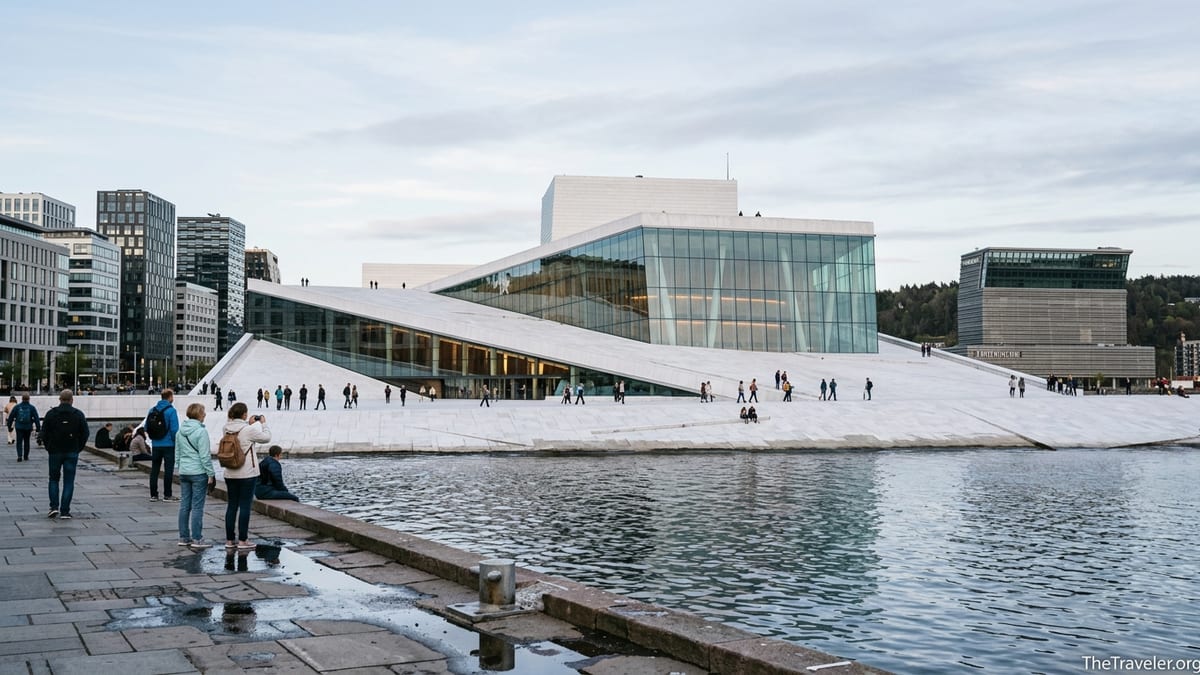
The single most helpful thing to know before you arrive at Oslo Opera House is that the building itself functions partly as public space. Walking on the sloping marble roof and entering the main foyer is normally free. You can step off the harbor promenade, stroll up the white stone ramps, explore the interior lobby and enjoy the fjord views without showing a ticket. Many cruise passengers and day trippers do exactly this for a short photo stop.
Tickets are only required for performances, selected special events and official backstage tours. If you simply want to see the architecture, stand on the roof and look into the wooden-clad foyer, you can treat the Opera House much like a public plaza. On a summer day you will see locals sitting on the marble with takeaway coffee, children running around the ramps and commuters cutting through the foyer as a shortcut between the station area and the harbor.
This makes the Opera House an excellent value for budget travelers. A half hour on the roof and in the lobby can be combined with a walk along the Bjørvika waterfront to the nearby MUNCH museum and the Deichman public library without spending anything beyond your metro ticket or airport train into central Oslo. If you want to deepen the experience, you can then add a ticketed performance or guided tour in the evening.
Because the building operates as both a cultural institution and a public attraction, access can sometimes be adjusted for safety, maintenance or large events. In winter, for instance, parts of the roof may be roped off when it is icy, even though the main entrance and foyer remain open. Staff on site can advise which areas are accessible on the day of your visit.
Current Opening Hours, Roof Access and Best Times to Visit
The marble roof of the Opera House is generally open year-round, functioning much like an outdoor plaza. Visitors often describe walking up the roof at sunrise in June or under the pink winter dusk in January as a highlight of their Oslo stay. While the roof is technically public space, access can be restricted temporarily in extreme weather such as heavy snow, ice or strong winds, when parts of the surface are considered unsafe. During such periods, you might see barriers set up on the steepest sections while lower terraces remain accessible.
Inside, the foyer and box office follow more conventional opening hours. Recent schedules show the foyer open from roughly late morning until late evening, commonly around 11:00 to 22:00 on weekdays and slightly shorter hours on Sundays. The box office usually closes earlier, in the mid afternoon, except on performance nights when it stays open through the last intermission. If you arrive in the morning and find only staff around, it is often because rehearsals are in progress; the foyer doors open later for the public. Plan your visit for midday or afternoon if you want to be certain you can walk both the roof and the interior public spaces.
The calmest times for sightseeing are typically early in the day on weekdays or in the hour before sunset outside the peak summer season. In July and August, late morning through mid afternoon can be crowded with tour groups and cruise excursions. Photographers often aim for golden hour on clear evenings, when the low sun warms the marble and reflects off the fjord. In winter, shorter daylight hours mean you may want to time your visit for the middle of the day to enjoy the views before it gets dark.
Practically, a quick visit that includes a stroll on the roof, a look around the foyer and a few photos usually takes 30 to 45 minutes. If you pair the Opera House with a walk over to the MUNCH museum or the harbor saunas, you can easily fill a full morning or afternoon in the Bjørvika neighborhood without ever getting on a tram.
Buying Performance Tickets: Prices, Seating and How to Book
Performance tickets cover opera, ballet and concerts staged by the Norwegian National Opera and Ballet. Prices are relatively good value compared with major houses in London or Vienna, especially considering the quality of productions. As of 2026, standard adult tickets often start in the approximate range of 250 to 300 Norwegian kroner for the least expensive seats toward the back or sides of the main auditorium. Prime seats close to the center of the stalls or in the best balcony rows can reach around 900 to 1,100 kroner for major productions, with particularly high-profile premieres sometimes priced above that.
Most visitors purchase tickets online in advance, particularly for weekend performances and well-known titles such as "La Traviata" or popular ballet programs. Same-day tickets may be available at the box office for less in-demand shows or for weekday performances outside school holidays, but relying on walk-up availability is risky if you only have a night or two in the city. If you are flexible about what you see, browsing the official program by date can help you spot less expensive options, such as chamber concerts, recitals or contemporary works that do not sell out as quickly.
Seating categories are clearly marked on the Opera House’s seating plans, with color codes for price levels. The main auditorium follows a traditional horseshoe layout, which generally provides strong acoustics even in higher balconies. For opera, many regulars prefer mid-level balcony seats where the sound blends well and sightlines to the surtitles are comfortable. Travelers on a tighter budget often choose side balcony or upper circle seats, trading a more angled view for lower prices while still enjoying the live orchestra and staging.
For visitors who require wheelchair spaces or companion seating, these tickets are usually booked through phone or email rather than standard online selection. The Opera House typically provides at least one free companion ticket for those who need assistance. If you are planning a visit during a busy festival period or around Christmas ballets, contacting the box office early can ensure appropriate seating and help with any questions about lifts, step-free entrances or accessible toilets.
Guided Tours: What You See, Languages and Typical Costs
Guided building tours offer a way to move beyond the public roof and foyer into spaces that are normally off-limits. On these tours, visitors may see the main stage up close, peek into the orchestra pit, walk through rehearsal rooms, view costume workshops or stand amid the complex machinery used for scene changes. For many travelers, this backstage perspective is the most memorable part of the Opera House visit, especially if they are interested in architecture, engineering or the performing arts.
The availability of tours varies by season and by performance schedule. In some periods, tours are offered several times per week in Norwegian and English, often lasting about one hour. At other times, such as busy production weeks, the number of tours may be reduced or paused. As of recent seasons, prices for standard public tours have generally fallen in the range of roughly 150 to 200 kroner per adult, with reduced rates for students and children. These figures can change, so it is wise to check the current program before you travel.
Booking in advance is highly recommended. Small group sizes mean that popular time slots, such as late morning or early afternoon tours on Saturdays, can sell out well ahead of time, especially in summer and during school holidays. If you are visiting Oslo on a cruise, coordinated shore excursions sometimes include a brief Opera House stop, but they rarely go backstage. If a tour inside the building is a priority, arranging it directly with the Opera House will give you more certainty and usually a richer experience.
For private groups, specialized architectural or technical tours may be arranged at higher rates, often tailored to professionals in design, acoustics or stagecraft. For example, a university architecture class might book a custom tour focusing on the concept of the building as a "glacier" rising from the fjord, the choice of materials such as white Italian marble and oak, and how the structure integrates public access with acoustic needs. Independent travelers usually find the standard tours sufficient, offering a broad overview that balances stories about the building with glimpses of backstage life.
Practical Visit Tips: Getting There, Facilities and Accessibility
The Opera House sits in the Bjørvika waterfront district, a short walk from Oslo Central Station. Arriving by train from Oslo Airport or another Norwegian city, you can reach the building on foot in about five to ten minutes by following signs to the harbor and then crossing the pedestrian bridge that leads toward the white sloping roof. City trams and buses stop near the station and along Dronning Eufemias gate, making the area easy to reach via public transport. Many visitors pair a visit here with a stroll through the nearby Barcode office towers and over to MUNCH, so comfortable shoes are useful.
Inside, the foyer offers restrooms, a cloakroom and food and drink options that change over time. At the time of writing, the Opera House typically hosts a brasserie-style restaurant and bars that serve coffee, wine, light meals and snacks before performances and during intermissions. Prices reflect Oslo’s generally high cost of living: a glass of wine or a simple hot dish can cost the equivalent of a casual restaurant meal elsewhere in Europe. Travelers on a budget often enjoy a coffee or pastry inside, then opt for more affordable meals at cafes and food halls near the central station.
Accessibility is generally strong. The main entrances are step-free, and the roof is designed with gently sloping ramps that many wheelchair users can navigate, though the marble surface can be slick when wet. Inside, lifts connect the foyer with balcony levels, and accessible toilets are signposted. The Opera House maintains a small number of manual wheelchairs for visitor use, typically available from the cloakroom. For those attending performances, designated wheelchair seating areas offer good sightlines, and staff are accustomed to assisting with access questions and companion seating arrangements.
Families with children will find the Opera House relatively relaxed during daytime hours. Strollers can be brought into the foyer, and the roof is a popular place for kids to run around under supervision. Because of the open water and the hard marble surfaces, close attention is important, particularly with younger children. For performances, standard theater etiquette applies, and age recommendations may be listed for specific productions. Combining a short roof walk with a visit to the child-friendly Deichman library or the harbor playgrounds nearby makes for an easy family half day in central Oslo.
Planning Your Visit With Nearby Attractions and Seasons in Mind
The Opera House does not exist in isolation. It anchors a broader redevelopment of the Bjørvika waterfront, which also includes the MUNCH museum, the Deichman public library and several harbor promenades and bathing areas. Many visitors find it efficient to cluster these sights in a single day. A realistic plan might be to walk the roof in the late morning, take a short break for coffee in the foyer, then continue along the waterfront to MUNCH for an afternoon focusing on Edvard Munch’s paintings, including versions of "The Scream". On warm days, some travelers finish with a dip in the nearby harbor baths or an evening drink at one of the outdoor bars overlooking the fjord.
Seasonal changes significantly affect the feel of the Opera House visit. In summer, long daylight hours allow late evening roof walks under pastel skies, with locals sunbathing on the marble and paddleboarders moving across the fjord below. In winter, snow can transform the building into what looks like a continuation of the surrounding ice, and darkness falls early, so the warm glow from inside the foyer becomes part of the attraction. Spring and autumn offer a mix of quieter crowds and more moderate temperatures, ideal for those who prefer fewer people on the roof and in the foyer.
Weather in Oslo can be changeable in any season. Even in July, wind coming off the fjord can be cool on the exposed roof. Visitors who arrive straight from a warm city center cafe are sometimes surprised by how quickly they feel cold when standing still on the marble. A light jacket or windbreaker, and shoes with decent grip, make roof walks more comfortable and safer. In rainy weather, the roof surface can be slick and some visitors choose to enjoy the building from below or from the foyer windows instead.
If you are staying multiple days in Oslo, check the Opera House program shortly before your trip. You may find that a rehearsal is open to the public, a free pre-performance talk in Norwegian is offered, or a special concert is added while you are in town. These occasional extras can turn a basic visit into a more immersive cultural experience without dramatically increasing your costs.
The Takeaway
Visiting the Oslo Opera House is far more flexible and affordable than many travelers expect. The roof and main foyer act as public spaces, welcoming anyone who wants to climb the marble "glacier", admire the architecture and soak in views of the Oslofjord. Tickets become necessary only when you move deeper into the building for performances or guided tours, which are reasonably priced by European opera standards and can often be booked online before you arrive.
By understanding current opening hours, typical ticket ranges and how tours work, you can adapt the Opera House to almost any style of trip. Budget-conscious visitors can enjoy a memorable free visit paired with a waterfront walk, while culture lovers can invest in a backstage tour or an evening at the opera or ballet. Strong accessibility, easy public transport connections and a cluster of nearby attractions in Bjørvika make it simple to slot the Opera House into a short city break or a longer Norwegian itinerary.
Whether you have half an hour between trains or a full weekend to immerse yourself in Oslo’s cultural life, planning ahead for tickets and timing will help you experience the Opera House at its best. With realistic expectations about costs, weather and crowds, your time on its sloping roof or in its warm wooden auditorium is likely to become one of your lasting memories of Norway’s capital.
FAQ
Q1. Do I need a ticket to walk on the roof of the Oslo Opera House?
Normally you do not need a ticket. The roof is treated as public space and is free to access, though parts may close temporarily in bad weather or during maintenance.
Q2. How much do opera or ballet tickets usually cost?
Prices vary by production and seat, but many standard tickets fall between about 250 and 1,100 Norwegian kroner, with cheaper seats high or to the sides and premium seats in the center areas.
Q3. Where is the best place to buy official tickets?
The safest way is through the Opera House’s own ticketing channels, either online or at the box office. This avoids inflated prices or hidden fees sometimes found on unofficial resellers.
Q4. Are there guided tours inside the Opera House?
Yes, when the schedule allows, one-hour guided tours are offered in selected languages, often including Norwegian and English. They usually visit backstage areas and have a separate ticket cost.
Q5. Can I visit the foyer without seeing a performance?
Yes. During public opening hours you can enter the foyer freely, use the cafe or bar, look at the architecture and view the harbor through the large glass walls, even without a performance ticket.
Q6. Is the Oslo Opera House accessible for wheelchair users?
Generally yes. There are step-free entrances, lifts to auditorium levels, designated wheelchair seating and accessible toilets. The roof has ramps, though the marble can be slippery in wet or icy conditions.
Q7. How long should I plan for a visit?
A brief visit that includes a roof walk and a look inside the foyer can take 30 to 45 minutes. Adding a guided tour or evening performance extends your time to two or three hours or more.
Q8. What is the easiest way to get to the Opera House from central Oslo?
From Oslo Central Station it is usually a five to ten minute walk following signs to the harbor and crossing the pedestrian bridge toward the distinctive white sloping building on the waterfront.
Q9. Can I take photos inside the Opera House?
Photography is generally allowed on the roof and in the foyer for personal use. During performances, photos and video are normally prohibited inside the auditorium, and flash photography may be restricted in some areas.
Q10. Is it worth visiting the Opera House if I am on a tight budget?
Yes. Walking the roof, exploring the foyer and enjoying the views are free, and you can combine the visit with other low-cost attractions nearby, making it a strong choice for budget-conscious travelers.