


More news on this day
Panama’s main international gateway, Tocumen International Airport in Panama City, is steadily resuming operations after a powerful earthquake triggered closures, repeated safety inspections and widespread disruption for passengers across the region.
Get the latest news straight to your inbox!
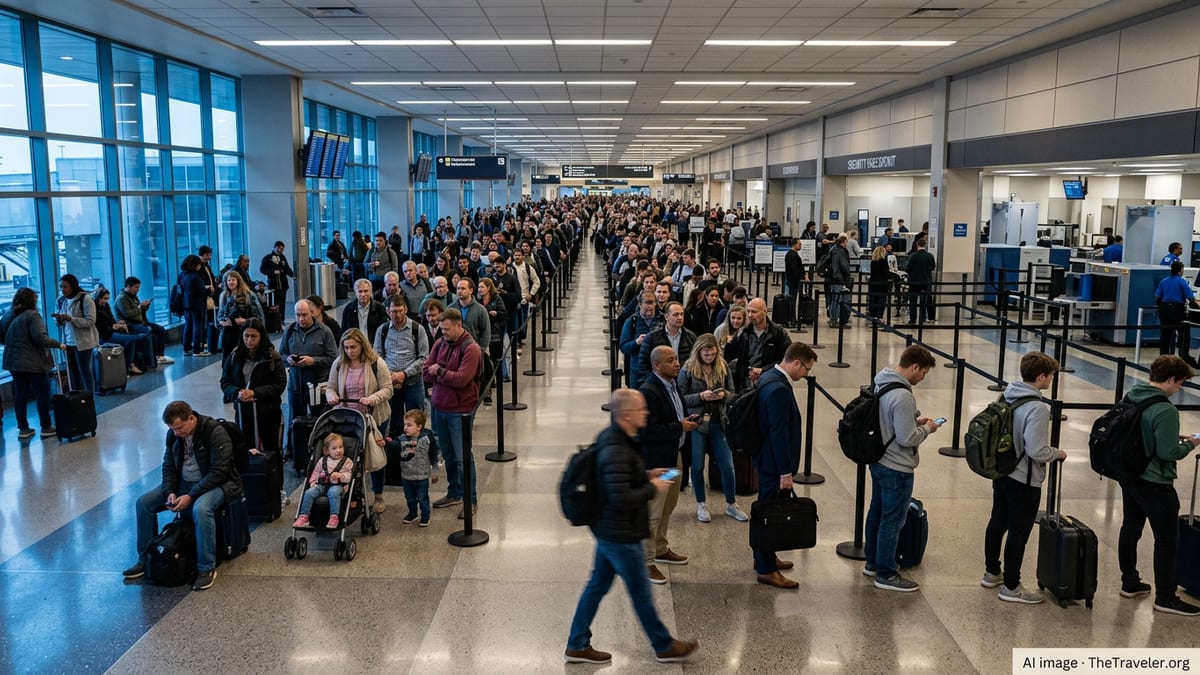
Flights resume after shutdown triggered by 7.7 quake
Publicly available seismic data and regional media coverage indicate that a magnitude 7.7 earthquake struck Panama around midday on Friday 9 October 2026, shaking large parts of the country and prompting automatic safety protocols at transport hubs. Tocumen International Airport, which serves as Panama’s primary international gateway and a major regional hub, temporarily suspended takeoffs and landings while terminal areas were evacuated.
Initial advisories from airport operators described a full halt in commercial operations while runways, taxiways, the control tower and terminal structures were checked for structural damage or foreign objects. Traffic bound for Panama City was diverted to airports in neighboring countries, with some flights reported as rerouted to Costa Rica and other regional gateways as the situation evolved.
By late Friday and into the weekend, airport statements and local news reports described a phased resumption of activities once engineers and safety teams cleared critical infrastructure. Landings and departures restarted on a limited basis, but remained subject to interruption when strong aftershocks required new rounds of inspections.
As of Monday 12 October, information from airport bulletins and aviation industry outlets indicates that Tocumen is now operating close to normal schedules, while retaining enhanced monitoring and contingency procedures in case of further seismic activity.
Rolling safety checks keep aftershock disruptions in place
Following the main earthquake, Panama’s civil protection services documented a series of aftershocks affecting central provinces and the capital region. Tocumen’s management responded by keeping safety protocols active, including the possibility of pausing runway use whenever new tremors are felt.
Airport communications reviewed by regional media note that each significant aftershock can trigger a short suspension of takeoffs and landings while inspection teams verify runway surfaces, taxiways, parking aprons and passenger facilities. Operations resume only after these reviews confirm that pavement and structures remain free of visible damage or debris.
National news coverage in Panama describes these measures as precautionary rather than a reaction to specific structural failures, with multiple outlets reporting that no major damage has been detected in the terminal complex or runways. Nonetheless, the combination of repeated checks and residual seismic activity has contributed to a pattern of rolling delays for both arriving and departing flights.
Industry-focused reports add that the airport’s operations center continues to coordinate closely with air traffic control and ground services, maintaining heightened surveillance while working to protect on time performance as the hub recovers.
Thousands of passengers face delays, diversions and missed connections
Tocumen’s role as a regional hub means that disruptions ripple quickly through airline networks. Publicly available flight tracking data and airline advisories over the weekend indicated dozens of cancellations and diversions on routes linking North and South America and the Caribbean after the initial closure.
Coverage from regional news agencies describes travelers stranded at Tocumen itself as well as at outstations across the Americas, where aircraft and crew rotations were affected by the Panama shutdown. Online traveler forums and social media posts referenced long waits at gates, extended lines at customer service desks and overnight stays while airlines worked to rebook passengers.
Panama based carriers, including major hub operator Copa Airlines, have issued customer notices outlining options such as fee waivers for itinerary changes, rebooking on later flights when seats become available and, in some cases, rerouting via alternate airports. Some airlines have encouraged travelers to check in earlier than usual and to monitor digital channels closely for last minute gate or schedule changes.
Information published by local outlets in Panama City indicates that while the bulk of stranded passengers are now being accommodated on rescheduled services, residual backlogs remain on certain high demand routes. Travelers connecting through Panama to North American or South American destinations are being advised to allow additional time for transfers and to verify minimum connection times with their carriers.
Airport infrastructure passes inspections but heightened vigilance remains
Statements released by Tocumen’s operating company and summarized in Panamanian media report that engineering teams carried out detailed inspections of both runways, the control tower, jet bridges and terminal structures after the 9 October quake. According to these accounts, no structural damage has been identified that would prevent normal use of the facilities.
Reports from local newspapers note that airport operators are requesting additional reviews from national civil protection and engineering bodies as a follow up measure. The goal is to confirm initial findings and provide reassurance to both airlines and passengers that the terminal can safely support full scale operations while aftershocks continue.
Airport communications also highlight internal drills and contingency planning that were in place before the event, including evacuation procedures for terminal buildings and protocols for coordinating with emergency services. The recent earthquake has effectively activated these plans in real conditions, offering operational data that may inform future updates to emergency response manuals.
While the main airport is resuming activity, transport and tourism observers in Panama are tracking potential secondary impacts on regional travel demand. The earthquake caused damage in several interior provinces, and assessments of broader infrastructure, including some roads and accommodations in affected areas, are still under way.
What travelers with upcoming flights through Panama should know
For travelers scheduled to transit through Panama City in the coming days, publicly available information from airlines and airport channels points to a generally improving situation at Tocumen, albeit with a continued risk of delays linked to aftershocks and aircraft repositioning.
Airlines are urging passengers with imminent departures to monitor flight status closely via mobile apps, text alerts and airport information displays, rather than relying solely on printed itineraries issued before the earthquake. Many carriers are also allowing one time changes for affected tickets within specified travel windows, which can give travelers flexibility to adjust plans if disruptions persist.
Passenger guidance shared in local coverage recommends arriving at the airport earlier than usual for international flights, allowing extra time for check in, security screening and potential congestion at immigration counters. Travelers on tight connections through Panama City may wish to discuss longer layovers with their airlines until operations have fully stabilized.
Tourism analysts note that Tocumen’s recovery is a critical factor for Panama’s wider visitor economy, given the airport’s role as a connection point between North and South America. As inspections confirm the integrity of key infrastructure and schedules continue to normalize, attention is likely to shift from immediate disruption to lessons learned about resilience and crisis management at one of the region’s busiest hubs.