


Paris has a reputation for being one of the most expensive cities in the world, yet many visitors are surprised by what actually drains their budget and what quietly offers good value. The truth is that Paris is not uniformly pricey so much as it is uneven, with sharp contrasts between tourist traps and everyday local life. Understanding that gap is the key to feeling in control of your spending instead of feeling ripped off on every corner.
Why Paris Feels Expensive At First
For many travelers, the sense that Paris is shockingly expensive starts the moment they begin searching for a hotel. Average rates for a standard double room in central areas can easily run from about €170 to €250 per night outside peak events, and in high summer or during major trade shows that average can climb well above €300. Premium districts close to the Louvre or along the Champs Élysées often sit even higher, so the first impression of the city is shaped by accommodation costs that really are among Europe’s steepest.
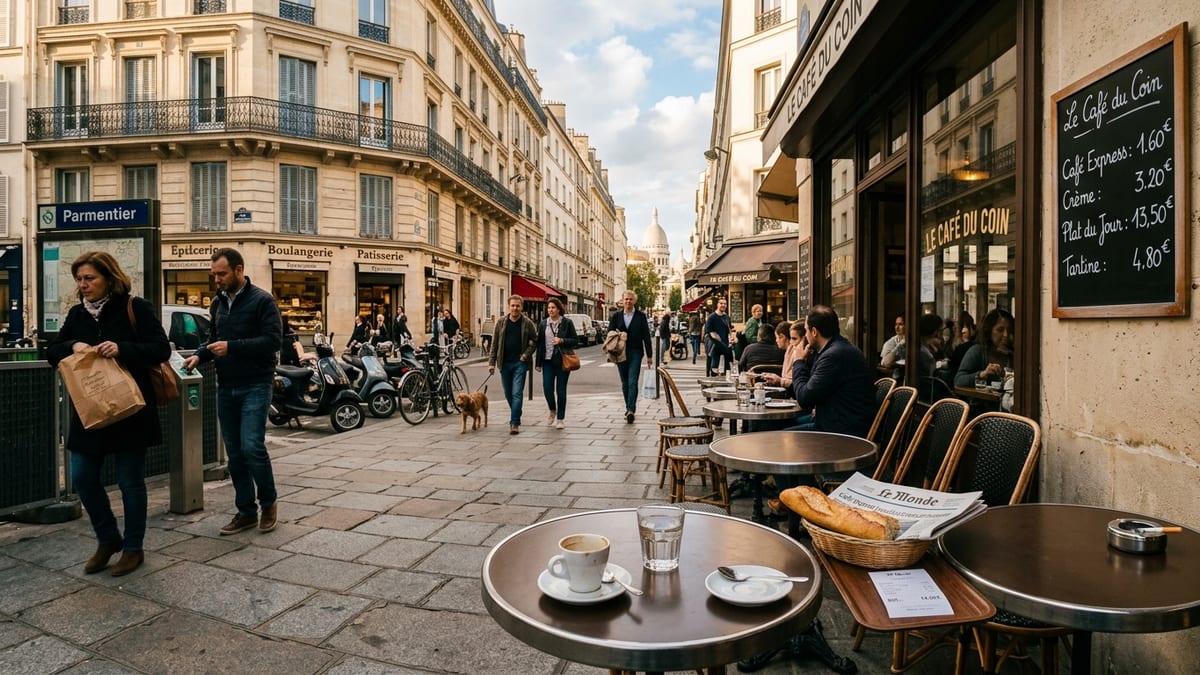
The sticker shock continues when visitors arrive and their first meals happen to be on busy squares or near major sights. Paying €5 for a small coffee on a terrace facing Notre Dame or €18 for a very ordinary omelet in the Latin Quarter can immediately confirm the idea that Paris is overpriced. Add to that the perception of small portions, an unfamiliar tipping culture and a service charge that is already built into the bill, and people often feel they are paying more for less without really understanding why.
Transportation can add to that feeling at the start of a trip. A single metro or RER ticket within the city now typically costs around €2.50 for a journey, which is not extreme by big city standards, but airport transfers on dedicated buses or trains quickly add €13 or more per person each way. When you compare that to a low advertised flight fare you might have paid to reach Paris, it is easy to feel as though the local costs are out of proportion.
The city’s headline attractions also color expectations. Hearing that a standard adult ticket to the Louvre is now in the low thirties in euros, or that a visit to the Eiffel Tower with summit access can run past €30 per person, primes people to think in terms of big numbers long before they notice what locals actually pay for their everyday lives. It is only when travelers venture away from that narrow corridor of marquee experiences that the picture becomes more balanced.
What Actually Costs More Than Expected
Accommodation is the single item that most reliably blows up a Paris travel budget. Recent hotel data shows that in peak months the average daily rate across the city can surpass €250, with four and five star properties in central arrondissements climbing toward €400 or more. Even modest three star hotels in sought after neighborhoods like Saint Germain or the Marais often price between €180 and €260, especially when booked close to arrival. For travelers used to cheaper rooms in other European capitals, there is no way around the fact that beds in Paris command a premium.
Cafés and restaurants in heavily touristed pockets come next on the list of things that feel disproportionately expensive. A simple café crème ordered at a terrace on the Champs Élysées can cost €6 to €7, while a soft drink might be €5 in front of the Eiffel Tower. In these locations a basic main course can easily reach €24 to €30 without being particularly memorable. Visitors who spend most of their time in these areas understandably leave with the impression that Parisian dining in general costs a fortune.
Transport linked to convenience rather than necessity can also surprise people. Taking a taxi from Charles de Gaulle airport into central Paris often lands between €55 and €65, while app based cars can fluctuate even higher at busy times. A short ride across the city in a cab can cost €15 for a journey that would have been roughly €2.50 on the metro. Similarly, sightseeing buses and hop on hop off services might charge €40 or more per adult per day, even though most of their routes trace the same streets the public buses and metro cover for a fraction of the price.
Major attractions and special experiences can be another source of unexpected cost. A standard adult ticket to the Louvre is now in the low thirties in euros for many foreign visitors, and prebooked skip the line slots from resellers typically add another €10 or more on top. Climbing the Eiffel Tower with summit access can approach or exceed €30 per person, and guided evening river cruises with drinks can range from €25 for a basic cruise to €80 or more for dinner on board. None of these prices are unreasonable for a once in a lifetime highlight, but stacking several such experiences into a short stay can quickly inflate the overall perception of Paris as a wallet draining destination.
Where Paris Offers Real Value
Once you step away from the most obvious hotspots, Paris starts to reveal prices that are far closer to those of other Western European cities, and sometimes lower. Local bakeries are one of the best examples. A fresh croissant from a neighborhood boulangerie typically costs from €1.30 to €1.70, and a hearty baguette sandwich made to order is often around €5 to €7. For a light lunch, two people can walk out of a bakery with sandwiches, pastries and a shared drink for less than €20, which is dramatically cheaper than sitting down in a café on a tourist square.
Neighborhood bistros and simple brasseries that cater mostly to residents rather than tour groups also offer good value compared to their central counterparts. In non touristy streets of the 11th, 12th or 14th arrondissements, it is still common to find a fixed price lunch menu with a starter and main course for around €18 to €22. A glass of house wine may be €4 to €6, and tap water is always free when requested. At dinner, a three course menu in a local restaurant can fall in the €28 to €35 range, which is similar to or cheaper than what many travelers pay at home for a weekend night out.
Public transport is another area where Paris offers real value once you understand how to use it. The integrated metro and RER network covers nearly every part of the city, and the flat fare ticket from 2025 means that a journey within the region on metro or RER commonly costs about €2.50 regardless of distance, excluding airport surcharges. Frequent users can load passes onto a Navigo card, with daily caps that make multiple trips in one day significantly cheaper than paying each ride separately. Compared with taxi fares or rideshare surges, the savings over a multi day stay are substantial.
Cultural institutions also deliver more value than many visitors assume when they look beyond headline prices. The Paris Museum Pass, for example, bundles entry to dozens of museums and monuments across the city for a fixed price over two, four or six days. While the exact cost fluctuates, it can bring down the per museum rate dramatically if you plan to visit two or more sites most days, especially when you include big ticket places like the Louvre, Musée d’Orsay, Sainte Chapelle and the Arc de Triomphe. In addition, many museums are free for visitors under 18, and European residents aged 18 to 25 benefit from wide ranging free access, which can make Paris a very economical cultural destination for younger travelers.
Why Tourists Get The Pricing Wrong
One reason visitors misjudge the cost of Paris is that they unconsciously benchmark it against cheaper leisure destinations rather than against comparable world cities. Someone who just paid €40 for a week of beachside dinners in Southeast Asia will inevitably feel that €25 for a simple main course in Paris is outrageous, even though the same dish in New York or London might cost at least as much. Without adjusting the mental frame to “global capital” rather than “holiday bargain,” Paris easily looks overpriced.
Cultural expectations around service and tipping also play a role. In France, service is built into menu prices, and tipping is considered optional and modest. Many travelers from North America are used to adding 15 to 20 percent to every restaurant bill, and they sometimes continue doing that in Paris out of habit or confusion. When you add a full American style tip on top of prices that already include service, the meal immediately feels punishingly expensive. In reality, leaving a euro or two for good service in a café, or rounding up the bill slightly at a bistro, is perfectly acceptable and standard.
Portion size and dining style can further skew perception. Traditional French meals are often structured around multiple smaller courses rather than one oversized main, and the emphasis is on quality ingredients and time at the table instead of sheer volume. A visitor who expects a single massive plate piled high with food might interpret a well balanced but modestly portioned dish as unworthy of its price tag. When you see lunch as an event that might come with bread, perhaps a starter, a thoughtfully prepared main and a dessert or coffee, the overall value becomes clearer.
Finally, information gaps about everyday options make many tourists overspend. New arrivals ride the airport bus sold near baggage claim instead of the regular RER train because they do not know it exists. They buy expensive bottled water rather than refilling reusable bottles at the city’s public fountains, which often dispense both still and sparkling water for free. They may assume they need to sit down in a café for breakfast, when every street has a bakery selling coffee and pastries at a fraction of the price. None of these choices are wrong, but they reflect convenience and habit more than an unavoidable cost of being in Paris.
What A Realistic Daily Budget Looks Like
To understand what Paris really costs, it helps to picture an ordinary day using a mix of typical local and tourist habits. Imagine a couple staying in a midrange hotel in the 11th arrondissement, paying about €190 per night including taxes in shoulder season. They start their morning at a nearby bakery, picking up two croissants and two coffees to go for around €10. Using a contactless transport pass, they take two metro rides each during the day, which works out to roughly €10 to €12 total in daily capped fares.
For sightseeing, they choose one major museum in the morning and one smaller site in the afternoon. If they hold a museum pass bought for several days, their per day cultural spending might average €25 to €30 per person, or a bit less if they mix paid entries with free attractions like parks and riverfront walks. Lunch is a fixed price menu at a local bistro, perhaps €20 per person for two courses and tap water, making the midday meal around €40 for both. In the late afternoon, they stop for coffee and a shared pastry on a terrace away from central squares, adding another €12 or so.
Dinner could easily be the most flexible part of the budget. If they dine in a casual neighborhood restaurant with a three course menu at €30 per person and share a €20 bottle of wine, the evening might come out to around €80. On another night they may opt for takeaway crêpes or falafel and a bottle of supermarket wine back in the room, cutting dinner costs to under €30 total. Averaged across several days, their combined food spending could reasonably land between €70 and €90 per day for two without feeling deprived.
When you pull these threads together, a realistic daily budget for a couple in Paris often shakes out in the €250 to €350 range, including accommodation, local transport, food and a couple of paid attractions. Travelers staying in simpler lodgings such as private rooms in guesthouses or outlying districts can push that lower, while those favoring four star hotels in central neighborhoods and frequent taxis will easily double the figure. The important point is that Paris is not automatically a €600 per day destination for everyone; it becomes that expensive when convenience and location are consistently chosen over local style and value.
The Takeaway
Paris is frequently labeled as unaffordable, but that verdict hides a more complicated reality. Certain elements of a trip, particularly accommodation in popular districts and convenience driven choices like taxis or tourist cafés, are undeniably costly by any standard. If most of your short stay is spent inside that narrow band of experiences, it is natural to come away convinced that the city is out of reach for normal travelers.
The on the ground reality, however, shows that much of everyday Paris operates at prices that are similar to or even lower than those in other major Western cities. Bakeries, local bistros, public transport and well structured museum passes can all deliver strong value, especially when you are willing to walk a couple of extra blocks away from the most photographed corners. With a realistic sense of what deserves a splurge and what does not, visitors can design trips that feel generous rather than stressful without ignoring the fact that some items really are expensive.
Ultimately, the truth about prices in Paris is not that the city is cheap or extortionate, but that it rewards informed choices. Travelers who arrive armed with a clear understanding of local pricing, cultural norms and the difference between tourist markup and everyday cost are far less likely to feel tricked by their bills. Instead, they are more likely to remember that a world class art museum, a crusty baguette sandwich and a quick metro ride together can cost less than a forgettable snack in many airports, which is its own kind of luxury.
FAQ
Q1. Is Paris really more expensive than other major European cities?
Paris is generally among the more expensive cities in Europe, especially for hotels in central locations, but many everyday costs such as bakery items, public transport and simple bistro lunches are comparable to places like London or Amsterdam and sometimes cheaper, so the answer depends heavily on where you stay and how you spend.
Q2. How much should I budget per day for a trip to Paris?
A typical midrange traveler who stays in a three star hotel, uses public transport, eats at a mix of bakeries, neighborhood bistros and a few special dinners, and visits one or two paid attractions daily might realistically spend between €125 and €175 per person per day, while budget conscious visitors willing to stay farther from the center and self cater some meals can bring that down.
Q3. Are restaurants in Paris always expensive?
Restaurants in very central, tourist heavy areas often charge premium prices, especially on famous boulevards and around major sights, which makes it feel as if all Parisian dining is costly, but once you step into residential neighborhoods or look for fixed price lunch menus, it is quite possible to eat well for €18 to €25 for a midday meal and €28 to €35 for a three course dinner in many local spots.
Q4. Is the Paris Metro good value compared with taxis and rideshares?
The metro and RER offer strong value because a single ticket within the network usually costs about €2.50 and daily spending can be capped with passes, so even after several journeys you rarely spend more than the price of a short taxi ride, whereas taxis and rideshares are convenient for late nights or heavy luggage but can cost €15 for a quick cross town trip or around €60 from the airport.
Q5. Are the big museums like the Louvre and Musée d’Orsay worth the ticket price?
The headline ticket prices for top museums can seem high at first, with the Louvre in the low thirties in euros for many foreign visitors and Musée d’Orsay in the mid teens, but the collections are on a scale that can fill an entire day, and when you factor that in, along with options like the museum pass that reduce the per museum cost if you visit several institutions, most travelers find that cultural spending delivers strong value relative to time and experience.
Q6. How can I avoid overpaying for food and drinks in Paris?
You can keep costs under control by using bakeries for breakfast and light lunches, seeking out fixed price lunch menus in local bistros, ordering tap water instead of bottled in restaurants, and avoiding sitting down at cafés directly on major squares or under the Eiffel Tower where terrace prices are often far higher than cafés only a few side streets away.
Q7. Do I need to tip in Paris like in the United States?
Service is already included in restaurant and café prices in France, so there is no expectation of a large percentage tip; locals often leave loose change or round up the bill slightly for friendly service, which might mean adding one or two euros on a simple café bill or a few euros on a full dinner rather than the 15 to 20 percent that is common in North America.
Q8. Is staying in the city center worth the higher hotel prices?
Staying in the very center can be worth the cost if your time is short and you prioritize walking to major sights, but hotels in slightly outlying districts that are still inside the ring of the metro often cost noticeably less while remaining only a 10 to 20 minute ride from most attractions, so many travelers find a compromise by booking in neighborhoods with good transport links rather than directly beside landmarks.
Q9. Can Paris be done on a tight student or backpacker budget?
Paris can be surprisingly manageable for students or backpackers who are flexible about accommodation and focus on everyday local options, using hostels or budget hotels outside the most central districts, buying picnic supplies from supermarkets and open air markets, taking advantage of free museum entry days or age based discounts and exploring the city on foot combined with metro rides, which can keep daily costs to a level similar to other Western European capitals.
Q10. When is the cheapest time of year to visit Paris?
Generally, visiting in late winter or early spring outside major events, or in late autumn after the peak of the summer and early fall season, leads to lower hotel rates and less pressure on reservations, which helps reduce overall costs even though everyday prices for food, transport and attractions remain fairly stable throughout the year.