


Flexible “buy now, pay later” options have moved from fashion checkouts into the world of flights and hotels, and PayPal Pay Later is now one of the most visible choices on major booking sites. For travelers, it can make an international trip feel suddenly affordable, spreading the cost of a big purchase over several months. But it can also be confusing, with different plans, interest charges, and potential fees if your budget goes off track. Here is a clear, traveler-focused guide to what PayPal Pay Later actually does, how it shows up when you book, and when it can be useful or risky for your next trip.
Get the latest updates straight to your inbox!
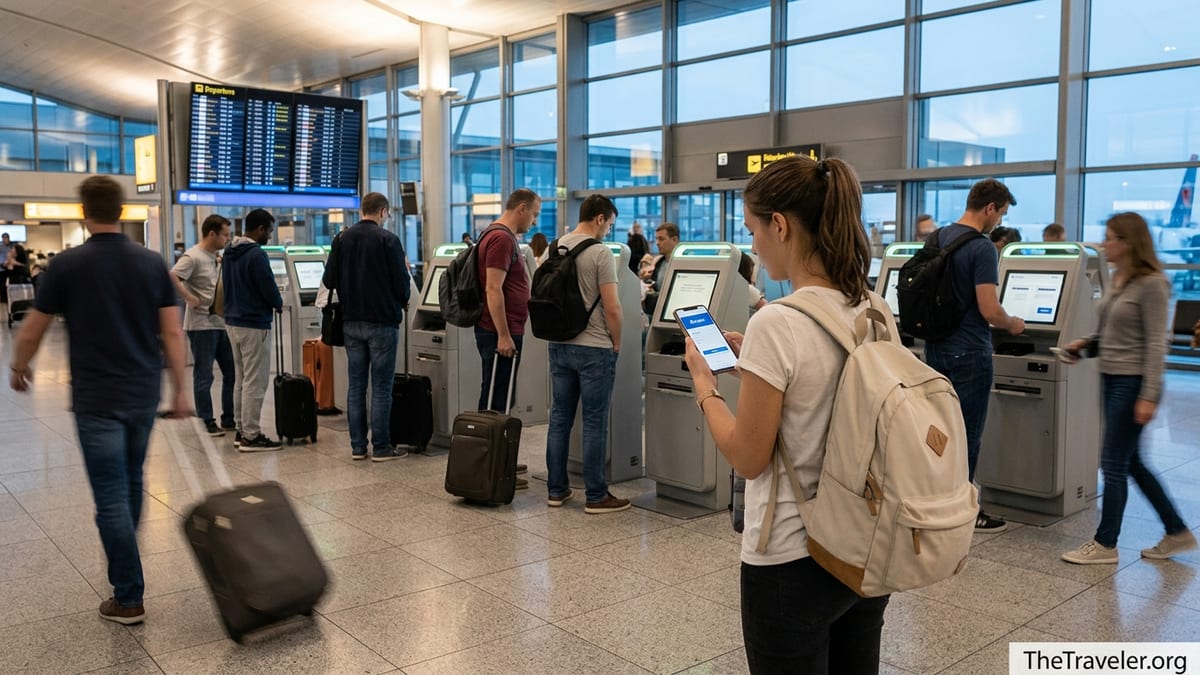
What PayPal Pay Later Actually Is
PayPal Pay Later is an umbrella term for several short to medium term installment products that PayPal offers at checkout. Instead of paying the full cost of your trip upfront, you agree to split it into smaller payments over time. In the United States, the most common options you will see when booking travel are Pay in 4, Pay Monthly, and in some cases longer term installment plans handled by a partner lender. All of them require that you already have a PayPal account in good standing and that PayPal approves you for the specific purchase amount at checkout.
With Pay in 4, typical for smaller purchases, you pay 25 percent at checkout and the rest in three equal payments every two weeks, for a total of four payments over about six weeks. For example, if a roundtrip domestic flight from New York to Miami costs 260 dollars, you might pay 65 dollars immediately when you book on a site that offers PayPal Pay Later, then three more payments of 65 dollars over the next six weeks. For larger purchases like international flights and resort stays, PayPal may instead present Pay Monthly or similar installment options, which can stretch repayment over 6 to 24 months and may charge interest.
The key point for travelers is that PayPal Pay Later does not change the airline ticket or hotel rate itself. It changes how you pay that amount in the background. The airline or hotel is paid in full soon after booking, and your obligation shifts from the travel company to PayPal and its lending partners. Your trip goes ahead as normal as long as the booking is confirmed. Your ongoing payments happen directly between you and PayPal.
Where Travelers See PayPal Pay Later at Checkout
PayPal Pay Later has been integrated into many popular travel booking flows that accept PayPal. When you book a flight or hotel on major online travel agencies, airline websites, or vacation rental platforms, you may see a button labeled something like “PayPal Pay Later,” “Pay in 4 with PayPal,” or “Monthly payments with PayPal.” This appears at the payment step alongside credit card fields and standard PayPal checkout. Clicking it triggers a quick approval screen inside your PayPal account.
Imagine you are booking a week in Lisbon from the United States. On a large travel booking site, your package of roundtrip flights plus a central apartment might come to 1,850 dollars. At payment, you select PayPal as your method. After logging in, PayPal shows that you are eligible for PayPal Pay Later and offers two options: Pay in 4, which might not be available at that high amount, and a Pay Monthly style plan where you could divide the total into 12 payments. You see an estimated monthly payment, for example around 170 to 175 dollars per month plus any applicable interest, and an estimated payoff date one year from now.
The same can happen on airline websites. A traveler booking a 900 dollar economy ticket from Los Angeles to Tokyo might select PayPal at checkout and see Pay Later options for that ticket alone. On a vacation rental platform, PayPal Pay Later may be available for an entire stay, such as a 1,200 dollar long weekend cabin booking in Colorado. In each case, approval is fast, often under a minute, and based on a soft credit check. The process is designed to feel similar to using your regular PayPal balance or connected card, but with the payment schedule clearly shown before you confirm.
The Main PayPal Pay Later Options for Travel
For travel purchases, PayPal’s most visible Pay Later products work in broadly similar ways but with important differences that affect cost and flexibility. Pay in 4 is built for smaller, short term travel expenses. It typically covers purchases up to a set limit that is often in the low thousands of dollars, though the exact amount depends on PayPal’s current criteria and your individual eligibility. There is no interest charged if you pay all four installments on time, and repayments are usually automatically charged to your linked debit card or bank every two weeks.
Pay Monthly and other longer term plans are aimed at bigger ticket trips. These may be available for purchases from a few hundred dollars up to several thousand dollars. You choose a timeframe, such as 6, 12, or 24 months, and see an estimated monthly payment. These plans can include interest, expressed as an annual percentage rate, and the total amount you repay will usually be higher than the original purchase price. For example, turning a 2,400 dollar European vacation into 24 monthly payments might raise the total cost by a few hundred dollars once interest is factored in.
From a traveler’s perspective, the short term, interest free style options may suit last minute getaways or modest add ons such as a 300 dollar weekend flight to visit friends or a 450 dollar ski pass and lodging package. Longer term financed plans fit large, planned trips like a honeymoon in Bali or a multi stop family trip to Europe that costs several thousand dollars. The trade off is straightforward: more time to pay, but potentially more total cost.
Costs, Interest, and Fees Travelers Should Watch
Using PayPal Pay Later can be low cost or relatively expensive depending on which product you use and how carefully you follow the payment schedule. With Pay in 4, the main risk is missing a payment. While there is usually no interest if you pay on time, a missed installment can lead to late fees depending on your location and PayPal’s current terms, and it could affect your ability to use Pay Later in the future. The missed payment may also be reported to credit bureaus in some circumstances, giving late payments potential long term consequences beyond the cost of the trip.
With longer term Pay Monthly style plans, interest is the central cost. The rate you are offered can vary depending on the lender, your credit profile, and current market conditions. For a real world example, consider a traveler financing a 1,500 dollar Caribbean resort stay. Over 12 months, the monthly payment could land in the range of 135 to 145 dollars depending on the interest rate. Stretching to 24 months might bring the monthly amount down closer to 70 to 80 dollars, but at the cost of paying more total interest across two years. For many travelers, that extra cost is only worthwhile if it keeps the payments comfortably within their monthly budget.
Other details also matter. Travelers should check whether PayPal charges any origination fees for the specific plan they choose, though many consumer installment offers advertise no upfront fees. It is also important to understand whether payments are automatically debited or whether you must log in and pay manually. Automatic payments can help avoid missed due dates, but they require that there is enough money in the linked bank account or card when each installment hits. Before you click “Confirm,” it is worth pausing to check the total repayment amount, the number of payments, and the exact due dates, then comparing that with the dates of your paycheck and other major monthly bills.
How PayPal Pay Later Fits with Travel Protections
Using PayPal Pay Later introduces two separate relationships: one with the travel provider and one with PayPal or its lending partner. When you book a flight, hotel, or tour, the merchant is still responsible for providing the travel service, while PayPal is responsible for collecting your payments. This split can be helpful in some disputes but also adds complexity if the trip changes or gets canceled.
If an airline cancels a flight or a hotel closes, the refund process usually follows the original payment path. When you used PayPal Pay Later, the airline or hotel typically issues the refund to PayPal, not to you directly. PayPal then applies it toward your outstanding balance. For example, if you financed a 1,000 dollar hotel stay over 12 months and paid three installments totaling 250 dollars before the hotel canceled your booking, a full refund might wipe out the remaining balance and in some cases return any overpayment to you. However, if you cancel voluntarily outside the hotel’s free cancellation window and only receive a partial refund or credit, you may still owe the remaining Pay Later installments on the unpaid portion.
Travel protections such as trip cancellation insurance, credit card travel benefits, and chargeback rights also interplay with PayPal Pay Later. Some premium travel credit cards offer built in protections when you pay directly with the card, like coverage for trip delay or lost luggage. If you route your booking through PayPal Pay Later instead of charging the card directly, those benefits may or may not apply in the same way. It depends on the card issuer’s rules about third party payment intermediaries. Travelers who rely heavily on card based travel insurance should check with their issuer or consider paying directly with the card for trips where those protections are especially valued.
On the positive side, PayPal’s own purchase protection policies can sometimes help in cases of non delivery or misrepresentation, especially for goods and some services. For travel, this is most relevant when booking through smaller online agencies or unfamiliar operators that accept PayPal. Still, purchase protection is not a substitute for formal travel insurance. For complex or expensive itineraries, a separate travel insurance policy can offer clearer coverage for medical emergencies, major delays, and cancellations that fall outside normal refund rules.
Practical Scenarios: When PayPal Pay Later Helps and When It Hurts
Used carefully, PayPal Pay Later can make certain travel goals more achievable. Consider a solo traveler based in Chicago who finds a 480 dollar off season flight to Paris, departing in four weeks. The fare is nonrefundable and must be paid in full today, but the traveler’s next paycheck will not arrive for two weeks. Choosing a Pay in 4 plan could turn the booking into four payments of about 120 dollars over six weeks, allowing the traveler to secure the fare now without carrying a high interest credit card balance. In this situation, the plan functions as a short bridge between paychecks for a specific, time sensitive deal.
Another example is a family planning a summer trip to Orlando, booking a vacation rental and park tickets that together cost around 3,000 dollars. A Pay Monthly style plan might spread the cost over 18 months at roughly 180 to 200 dollars per month, depending on interest. This could make the budget workable without depleting savings all at once. The trade off is that the family is still paying for this vacation well into the following year. If an unexpected job change or expense occurs, those payments could feel burdensome long after the trip is over.
Risks grow when travelers use PayPal Pay Later repeatedly for overlapping trips or underestimate the total monthly impact. Someone who finances a 900 dollar ski week in January, a 1,200 dollar beach week in April, and a 1,500 dollar international trip in September might end up with three active Pay Later plans. Even if each monthly payment feels small on its own, together they could equal a sizable chunk of income for a year or more. The danger is not a single booking, but a pattern that slowly locks in future income.
Travelers should also be cautious about pairing PayPal Pay Later with trips that may change frequently, such as business travel or flexible remote work stays. If you repeatedly cancel and rebook flights, or if you favor lodging with complex cancellation rules, keeping track of how refunds and credits interact with your outstanding Pay Later balance can become complicated. In these scenarios, traditional credit cards or paying upfront from savings may be easier to manage.
Tips for Using PayPal Pay Later Responsibly on Trips
There are several practical ways travelers can use PayPal Pay Later without undermining their financial stability. One simple approach is to limit Pay Later to a specific category of travel spending rather than entire trips. For example, you might commit to only using Pay in 4 for flights under 600 dollars, while saving and paying upfront for hotels and tours. This reduces the risk of layering long repayment schedules on top of each other and keeps the overall balance more manageable.
Another strategy is to line up your Pay Later installment dates with your paycheck schedule. Before confirming a plan, check when the first payment is due and whether payments fall just before or after your usual salary hits your account. A traveler who is paid on the 1st and 15th of each month might prefer installment dates a few days after those paychecks rather than just before rent and utilities are due. Because PayPal usually displays the exact dates upfront, you can decline an offer that does not fit your cash flow and instead pay outright or choose a different plan.
It is also wise to treat PayPal Pay Later as a backup for strategic situations rather than a default payment method. Examples include grabbing a flash sale on a bucket list route, such as a rare 650 dollar flight from the United States to South Africa, where availability may vanish within hours, or covering part of a group trip that you have already committed to, like prepaying for a shared villa where others are counting on your share. In those cases, the ability to act quickly without draining your bank account can be valuable, provided you already have a budget plan to clear the installments within a few months.
Finally, keep an eye on your total exposure. Inside your PayPal account, you can typically see current Pay Later plans, outstanding balances, and future due dates in one place. Checking this before you agree to finance another trip can prevent surprises. If the combined monthly payments start to feel uncomfortably high relative to your income, it may be better to scale back travel plans or return to old fashioned saving before booking.
The Takeaway
PayPal Pay Later has quickly become a familiar sight on travel checkout pages, promising to break up the cost of flights, hotels, and vacation packages into smaller, more digestible pieces. For many travelers, it can be a useful tool, especially for short term, interest free plans that bridge the gap between paychecks or help secure time sensitive deals. It offers a way to lock in fares and stays without immediately tying up a large amount of cash, and the approval process is built into the PayPal experience many people already use.
At the same time, PayPal Pay Later is still a form of debt. Longer term financed plans can significantly increase the total cost of a trip once interest is included, and multiple overlapping plans can quietly pressure future budgets. The product also sits between you and the travel provider, which can complicate refunds, cancellation policies, and credit card based travel protections. Responsible use requires clear boundaries, realistic budgeting, and a willingness to walk away from a plan if it does not fit comfortably within your financial picture.
Viewed as one option in a broader toolkit that includes saving in advance, using rewards credit cards thoughtfully, and buying travel insurance when appropriate, PayPal Pay Later can help make important trips happen. The key is to approach it with the same care you would give to choosing your destination or airline: understand the terms, compare the total cost, and only proceed when the plan aligns with your long term travel and money goals.
FAQ
Q1. Is PayPal Pay Later safe to use for booking flights and hotels?
PayPal Pay Later is widely used and relies on PayPal’s existing systems, but it is still debt, so safety depends on using it within a budget you can realistically afford to repay.
Q2. Will using PayPal Pay Later affect my credit score?
PayPal Pay Later generally involves some form of credit check and may report activity to credit bureaus, so late or missed payments can potentially hurt your credit profile.
Q3. Can I use PayPal Pay Later for international trips and foreign currency bookings?
Yes, if the merchant and PayPal support your country and currency, Pay Later can be used for overseas trips, though normal PayPal currency conversion and any related fees may still apply.
Q4. What happens if my flight or hotel booked with PayPal Pay Later gets canceled?
If the provider issues a refund, it usually goes back to PayPal first and is then applied toward your outstanding Pay Later balance, with any extra returned to you according to PayPal’s policies.
Q5. Can I pay off a PayPal Pay Later travel plan early?
In many cases you can make extra payments or pay off the remaining balance early through your PayPal account, though you should check your specific plan terms to see if any conditions apply.
Q6. Is PayPal Pay Later better than using a travel rewards credit card?
It depends on your situation; Pay Later may help with short term cash flow, while a good rewards card can offer points and travel protections if you can pay the card off in full each month.
Q7. Are there fees for using PayPal Pay Later on top of my trip cost?
Some Pay Later options advertise no upfront fees, but longer term plans can include interest, and missed payments may trigger late fees depending on your location and agreement.
Q8. What kinds of travel purchases typically qualify for PayPal Pay Later?
Eligible purchases often include flights, hotels, vacation rentals, tours, and package deals sold by merchants that accept PayPal and offer Pay Later at checkout, subject to approval.
Q9. Can I change my PayPal Pay Later payment dates after booking my trip?
Flexibility varies by plan; some allow adjustments or additional payments, but you should review your agreement and contact PayPal if you need to request a change in schedule.
Q10. Should I use PayPal Pay Later for nonrefundable travel deals?
It can be useful for locking in nonrefundable deals you are confident about, but you should weigh the risk that if your plans change, you may still owe payments even if you receive only partial refunds.