


More news on this day
Pegasus Airlines has canceled a series of overnight flights between Türkiye and Russia after a sharp rise in perceived airspace risks over Russian territory, disrupting travel into Moscow and intensifying scrutiny of routes that still cross Russian skies.
Get the latest news straight to your inbox!
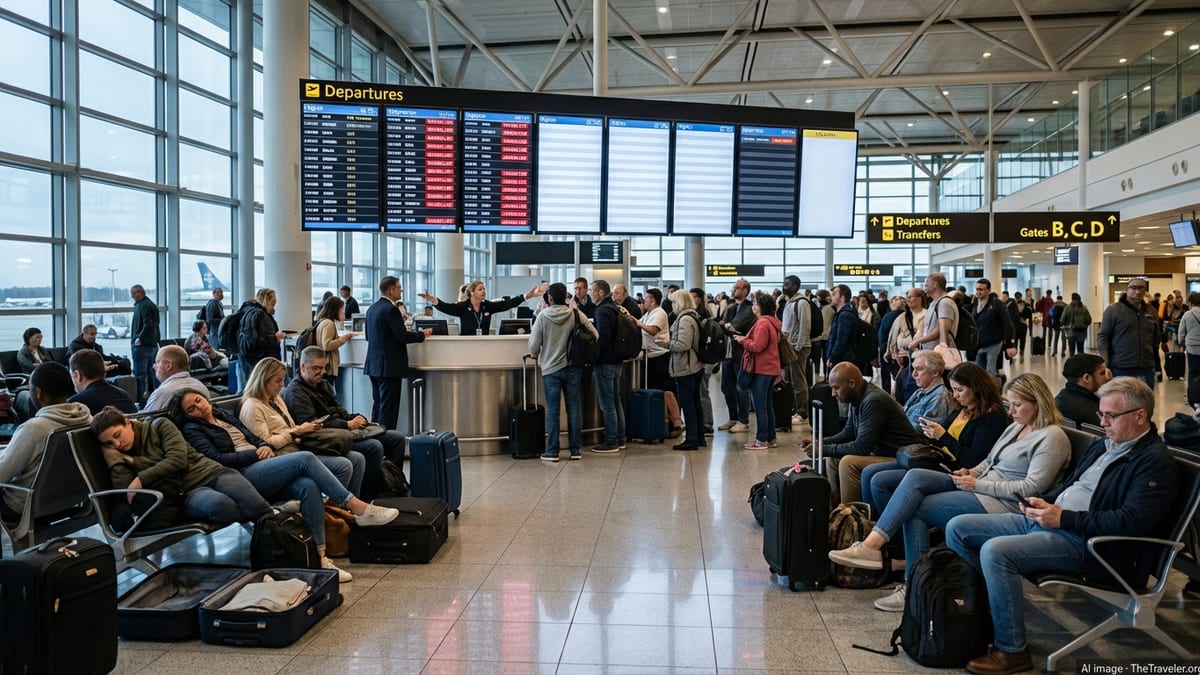
Overnight Cancellations Hit Moscow Routes
Overnight schedules between Türkiye and Moscow were among the first to be affected, with airport timetables and tracking data showing at least a dozen Pegasus flights to and from Moscow’s Vnukovo Airport removed from the board during the late-night and early-morning period. Publicly available information indicates that several departures from Istanbul Sabiha Gökçen and Antalya bound for the Russian capital did not operate as planned, while corresponding return services from Moscow were also scrubbed.
One Pegasus service from Antalya to Moscow diverted before entering Russian airspace, landing instead at Istanbul Sabiha Gökçen according to regional reports that cited live flight-status data. The pattern of cancellations and diversions left passengers on both sides of the route scrambling to rebook, with some travelers reportedly reassigned to later daytime departures where seats were available.
Flight-status tools and the carrier’s own online updates show that not all Russia flights were halted. Daytime services on certain routes continued to operate, indicating that the measure was focused on the overnight window when perceived risks were seen as higher. The selective nature of the disruption has drawn attention to how airlines are now calibrating their exposure to airspace around major Russian hubs.
Ukraine Warning and Intensifying Airspace Concerns
The overnight cancellations followed a new warning from Ukraine about the safety of Russian airspace. According to international coverage, Kyiv formally notified aviation bodies that civilian aircraft flying over Russia face elevated dangers, a move that came shortly after President Volodymyr Zelensky urged foreign carriers and insurers to avoid Russian skies and described them as increasingly unsafe for commercial traffic.
These concerns are layered onto existing guidance already in place for portions of Russian airspace. The European Union Aviation Safety Agency has previously highlighted heightened risks to civilian operations due to active air defense systems, missile launches, and drone attacks that have extended deeper into Russian territory, including areas approaching major cities and airports. While that earlier advisory predates the latest spike in tensions, analysts note that the underlying risk picture has steadily worsened rather than improved.
Risk advisory firms that monitor conflict zones have pointed to a near-daily tempo of drone and missile incidents inside Russia, including regions around Moscow and St Petersburg, and describe the likelihood of further attacks through 2026 as high. In that environment, nighttime operations, when visual cues are limited and air-defense activity can be harder to track, are viewed as particularly sensitive for civilian carriers trying to manage safety margins.
Pegasus Cites Operational Factors as Disruption Grows
Despite the timing, Pegasus has framed its Russia schedule changes in technical terms. Public statements referenced in regional media describe the affected services as canceled for “technical and operational” reasons, without directly linking the move to Ukraine’s warning or to any specific security incident. The airline has emphasized that other flights on its network, including some services to Russia, are continuing as scheduled.
Data from Moscow’s Vnukovo Airport show six arriving and six departing Pegasus flights canceled in a single night, underscoring the scale of the adjustment. Additional regional reporting notes that other carriers, including Turkish Airlines and several smaller operators, also removed select Russia-bound flights from their timetables over the same period, suggesting that multiple airlines are reassessing their exposure at the same time.
For Pegasus passengers, standard disruption rules apply. The carrier’s published guidance explains that customers on canceled flights can typically rebook, convert tickets to open status, or seek refunds through its website and mobile app. In practice, however, the sudden nature of overnight cancellations and limited spare capacity on alternative departures can lead to lengthy delays for those needing to reach or leave Russia on short notice.
Wider Impact on Russia–Türkiye Travel Links
The impact of the overnight cancellations has been felt most immediately on leisure and family travel flows between Russia and Türkiye, a corridor that has remained comparatively busy even as many Western airlines have withdrawn from Russian markets since 2022. Holidaymakers heading to Turkish resorts and Russian travelers returning from late-summer trips have faced last-minute changes, with some opting to reroute via third countries that still maintain regular connections.
For Russian residents who rely on Turkish carriers as one of the remaining gateways to international destinations, the episode has reinforced the fragility of current air links. Online discussions among travelers indicate concern that any sustained tightening of schedules or additional risk alerts could further reduce the already limited number of viable routes out of major Russian cities, especially during overnight hours.
Travel specialists monitoring the region note that seats on alternative carriers can quickly sell out when a major airline trims capacity, pushing fares higher on remaining options. The recent cancellations have therefore prompted some passengers to adjust future travel plans, including by avoiding itineraries that rely on late-night departures from or arrivals into Russian airports.
Growing Pressure on Airlines Still Using Russian Skies
The Pegasus decision comes as airlines that continue to fly to or near Russia face growing external pressure to reassess their exposure. Since the start of the full-scale invasion of Ukraine, many European and North American carriers have halted all services involving Russian airports or airspace, while others based in countries without direct sanctions have maintained limited operations, citing commercial demand and existing bilateral agreements.
Recent coverage of Ukraine’s formal notification about Russian airspace has renewed debate over whether the risk environment now exceeds acceptable thresholds for civil aviation. Insurers, lessors, and corporate travel managers are all part of the decision chain, and the sudden overnight cancellations highlight how quickly operating assumptions can change when a major escalation or high-profile warning enters the public domain.
For now, Pegasus appears to be pursuing a mixed strategy, curbing overnight exposure while keeping daylight flights on key routes in place. Analysts following the region say that further adjustments will likely depend on how the security landscape evolves, whether additional states issue their own guidance, and how demand responds to the perception of heightened danger on routes touching Russian skies.
As travelers digest the latest disruption, many are watching closely to see whether other carriers serving Russia adopt similar overnight restrictions, or whether Pegasus’s move remains a targeted, time-limited response to a fast-changing airspace risk picture.
Pegasus Airlines announcements
Euronews coverage of Ukraine airspace warning