


More news on this day
The Philippines tourism industry is entering a period of mounting cost pressures and operational uncertainty as the Iran-linked energy crisis, disruptions through the Strait of Hormuz and a surge in global oil prices filter through to airfares, ship fuel costs and the broader domestic economy.
Get the latest news straight to your inbox!
Global Energy Shock Reaches the Philippine Travel Market
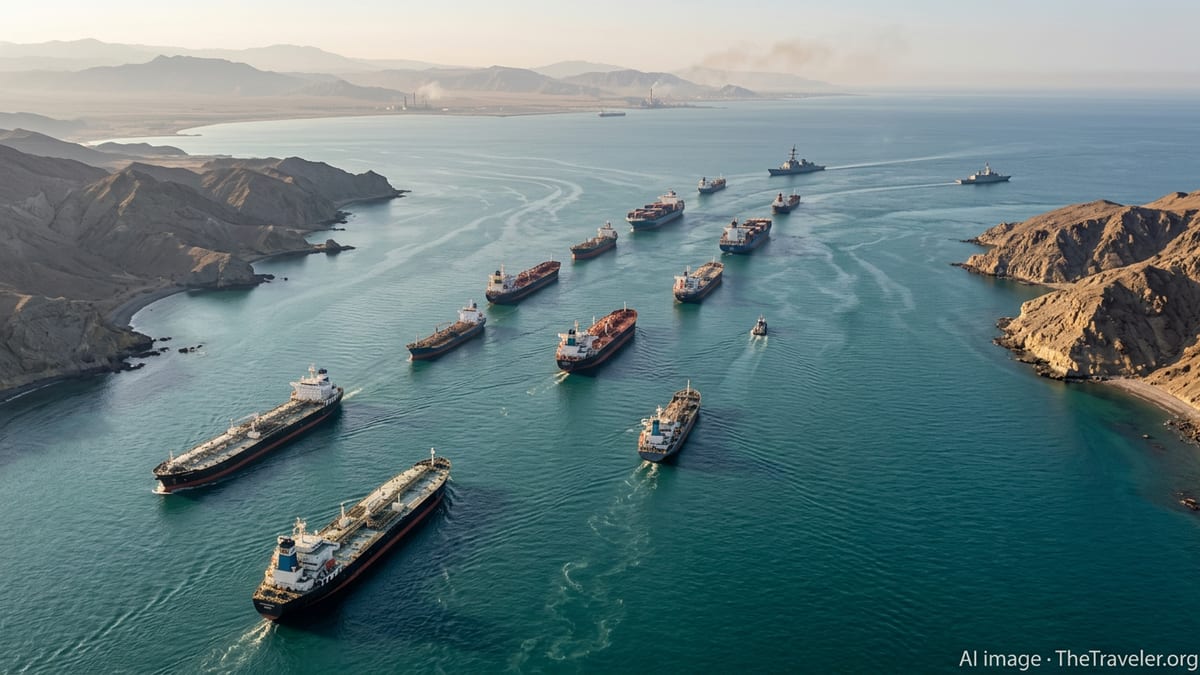
The closure and intermittent blockade of the Strait of Hormuz since early March 2026 have sharply reduced the flow of oil and liquefied natural gas from the Gulf, pushing benchmark crude prices well above previous forecasts. International analysis describes it as one of the largest supply disruptions in decades, with tankers rerouting or waiting at anchor and war risk premiums for ships rising steeply. For a tourism-dependent country like the Philippines, which imports nearly all of its fuel, this external shock is quickly becoming a domestic concern for travelers.
Published economic assessments indicate that the latest Middle East conflict, including Iran’s moves around Hormuz and countermeasures by Western forces, has driven Brent crude into triple-digit territory and kept volatility extremely high. Financial and energy market briefings note that Asian refiners, including those supplying the Philippines, are scrambling for alternative cargoes at higher prices, with refiners in some cases bidding against one another for limited spot volumes. This tightening supply backdrop is filtering directly into the cost base of airlines, inter-island ferries and tour transport operators.
Philippine commentary on the energy situation highlights the country’s long-standing vulnerability to oil shocks and currency swings. Reports from local business media describe how previous Middle East tensions had already pushed domestic fuel prices higher in 2025. The latest conflict has amplified that trend, and the peso’s recent weakness against the US dollar is magnifying the cost of every imported barrel. For travelers planning trips in 2026, the combination of fuel-driven inflation and exchange rate pressure is starting to reshape prices across the tourism chain.
Airlines Confront Rising Jet Fuel and Route Disruptions
Global airline industry updates show that the near-doubling of jet fuel prices since late February has become a defining feature of the Iran-linked energy crisis. As carriers worldwide adjust, industry research and bank analyses state that full-service airlines are passing on a portion of the shock via higher base fares and fuel surcharges, while low-cost carriers face hard choices between absorbing costs or cutting capacity. Aviation-focused coverage from Asia notes that regional airline shares have come under pressure as investors anticipate weaker margins and potential schedule changes.
For the Philippines, this trend is visible in both international and domestic markets. Publicly available fare trackers and travel agency briefings point to rising ticket prices on key long-haul routes to and from Manila, particularly to Europe and the Middle East, where detours to avoid conflict zones add flight time and fuel burn. On shorter-haul routes within Southeast Asia, analysts observe upward pressure on base fares and ancillary fees as carriers seek to recover at least part of their elevated fuel bills.
Within the archipelago, local airlines that rely heavily on jet fuel and aviation gasoline for dense domestic networks are also exposed. Financial commentators warn that routes to secondary and remote destinations, often served by smaller aircraft and thinner passenger volumes, may be the most vulnerable to schedule rationalization if costs stay high. For travelers, this could mean fewer flight options, tighter seat availability during peak periods and a noticeable uptick in the price of last-minute tickets to popular islands and resort areas.
Industry research on the Iran conflict’s logistics impact further notes that global air cargo networks are still dealing with earlier bottlenecks from Red Sea diversions, now compounded by Hormuz-related instability. As aircraft belly cargo space remains in demand and fuel costs rise, some airlines are prioritizing freight that helps offset higher operating expenses. This dynamic may indirectly affect tourism by encouraging carriers to upgauge or reconfigure certain routes, influencing flight timings and connectivity that leisure travelers rely on.
Domestic Transport, Ferries and Island Destinations Under Strain
Beyond aviation, the energy shock is rippling through the Philippines’ extensive network of buses, jeepneys, vans and inter-island ferries that move travelers once they arrive. Local news coverage of the 2026 Philippine fuel shortage describes tight diesel and gasoline supplies in some regions, long queues at fuel stations and a wave of transport strikes as operators protest mounting operating costs. Government statements cited in public reports refer to the situation as a price disruption rather than a full-blown crisis, but the strain on day-to-day mobility is evident.
Tourism-related destinations that depend on fuel-intensive logistics appear particularly exposed. Reports on the emerging energy crunch mention examples such as Baguio, where tourism arrivals reportedly fell by as much as 40 to 50 percent as transport costs rose and supply chain challenges hit hotel and restaurant operations. Similar pressures are likely across island and highland destinations that depend on ferries, vans and small aircraft to bring in both visitors and essential supplies.
For travelers, this may translate into higher transfer prices, fuel surcharges on ferry tickets, and occasional schedule adjustments if operators reduce frequency or prioritize cargo. Travelers may also notice broader cost increases in food and services at resorts and guesthouses as higher fuel prices filter into electricity, refrigeration, and the transport of goods from urban centers to outlying islands. In some areas, local authorities have announced fuel subsidies and targeted support for public utility vehicle drivers, but reports suggest these measures only partially offset the scale of the global price spike.
Industry observers warn that if the Strait of Hormuz disruption continues into the second half of 2026, operators with thinner financial buffers, such as small boat operators and independent tour transport providers, could come under acute stress. That raises the possibility of further consolidation in local transport markets, with implications for competition and price levels in popular destinations.
Economic Headwinds and Peso Weakness Shape Travel Budgets
The fuel shock is arriving at a delicate time for the Philippine economy. Economic commentary from local newspapers highlights how higher energy costs, combined with an already weak peso and broader global inflation, are weighing on household budgets and business sentiment. Analysts note that imported fuel not only raises transport expenses but also lifts the price of electricity and a wide array of goods and services that underpin the tourism ecosystem.
According to recent analysis in the Philippine press, the peso slid to an average of around 59 pesos to the US dollar in March 2026, reflecting both domestic factors and global risk aversion triggered by Middle East tensions. For international visitors with stronger currencies, this depreciation can partially offset higher airfares and in-country costs, potentially making hotel stays and local services appear more affordable in dollar or euro terms. For Filipino travelers, however, overseas trips become more expensive, and even domestic leisure spending can feel constrained as income growth struggles to keep pace with inflation.
Tourism economists caution that shifts in travel patterns are likely. Regional data from previous fuel shocks suggest that some travelers respond by shortening trips, choosing destinations closer to home, or downgrading from premium to budget accommodation. Others delay nonessential travel altogether. Industry groups in the Philippines have publicly urged careful monitoring of demand trends and called for measures that can help keep the country attractive to cost-sensitive visitors, such as targeted promotions, streamlined fees at airports and tourist sites, and support for sustainable transport initiatives that reduce fuel dependence.
Macro-level assessments of the Iran conflict’s economic impact also point to second-round effects through higher food and fertilizer prices, which can further squeeze consumer spending. As households allocate more of their budgets to basics, discretionary categories such as leisure and travel may face renewed pressure, particularly among middle- and lower-income segments that form a key part of the domestic tourism market.
What Travelers Should Watch in the Months Ahead
While the situation remains fluid, several indicators are emerging as especially relevant for anyone planning trips to or within the Philippines. Energy and commodities briefings emphasize the path of Brent crude prices and the operational status of the Strait of Hormuz as central variables. A prolonged closure or partial blockade is likely to keep jet fuel and diesel prices elevated, sustaining upward pressure on fares, transfers and packaged tour rates. Any credible diplomatic progress that restores more stable shipping through Hormuz could ease some of this pressure, though analysts stress that prices may remain higher than pre-crisis levels for some time.
Travelers may also want to monitor domestic fuel supply updates and transport advisories from Philippine authorities and operators, particularly regarding potential strikes or service disruptions. Public information has already documented cases of transport work stoppages tied to fuel costs, and further episodes could temporarily affect connections between airports, cities and resort areas. Booking flexibility, including options for date changes and alternative transport arrangements, may offer added security in this environment.
Finally, observers point to currency movements and inflation trends as important context for budgeting. A weaker peso can make on-the-ground expenses relatively cheaper for foreign visitors, but it also reflects broader economic stress that can influence wage pressures, service quality and investment in tourism infrastructure. For local travelers, rising prices mean careful planning will be essential to keep trips affordable. In this landscape, the Philippines tourism industry is striving to remain welcoming and competitive, yet it must do so while navigating one of the most complex external energy shocks the region has faced in years.