


More news on this day
Vietnam’s Phu Quoc Island is experiencing a powerful tourism surge as fresh international awards, booming visitor numbers and large-scale investments propel the once-sleepy fishing outpost into one of Asia’s most closely watched beach destinations.
Get the latest news straight to your inbox!
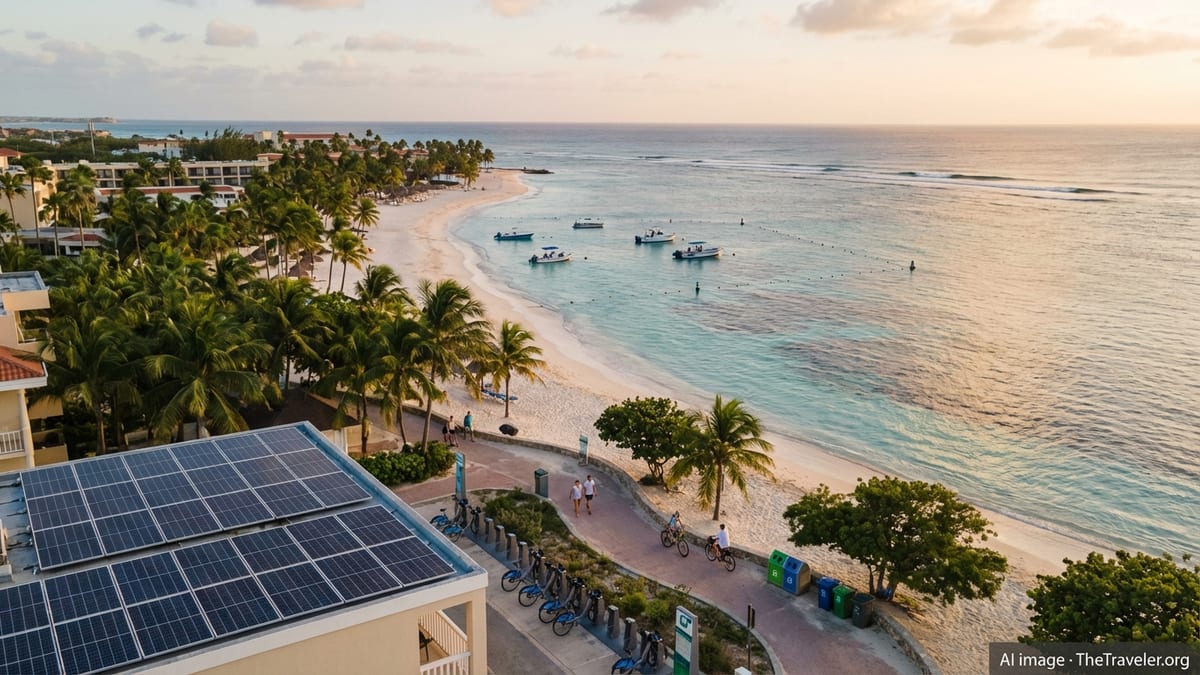
Award Spotlight Puts Phu Quoc in Asia’s Premier League
Phu Quoc’s latest accolade as one of Asia’s most beautiful islands has sharpened global attention on Vietnam’s largest island at a time when regional competition for long-haul holidaymakers is intensifying. Travel rankings and industry reports increasingly place Phu Quoc alongside better-known beach destinations such as Thailand’s Phuket and Indonesia’s Bali, but with the reputation of being less crowded and still relatively new to mass tourism.
International coverage notes that Phu Quoc’s appeal rests on a combination of white sand beaches, warm shallow waters, and a fast-growing portfolio of high-end resorts and theme-style attractions. Tourism analysts highlight that the island’s image has evolved from a rustic backpacker stop to a more diversified resort hub that aims to attract families, honeymooners and higher-spending package groups from across Asia and Europe.
The emerging “Asia’s most beautiful island” narrative is reinforced by a series of recent distinctions for specific sites on Phu Quoc. A coastal entertainment district marketed as Sunset Town has been recognized in regional awards as a leading tourism landmark, adding visual branding power to the island’s global promotion. This clustering of awards and rankings is helping tour operators position Phu Quoc as a fresh option in an increasingly crowded Asian beach market.
Visitor Numbers and Revenue Signal a Tourism Boom
Published data show that Phu Quoc has rapidly moved into the top tier of Vietnamese destinations by both arrivals and tourism turnover. Official figures for 2024 reported more than 5.9 million visitor arrivals to the island, an increase of just over 7 percent compared with 2023 and significantly above pre-pandemic levels. International arrivals were estimated at around 960,000, well over double the volume recorded before global travel restrictions.
Tourism revenue has risen in tandem with these numbers. Publicly available information indicates that Phu Quoc generated in excess of 21 trillion Vietnamese dong in tourism receipts in 2024, accounting for more than four fifths of total tourism revenue in Kien Giang province. Local industry assessments describe this performance as a “boom year,” with occupancy at many coastal resorts supported by strong demand from South Korea, China, India and domestic travelers from major Vietnamese cities.
Growth in air services has underpinned the surge. Reports on the first half of 2024 show international flights to Phu Quoc rising by close to 190 percent year on year, with international passenger numbers more than doubling over the same period. Airlines and tour companies have added new routes from Seoul, Shanghai, charter markets in Eastern Europe and secondary cities in India, signaling confidence that the island can sustain higher volumes in the medium term.
Big-Ticket Investments Reshape the Island’s Landscape
The tourism windfall is closely tied to a wave of large-scale investment that has transformed Phu Quoc’s coastline and hinterland over the past decade. Vietnam-focused tourism reports note that the island now concentrates a high share of Kien Giang’s approved tourism projects, with registered capital measured in the hundreds of trillions of dong. These investments span integrated resorts, golf courses, marine parks, casinos, safari-style wildlife attractions and entertainment complexes.
One of the most visible changes has been the development of themed urban areas such as Sunset Town on the island’s southwest tip and a night-time entertainment and shopping zone known as Grand World in the north. These projects, often backed by major Vietnamese conglomerates, are designed to keep visitors on the island for longer stays by pairing beach time with nightlife, shows and retail.
Infrastructure upgrades have followed. Phu Quoc International Airport has expanded capacity and is now ranked among Vietnam’s busier aviation gateways, with the ability to handle millions of passengers per year. Road networks across the island have been widened and paved, connecting previously isolated beaches and fishing communities to the main tourist corridors and ferry ports.
Developers are also experimenting with new product lines aimed at international standards, including branded residences, conference facilities and wellness-focused retreats. Travel analysts argue that this diversification is critical if Phu Quoc is to compete effectively with established Asian resort hubs that already have extensive event, medical tourism and long-stay offerings.
Balancing Growth With Sustainability and Community Concerns
The scale and speed of Phu Quoc’s tourism boom have also generated debate about sustainability, pricing and the island’s long-term positioning. Commentary from travelers and domestic media coverage frequently points to uneven service quality, seasonal overcrowding in some beach areas and concerns over waste management and coastal construction.
Some observers argue that rapid resort development has at times outpaced supporting infrastructure such as drainage, public transport and environmental safeguards. There are recurrent discussions within Vietnamese travel forums about the risk of overbuilding and the need to preserve the natural landscapes that underpin Phu Quoc’s “most beautiful island” branding.
Local authorities and tourism businesses have publicly discussed efforts to strengthen destination management, including campaigns to reduce plastic waste, encourage more standardized pricing and promote community-based tourism in fishing villages and pepper farms inland. Industry reports highlight growing interest in eco-tours, snorkeling excursions around marine protected areas and cultural experiences that move beyond the resort perimeter.
Analysts suggest that how Phu Quoc manages these pressures over the next several years will determine whether the island can sustain premium status in the regional market. A move toward higher-value, lower-impact tourism is often cited as the preferred path, with emphasis on protecting coral reefs, regulating coastal development and improving training for hospitality staff.
Regional Competition Intensifies as Phu Quoc Rises
Phu Quoc’s rise is unfolding within an intensely competitive regional landscape, as destinations across Southeast and East Asia race to capture returning long-haul visitors and a swelling middle class of Asian travelers. Comparative coverage in regional media frequently positions the island against more mature resort areas such as Phuket, Bali and Malaysia’s Langkawi, while also noting emerging competitors within Vietnam itself, including Nha Trang, Da Nang and Phu Quy.
Travel analysts note that Phu Quoc still benefits from a perception of novelty and from pockets of relatively uncrowded coastline compared with some rivals. At the same time, the island’s growing profile as “Asia’s most beautiful island” raises expectations for quality, cleanliness and authentic local culture that can be challenging to meet during a rapid building cycle.
Market watchers expect continued growth in 2026 and beyond, supported by Vietnam’s broader tourism recovery, expanded visa exemptions for key source markets and a pipeline of new resort and entertainment projects already under construction. The outlook suggests that Phu Quoc will remain a central test case for how Vietnam can convert its natural assets and investor interest into a sustainable, internationally competitive island destination.