


More news on this day
Pakistan International Airlines is set to restore a nonstop weekly service between Islamabad and Beijing from July 3, 2026, reestablishing a key air corridor for tourists, students and business travelers moving between Pakistan and China.
Get the latest news straight to your inbox!
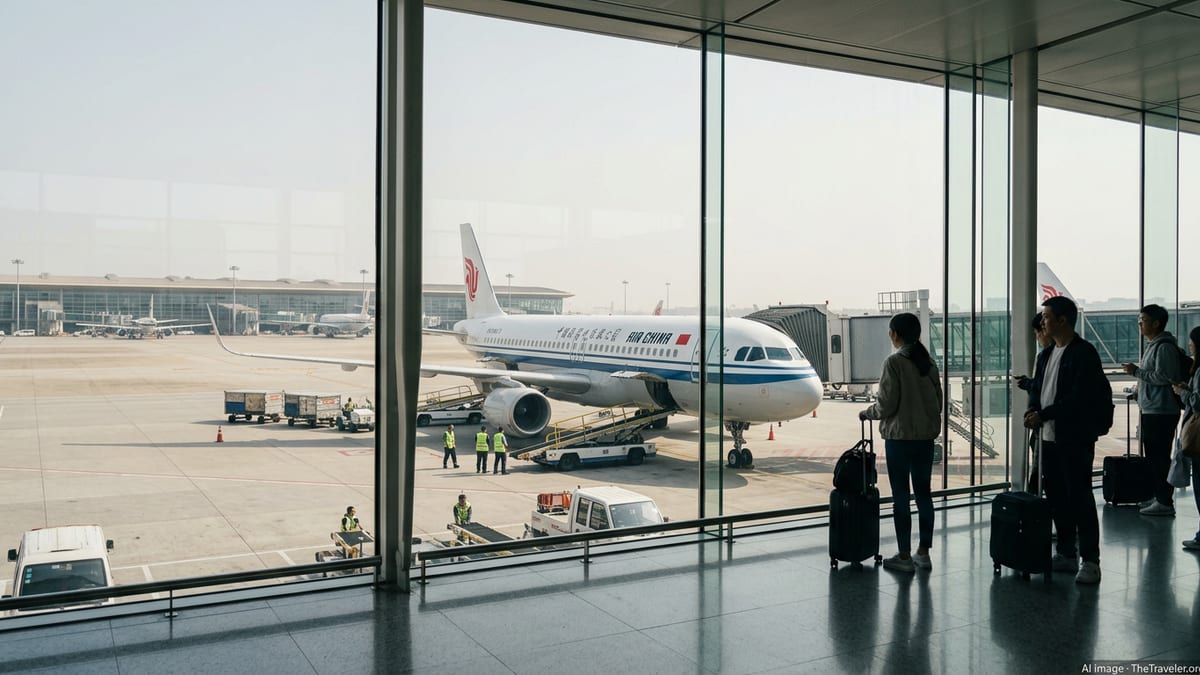
Route Resumption Restores Critical Pakistan China Air Link
Publicly available airline schedules and recent media coverage show that PIA will relaunch direct operations on the Islamabad–Beijing–Islamabad route in early July, initially with one round trip per week. The service will link Islamabad International Airport with Beijing Capital International Airport, cutting total journey times for passengers who previously relied on connecting flights through Gulf and Southeast Asian hubs.
The restoration follows a suspension of the route earlier in 2026, when high jet fuel prices and wider network cuts prompted the airline to pause several international services. Reports indicate that improving cost dynamics and a rebound in demand on China routes have created conditions for PIA to bring back the flight in time for the busy mid year travel period.
Flight schedule data suggests that the relaunched service will operate as an overnight sector on at least one leg, offering travelers the convenience of arriving in the destination city in the morning. Aviation tracking platforms list the distance between Islamabad and Beijing at roughly 3,900 kilometers, with a scheduled flight time of around six hours.
The move aligns with a broader rebuilding of PIA’s long haul and regional network, as the carrier’s new ownership structure seeks to focus on routes with strong point to point demand and strategic value for Pakistan’s connectivity.
Students and Families Gain a Faster, More Predictable Option
The Islamabad–Beijing corridor has long been used by Pakistani and Chinese students enrolled in universities on both sides of the border. According to recent coverage in Pakistan based outlets, the suspension of direct flights earlier this year forced many travelers onto more expensive or time consuming itineraries involving one or two stops in third countries.
With the weekly nonstop service returning from July 3, students are expected to benefit from shorter total travel times and reduced uncertainty around transit visas and missed connections. Parents accompanying students, as well as families visiting relatives working or studying abroad, are also likely to favor a single continuous flight between the two capitals.
Travel industry reporting suggests that Chinese student inflows to Pakistani universities and outbound Pakistani enrollment in Chinese institutions have both expanded in recent years, particularly in engineering, medical, and language programs. A direct air link is widely viewed as an important enabler of that growth, providing predictable capacity at key points in the academic calendar such as semester start dates and holiday breaks.
For tour operators and education consultants, the reinstated PIA route adds another option alongside services operated by Chinese carriers, allowing packages to be tailored around preferred departure days, baggage allowances and fare levels.
Business Travelers and Tourism Ties Set to Strengthen
Reports from business publications in Pakistan note that the return of the Islamabad–Beijing flight is expected to support trade and investment activity connected to the China Pakistan Economic Corridor and wider bilateral projects. Direct air services between capitals often function as practical infrastructure for corporate travel, government delegations and technical teams working on long term projects.
Nonstop connectivity can be especially valuable for time sensitive trips, such as negotiations, site visits and contract signings, where delays caused by missed onward connections can be costly. A dedicated weekly PIA flight gives Pakistani and Chinese firms an additional scheduling option, complementing services from Chinese airlines and regional stopover carriers.
On the tourism side, Beijing is a major gateway for Chinese travelers exploring South Asia, while Islamabad provides access to northern Pakistan’s mountain destinations, including Hunza, Gilgit Baltistan and the broader Karakoram region. Travel market analysis often highlights the potential for more Chinese leisure visitors to Pakistan, particularly for adventure tourism and cultural heritage tours, if air access remains reliable.
With the new schedule in place from July, destination marketing organizations and tour companies in both countries are expected to highlight the direct link in promotional material aimed at group tours, incentive travel and niche segments such as photographers and trekkers.
Operational Details and Capacity Outlook
According to flight listing platforms, the relaunched PIA service will operate as a weekly nonstop rotation, with schedules indicating a start date of July 3, 2026. The airline is expected to deploy a widebody aircraft configured for both economy and business class, reflecting demand from a mix of budget conscious passengers and corporate travelers.
Timetables show that Pakistan International Airlines will sit alongside at least one Chinese carrier on the Beijing–Islamabad city pair, which offers more frequent service. For passengers, this combination translates into a choice between PIA’s weekly operation and additional weekly frequencies on other airlines, depending on preferred travel dates and loyalty program ties.
Case studies from other medium haul markets suggest that even a single additional nonstop frequency can have a noticeable impact on fares and seat availability, especially during peak travel periods. The presence of multiple airlines on the route may support more stable pricing for passengers booking in advance, while last minute travelers could benefit from extra capacity.
Industry observers note that the Islamabad–Beijing flight has historically operated with healthy load factors, particularly around major holidays in both countries. If demand continues to grow and operational conditions remain favorable, analysts see scope for the airline to review frequency increases or seasonal adjustments, though no such changes have been formally detailed in public schedules.
Symbolic Boost for Pakistan China Connectivity
Beyond its immediate commercial impact, the resumption of PIA’s Islamabad–Beijing flight carries symbolic weight in the context of Pakistan China relations. News reports emphasize that direct air links between capitals are often described as bridges that support people to people exchanges, educational cooperation and tourism flows in addition to trade.
The return of the once weekly PIA service comes at a time when both governments have highlighted the importance of connectivity as a pillar of their partnership. Regular, reliable flights can facilitate high level visits, cultural delegations and exchange programs, adding a practical layer to official statements on deepening ties.
For the traveling public, the most immediate effect will be greater choice. With PIA back on the Islamabad–Beijing route from July 3, 2026, passengers will again have a national carrier option for nonstop travel between the two capitals, alongside alternative routes that connect via regional hubs.
As airlines globally continue to recalibrate networks in response to fuel costs and shifting demand, the decision to restore this particular route underscores the strategic importance attached to maintaining a direct link between Pakistan and China’s political and economic centers.