


More news on this day
French luxury expedition cruise operator Ponant is assessing Iloilo City and the island province of Guimaras in the central Philippines as potential ports of call for future Asian itineraries, in a move that could position Western Visayas more firmly on the global small-ship cruise map.
Get the latest news straight to your inbox!
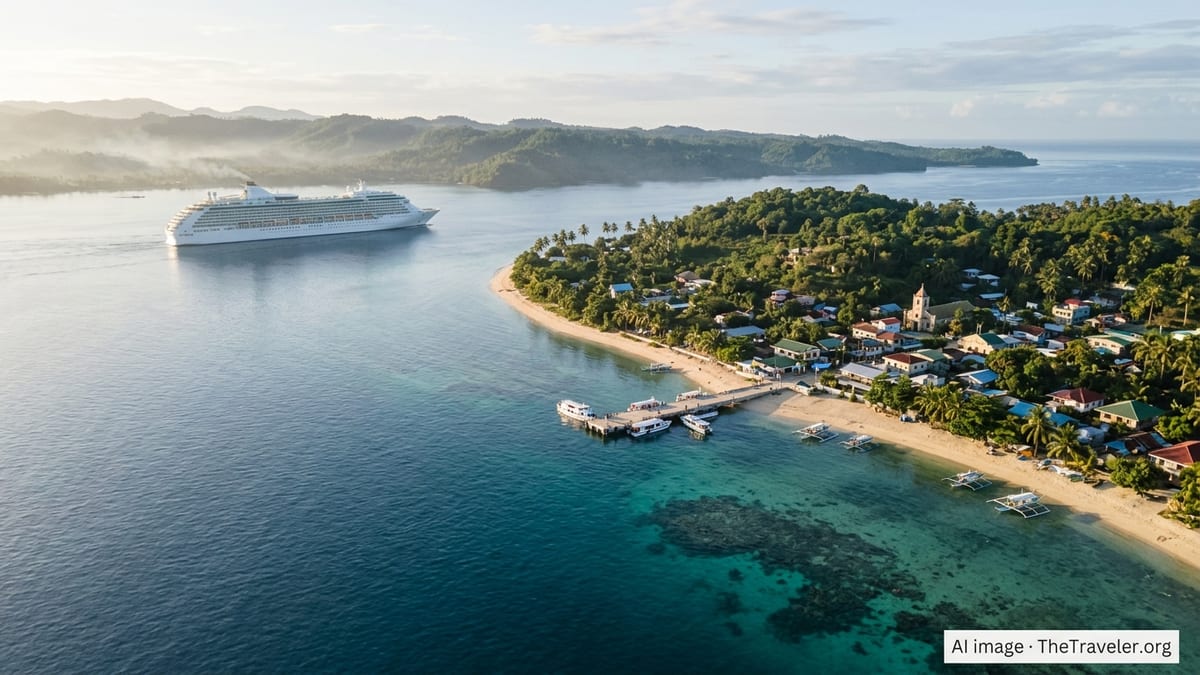
Site Inspections Put Western Visayas on Ponant’s Radar
Recent reports from regional media indicate that Ponant representatives completed a multi day validation visit to Iloilo and Guimaras in mid June 2026. The delegation reviewed port facilities and sampled key tourism sites to gauge whether the destinations can accommodate the company’s small expedition vessels and upscale clientele.
Coverage from local outlets describes the visit as part of ongoing efforts to integrate Western Visayas into specialized Asian cruise programs that favor boutique ports over large, heavily trafficked terminals. Ponant’s inspections focused on operational feasibility, from pier configuration and harbor conditions to passenger handling areas and shore transport logistics.
The activity was organized with support from regional tourism offices and local governments, reflecting a broader strategy in the Philippines to expand cruise tourism beyond established hubs. Iloilo and Guimaras are being promoted as a combined city and island experience that can be delivered within a single port call, an appealing model for expedition style voyages with tight schedules.
While no specific sailings have been publicly scheduled, the outcome of the technical visit is viewed locally as a preliminary step toward inclusion in Ponant’s future Asia focused deployment, potentially as early as the late 2020s.
Iloilo’s Port and Heritage Scene Offer Expedition Appeal
Iloilo City sits along the Iloilo Strait, a sheltered waterway that already handles commercial and passenger traffic, including inter island ferries and cargo ships. Publicly available information on the Port of Iloilo characterizes it as one of the country’s busier regional seaports, with natural harbor protection and existing infrastructure that could be adapted for small cruise vessels.
For cruise planners, Iloilo combines operational attributes with an emerging urban tourism product. The city has been promoting its restored heritage houses, centuries old churches and riverside esplanade as part of a walkable historical corridor. Expedition lines such as Ponant often look for ports where guests can step directly into compact cultural districts rather than rely solely on long coach transfers.
Reports on the June inspection note that Ponant’s team visited both waterfront and inland attractions to test practical aspects like travel times, crowd management and capacity for small group excursions. Observers in the region view this as a sign that Iloilo is being evaluated not just as a technical stop, but as a destination capable of supporting the immersive, locally focused programming that expedition passengers expect.
The city’s connectivity to nearby provinces by sea and road also creates possibilities for pre and post cruise extensions, which can help justify the inclusion of a lesser known port in a premium itinerary.
Guimaras Positions Its Beaches and Landscapes for High End Calls
Across the narrow strait from Iloilo, Guimaras is known domestically for its quiet beaches, island hopping routes and agricultural products, particularly mangoes. Travel forums and regional tourism materials often highlight the short boat ride between Iloilo and Guimaras, typically measured in minutes, which makes the island a natural pairing for cruise passengers spending a day in port.
During Ponant’s reconnaissance trip, the group was reported to have visited coastal areas and scenic vantage points, assessing whether existing resorts, boats and local guides can meet the expectations of a small luxury expedition ship. Operators in this segment typically favor low impact activities such as snorkeling, gentle hikes and cultural encounters in small communities, along with strict environmental protocols.
Local stakeholders are promoting Guimaras as a setting for curated shore excursions that emphasize landscape, coastal conservation and rural life rather than mass market attractions. The island’s relatively low visitor density compared with major Philippine beach destinations is seen as an advantage for cruise brands that trade on exclusivity and a sense of discovery.
However, developing Guimaras as a regular port experience would require coordination on safety standards, waste management and visitor flow to avoid straining small communities. The site visit is being interpreted as an initial step in identifying which areas could welcome limited but higher spending cruise guests.
What Ponant Seeks in Asian Expedition Itineraries
Ponant, formally known as Compagnie du Ponant, has built its reputation on small ship expedition cruising, combining upscale onboard service with routes that emphasize remote or culturally rich destinations. Industry guides describe the line’s fleet as composed of intimate yachts and purpose built expedition vessels designed to access ports and anchorages that are off limits to larger ships.
The company’s global program already spans polar regions, the Mediterranean, the Pacific and parts of Asia, with itineraries that often integrate environmental themes, UNESCO sites and collaborations with scientific and cultural organizations. Recent announcements have highlighted new voyages in Japan, the Baltic and the Americas, reflecting steady expansion of specialized routes.
In Asia, Ponant has favored itineraries that link lesser known islands, nature reserves and historic coastal cities, often with a strong educational component. Against this backdrop, Iloilo and Guimaras fit the profile of emerging ports that can offer a mix of cultural immersion and coastal scenery within a compact geographic area, without the congestion associated with major cruise hubs.
Observers of the cruise sector note that expedition lines frequently test prospective destinations years before regular calls begin, using site inspections and pilot calls to refine logistics. The Iloilo and Guimaras visit appears consistent with this gradual, research driven approach.
Regional Tourism Eyes Long Term Cruise Opportunities
The interest from Ponant comes as Western Visayas steps up efforts to attract more international arrivals, including through cruise tourism. Publicly available regional plans reference cruise calls as a way to diversify visitor markets, spread economic benefits to coastal communities and showcase lesser known attractions.
Local coverage of the June inspection has emphasized the potential economic impact on small businesses ranging from transport operators to guides and food outlets. Expedition ships typically carry fewer passengers than conventional cruise vessels but tend to generate higher per guest spending, especially on locally organized experiences and artisanal products.
Industry observers caution that any integration of Iloilo and Guimaras into Ponant’s itineraries would likely begin with a limited number of calls aligned with seasonal weather patterns and operational considerations. Nevertheless, the site visit is being framed as a signal that the region is now on the radar of high end expedition cruise planners.
For now, Iloilo and Guimaras remain in the evaluation phase, but the recent activity suggests that Western Visayas is positioning itself for a role in the evolving landscape of Asian small ship cruising, where lesser known ports have an opportunity to attract discerning travelers seeking new coastal frontiers.