


More news on this day
UK holidaymakers heading to Portugal and Italy over the next week are being urged to prepare for disruption, as nationwide strike action and wider industrial unrest raise the risk of flight cancellations and delays across key European gateways.
Get the latest news straight to your inbox!
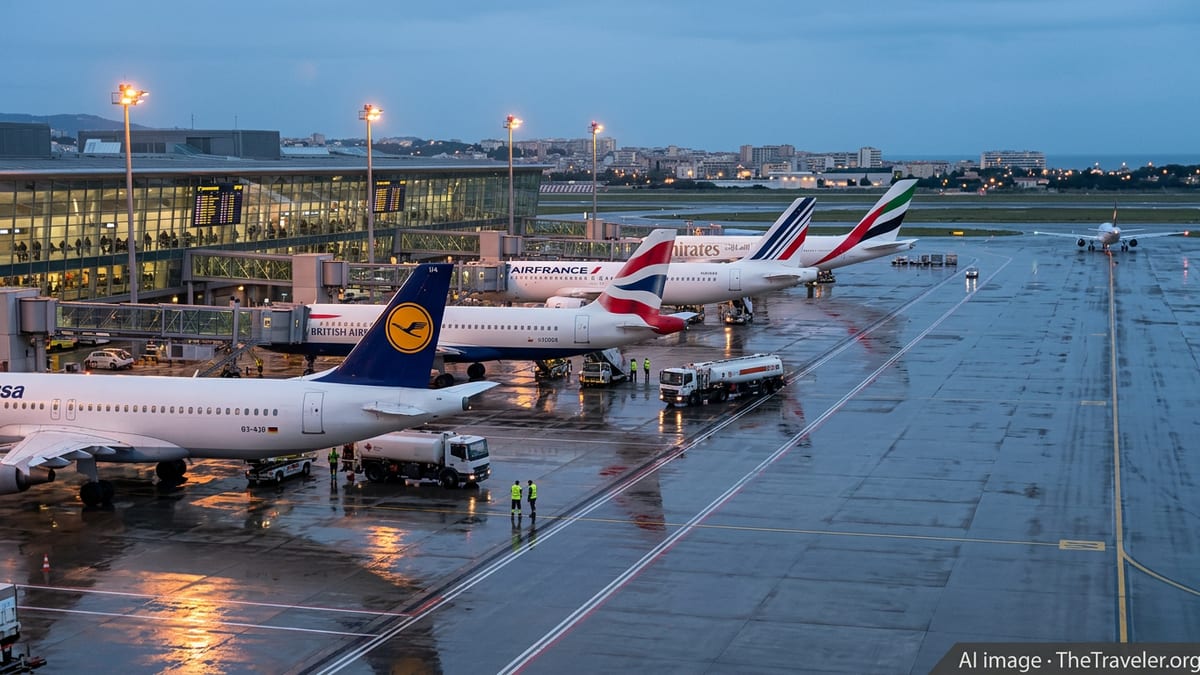
General strike in Portugal set to hit flights on 3 June
Portugal is bracing for a nationwide strike on Wednesday 3 June 2026 that is expected to affect aviation, rail and urban transport, with unions warning that hundreds of flights could be grounded. Coverage from European travel media indicates that up to 500 services may be at risk if walkouts go ahead, particularly at Lisbon and Porto, the country’s two main international hubs.
The action has been called by major union groupings representing cabin crew, rail staff and public transport workers, including the National Union of Civil Aviation Flight Personnel. Publicly available statements from unions describe the strike as part of a wider dispute over labour reforms and working conditions.
Travellers flying to or from Portugal on 3 June are being warned that even if their individual flight is not cancelled, longer queues, schedule changes and baggage delays are likely. Lisbon’s Humberto Delgado Airport has already experienced heavy congestion this spring, with reports of long waits at security and border control during peak periods.
The strike falls at the start of the main summer getaway period for British holidaymakers, with Portugal remaining one of the top short-haul destinations from UK airports. Disruption could therefore have a knock-on effect on services to popular resorts in the Algarve and Madeira, as well as city breaks to Lisbon and Porto.
Airlines issue flexibility as Portugal disruption looms
In response to the Portuguese strike call, several airlines with significant operations in the country have moved to offer increased flexibility to passengers. Public advisories from TAP Air Portugal indicate that customers booked to travel on 3 June can bring their flights forward to late May or postpone them to dates in early to mid June without standard change penalties, in a bid to ease pressure on the strike date.
Guidance from Azores-based carriers shows similar measures, with passengers encouraged to move their trips to surrounding days where possible. These policies are designed to thin out passenger numbers on 3 June and reduce the likelihood of large numbers of travellers being stranded if operations are curtailed.
Low cost airlines serving UK–Portugal routes, including major budget brands, are urging passengers through public channels to monitor booking apps and email notifications closely. While many short-haul flights may still operate, any reduction in staffing levels on the ground could lead to check in bottlenecks, late departures and missed connections for onward travel in Europe.
Under EU passenger rights regulations, UK travellers on flights departing from Portugal or operated by EU carriers may be eligible for assistance and, in some cases, compensation if cancellations or long delays occur and are considered within the airline’s control. Consumer groups, however, point out that industrial action can be treated differently depending on the circumstances, so passengers are being encouraged to keep all documentation and check the specific policy of their airline.
Italy faces fresh wave of airport strikes and transport unrest
Alongside the Portuguese strike, Italy is also experiencing renewed industrial action affecting air travel and wider transport services. Italian aviation updates show that coordinated airport and air traffic control strikes earlier in May led to significant disruption, and further walkouts are signalled in official strike calendars for the coming days.
Information shared by Italian carriers and travel advisories highlights that stoppages can include air traffic controllers, ground handlers and security staff, sometimes for several-hour blocks during the daytime. Even limited-duration strikes can cause wider backlogs as aircraft and crews fall out of position, particularly at major hubs such as Rome Fiumicino and Milan’s airports.
For UK travellers, Italy remains one of the busiest summer destinations, with dense schedules from London, Manchester, Birmingham and regional airports into Rome, Milan, Venice, Naples and a string of island gateways. Any targeted strike at Italian airports can therefore quickly ripple through UK timetables, leading to last-minute cancellations or aircraft substitutions.
Travel forums and passenger reports indicate that airlines serving Italy have already been forced to adjust operations around industrial action days, including consolidating flights, re-timing services and offering rebooking options at short notice. Holidaymakers are being advised to build extra flexibility into their plans, particularly if they have cruise departures, rail connections or domestic flights onward within Italy.
Why the next seven days are critical for UK holidaymakers
The convergence of a fixed-date general strike in Portugal on 3 June and ongoing industrial unrest in Italy means the next week is shaping up to be particularly sensitive for UK leisure travel. Many families are travelling around late May and early June to take advantage of lower prices before the main school holidays, increasing the potential impact of any schedule disruption.
Reports from aviation analytics firms show that UK airlines operate dozens of daily rotations to Portugal and Italy at this time of year, with Lisbon, Faro, Porto, Rome and Milan featuring among the busiest continental routes. Any concentrated disruption in one of these markets can require swift reallocation of aircraft, crews and airport slots, making it harder to protect the wider schedule.
Travel analysts note that industrial action is now a recurring feature of the European peak season, with separate disputes in France, Germany and Belgium in recent years already affecting UK holidaymakers. The combination of high passenger volumes, tight airline staffing and slot-constrained airports leaves little margin to absorb further shocks.
Against this backdrop, consumer organisations in the UK are renewing calls for travellers to check the small print of package holidays and standalone flight bookings. The level of protection can vary depending on whether trips are booked as part of a bonded package or pieced together independently, with implications for refunds and alternative travel arrangements if things go wrong.
Practical steps for travellers heading to Portugal or Italy
For those due to travel in the next seven days, publicly available guidance from airlines and airports points to a number of practical steps. Passengers are being advised to verify their flight status regularly in the 24 hours before departure and on the day of travel, using airline apps rather than relying solely on third party booking sites.
Arriving at the airport earlier than usual is also being recommended, particularly at Lisbon and Rome, where security and border control queues have been variable during busy periods. Travellers with checked baggage are being warned that luggage processing can be one of the first areas to slow when staffing levels are stretched.
Where airlines are offering voluntary rebooking ahead of the Portuguese general strike, UK holidaymakers who have some flexibility may wish to move their flights to dates either side of 3 June to reduce risk. Travel insurers generally expect policyholders to take reasonable steps to mitigate disruption, and proactively accepting airline changes can help on that front.
Those who do experience cancellations or long delays are being encouraged by consumer advocates to keep receipts for meals, accommodation and alternative transport costs, as well as screenshots of delay notifications. This documentation can be important when pursuing claims with airlines or insurers once travel is complete, particularly in complex cases involving strikes and rolling knock-on effects across several days.