


More news on this day
Portugal is rapidly climbing Europe’s culinary rankings as a new wave of chef-driven restaurants, gastronomic tourism campaigns and regional food traditions draws international travellers in search of authentic flavours.
Get the latest news straight to your inbox!
Michelin Recognition Puts Portugal on the Fine-Dining Map
Recent editions of the Michelin Guide have helped propel Portugal into the spotlight, with inspectors highlighting a surge in both high-end and contemporary casual dining. The 2025 guide, the first fully dedicated to Portugal, brought the number of Michelin-starred restaurants close to 50, reflecting a rapid rise in quality and consistency across the country’s kitchens.
The 2026 selection built on that momentum, adding new one-star addresses and confirming a growing cadre of two-star restaurants from Lisbon to the Algarve. The latest guide notes that the greatest champions of Portuguese cuisine combine modern technique with deep respect for local produce, from Atlantic seafood to mountain-foraged herbs, consolidating the country’s image as a destination worth travelling for purely to eat.
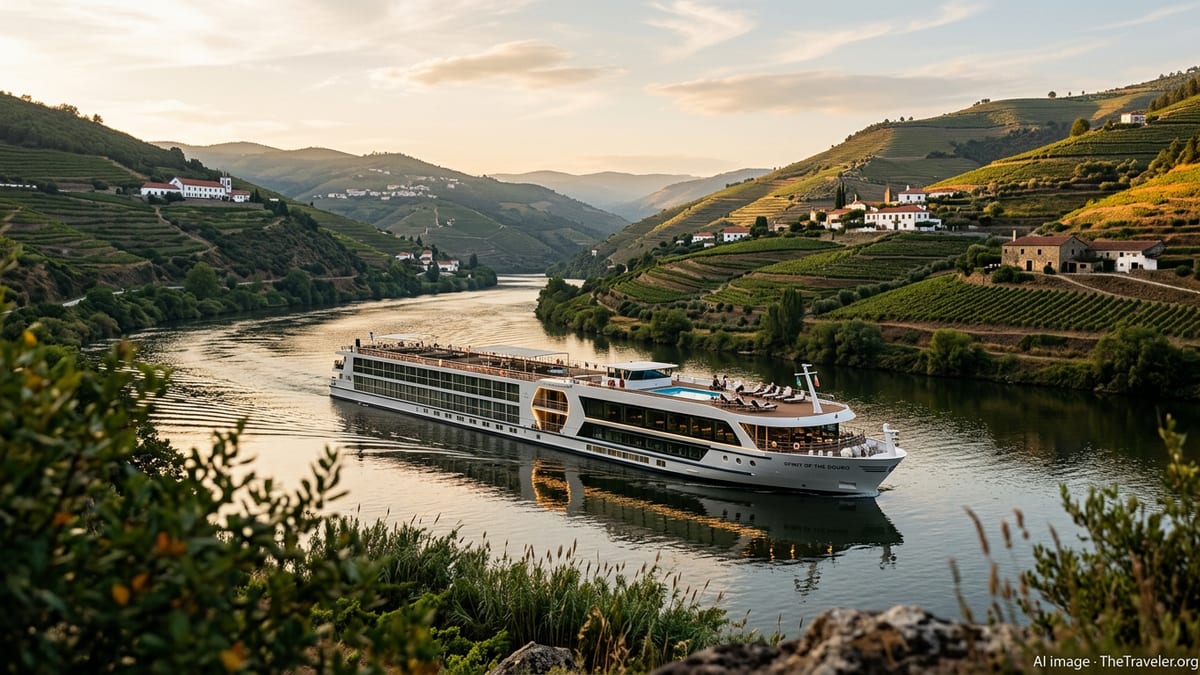
Lisbon and Porto now feature dense clusters of starred dining rooms, but the inspectors also point to emerging hotspots in regions such as the Douro Valley, Alentejo and Madeira. This geographic spread means visitors can build itineraries that link wine estates, coastal resorts and historic towns while dining at restaurants that share a common focus on Portuguese flavour, interpreted in radically different ways.
Alongside the stars, the growth of Bib Gourmand and recommended restaurants underscores a broader transformation. A larger pool of mid-range venues, many led by younger chefs, is offering ambitious menus at accessible prices, reinforcing the sense that Portugal’s culinary upswing is not limited to the luxury tier.
Tourism Strategy Pivots to Gastronomy and Authenticity
Gastronomy has become a central pillar of Portugal’s national tourism strategy, with official planning documents and academic analysis noting repeated references to food and wine as key tools for differentiation in a crowded European market. Publicly available information on tourism priorities for 2024 and beyond shows a clear emphasis on attracting “more demanding markets” through cultural, architectural, gastronomic and wine tourism products.
The approach aligns with research published in international gastronomy and tourism journals, which describes how national and regional bodies have increasingly integrated food into destination branding. Strategic plans such as Tourism Strategy 2027, often cited in academic work, frame Portuguese cuisine as both an economic asset and a form of intangible heritage that can support rural development.
This policy focus has been matched by practical initiatives, from co-funded events and restaurant weeks to support for regional food festivals. Coastal towns highlight shellfish and salt-marsh products, while inland regions promote cured meats, cheeses and olive oils. For visitors, the result is a more structured calendar of gastronomic experiences that extends beyond the summer peak and encourages travel in shoulder seasons.
Industry analysts note that this shift is also designed to spread tourism benefits more evenly. By promoting gastronomy across the whole territory rather than in a handful of urban centres, authorities aim to draw travellers into lesser-known areas, supporting small producers and family-run restaurants that might otherwise struggle to reach international audiences.
VisitPortugal Campaigns Spotlight Regional Flavours
National marketing has increasingly foregrounded food as a gateway to Portuguese culture. In early 2025, VisitPortugal launched the “Portugal, an unwritten recipe” campaign, positioning the country’s gastronomy as a living narrative shaped by history, landscape and contemporary creativity. The promotional materials invite travellers to “taste and explore Portugal through a recipe” that blends authenticity, freshness, sustainability and generosity.
The campaign’s imagery underscores the close relationship between food and territory, juxtaposing dishes with vineyards, fishing ports, mountain villages and urban markets. Promotional texts highlight how each region brings distinctive ingredients and techniques, from Minho’s vinho verde and hearty stews to the Alentejo’s black pork and bread-based dishes, the Algarve’s citrus and seafood, and the Azores’ volcanic slow-cooked cozido.
By framing meals as a way to read the country’s history, the campaign capitalises on a global appetite for experiences that feel personal and rooted rather than generic. Travellers are encouraged to explore traditional taverns, contemporary bistros and markets alongside fine-dining rooms, reinforcing the idea that Portugal’s culinary identity stretches across all price points.
The messaging also aligns with a broader shift in tourism promotion toward sustainability and community engagement. Materials emphasise local products, seasonal menus and small-scale producers, nudging visitors toward choices that support regional economies and reduce the environmental footprint of their trips.
Sustainability and Food-Waste Policies Reinforce the Story
Portugal’s food appeal is increasingly intertwined with sustainability credentials. The number of Michelin Green Star restaurants has grown in recent years, spotlighting venues that prioritize local sourcing, regenerative agriculture and circular-kitchen practices. These distinctions have helped position Portugal among European destinations where environmental responsibility is considered part of the dining experience rather than an afterthought.
At the policy level, the government has advanced a national strategy to combat food waste, known as ENCDA 2025+, which entered public consultation in late 2025. The framework encourages better coordination across supply chains, supports donation networks and promotes consumer education, with the aim of reducing the significant share of edible food that never reaches the table.
Observers note that this policy direction dovetails with trends already visible in the country’s restaurants and hotels, where many chefs design tasting menus around whole-animal usage, “ugly” produce and preserved ingredients. For travellers, these practices often translate into menus that celebrate nose-to-tail and root-to-leaf cooking, elevating traditional frugality into contemporary gastronomy.
The growing prominence of sustainability awards and campaigns has also added another layer to Portugal’s marketing narrative. Culinary travellers who once chose destinations solely on the basis of prestige or novelty are increasingly looking for places where excellent food goes hand in hand with responsible production and social impact, a combination Portugal is keen to project.
From Tascas to Tasting Menus, a Broad Appeal to Travellers
What sets Portugal apart for many visitors is the breadth of its offering, from neighbourhood tascas to multi-course tasting menus overlooking the Atlantic. Reports from travel media and specialist food publications describe a scene where grilled sardines, bifanas and pastel de nata coexist with intricate degustation menus built around aged fish, foraged greens and reinterpretations of classic dishes like bacalhau and cozido.
In Lisbon, travellers gravitate toward historic districts where traditional taverns share streets with modern wine bars and chef-led dining rooms. Porto’s riverside and hillside neighbourhoods are attracting attention for contemporary menus that remix northern staples, while the Algarve is evolving beyond a sun-and-beach destination as coastal resorts highlight fine seafood dining and inland farm-to-table projects.
Smaller cities and rural areas are also emerging on gastronomic maps. Towns in the Douro, Beira Interior and Alentejo are investing in food festivals, farmers’ markets and wine-pairing experiences that bring together local producers and visiting chefs. These initiatives appeal to travellers seeking quieter, slower itineraries anchored in landscape, tradition and direct contact with culinary heritage.
With low-cost air links, an expanding network of boutique hotels and a reputation for value relative to other Western European capitals, Portugal’s food scene is expected by analysts and academics to remain a key driver of tourism growth. As more travellers plan trips around what is on the plate as much as what is on the postcard, the country’s blend of authenticity, innovation and accessibility is positioning it as a serious contender for the title of Europe’s culinary capital.