


More news on this day
Several governments have revised their travel advisories for Oman in October 2026, citing regional tensions and a higher perceived risk to foreign visitors, even as flights and tourism services continue to operate across the country.
Get the latest news straight to your inbox!
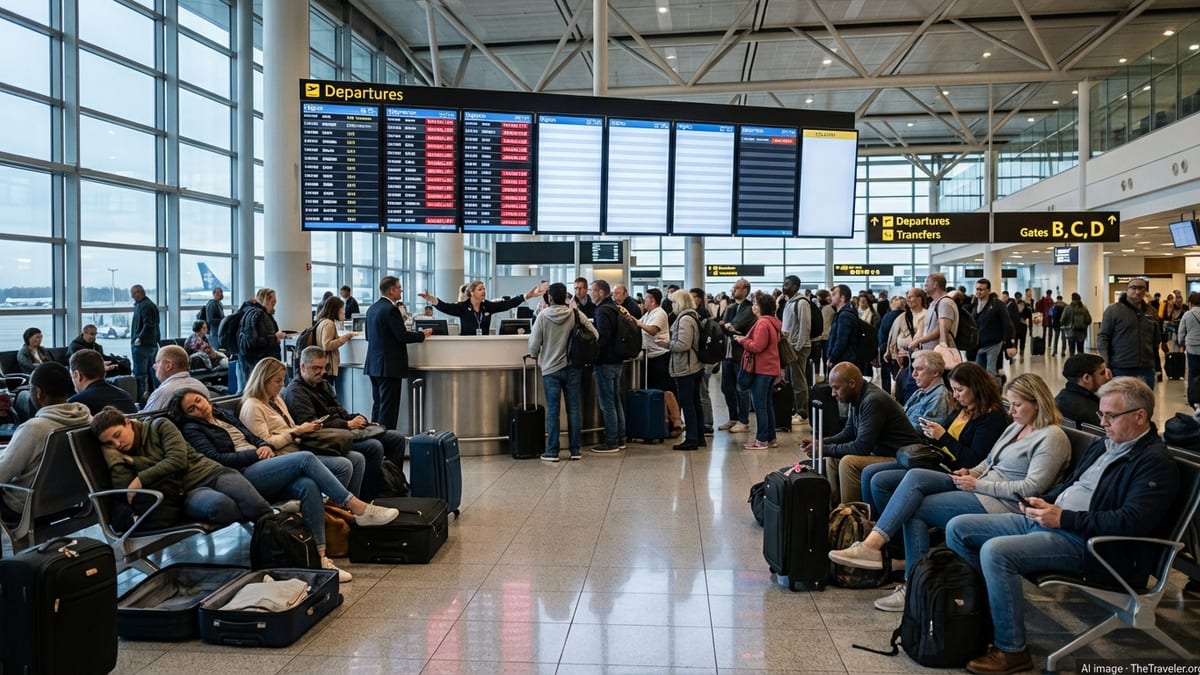
Advisory Levels Raised Amid Regional Tensions
Publicly available information from multiple foreign ministries shows that travel advice for Oman has tightened in recent months, reflecting concern about security risks linked to wider instability in the Gulf and Red Sea region rather than specific incidents targeting tourists. The United States Department of State updated its Oman advisory on 23 October 2026, raising the overall level to “Reconsider travel,” citing the regional security environment and the potential for attacks affecting Western interests.
Similar language appears in guidance from Australia’s Smartraveller service, which as of late October 2026 also advises travelers to reconsider the need to visit Oman due to the security situation in the country and surrounding region. New Zealand and several European governments continue to flag a risk of terrorism and possible attacks on locations associated with Western countries, although they stop short of advising against all travel.
The United Kingdom’s foreign travel advice, updated on 25 October 2026, highlights incidents and threats across the wider region since early July, including strikes and retaliatory attacks by Iran in several locations, some of which have involved infrastructure linked to United States interests in Oman. The German Federal Foreign Office similarly urges travelers to avoid US-linked facilities, critical infrastructure and military sites inside Oman, underlining that these locations could be viewed as potential targets in a period of heightened tension.
Despite the stronger wording, Omani territory has not seen large-scale attacks on tourist areas, and the country’s domestic political situation remains comparatively stable. Official statements from Oman’s foreign ministry in mid-2026 stressed the government’s efforts to de-escalate tensions in the Red Sea and Yemen, aligning with its longstanding role as a regional mediator.
Practical Security Considerations for Visitors
Current advisories emphasize that travelers should maintain a high level of awareness and be prepared for rapid changes rather than cancel all plans unilaterally. Governments recommend staying away from military facilities, energy infrastructure, desalination plants, power stations and locations clearly associated with US or other Western security forces, including some hotels and business compounds.
Travel guidance for Oman also highlights the importance of monitoring local news and official channels for updates on any incidents affecting ports, airports, or the Strait of Hormuz and Gulf of Oman shipping lanes. While Oman’s airspace remains open as of 25 October 2026, and Muscat International Airport continues to function as the main entry point for visitors, regional events have occasionally led to short-notice adjustments to flight schedules elsewhere in the Gulf.
Some foreign ministries explicitly note that the raised advisory levels can affect travel insurance coverage. In countries such as Australia, a “reconsider your need to travel” rating may make it harder to obtain standard leisure insurance or may limit the types of claims that will be honored. Travelers are being advised to check policy wording carefully, confirm that Oman remains covered under current conditions, and obtain written confirmation where possible.
Reports also point to localized issues near the border with Yemen, especially in the far south and southwest of Oman. While there is no official closure of main tourist routes in Dhofar governorate, several governments advise against non-essential travel close to the frontier, reflecting ongoing instability in neighboring Yemen and the risk of cross-border incidents.
Entry Rules, Visas and Documentation
Entry requirements for Oman in October 2026 focus primarily on visas and passport validity, with no broad public-health restrictions currently in force. Oman Airports and government tourism information indicate that all foreign visitors other than citizens of Gulf Cooperation Council states require a visa for stays beyond transit. Passports must be valid for at least six months beyond the date of entry.
Visa policy information and the Royal Oman Police eVisa portal outline a system that combines advance electronic visas with limited visa on arrival options. Citizens of fellow GCC countries such as the United Arab Emirates, Saudi Arabia, Qatar, Bahrain and Kuwait may enter Oman without a visa. Many other nationalities, including travelers from Europe and parts of Asia, can apply online for tourist eVisas if they meet eligibility criteria, while some travelers linked to specific countries or professions face more restrictive rules.
Guidance circulated in late 2024 and subsequently referenced in updated visa summaries indicates that certain travelers can qualify for Omani tourist visas if they hold valid visas or residence permits for countries such as the United States, United Kingdom, Schengen area states, Canada, Australia or Japan. Separate categories exist for residents of GCC countries, who in some cases may obtain short-stay entry free of charge on the basis of their residence status, although reports suggest that approval can depend on the occupation listed on residence documents.
Because individual circumstances and nationalities significantly affect eligibility, several foreign ministries and airline advisories stress that travelers should consult the Royal Oman Police eVisa system and official immigration pages shortly before departure. These sources set out the latest combinations of passport, residency and profession that qualify for online visas or visa on arrival, and they also highlight that information circulating on social media or in older travel blogs may be outdated.
Health Measures and Transport Operations
Travel health information for Oman issued by Canada, Spain and other countries in 2026 notes that entry is no longer conditioned on coronavirus vaccination or pre-travel testing, reflecting decisions by Omani authorities from 2022 onward to lift pandemic-era health restrictions. The most recent country pages focus instead on routine vaccination recommendations and, in some cases, yellow fever certificate rules for travelers arriving from particular regions.
Civil aviation documents from Oman’s regulators show that the detailed COVID-19 aviation health protocols published in 2021 have been superseded by more general operational guidance. Current airport information emphasizes standard security screenings and routine health monitoring rather than systematic testing or quarantine on arrival. International flights serving Muscat, Salalah and other airports continue, though schedules are adjusted periodically according to airline commercial decisions and wider regional demand.
Several travel advisories underline the need for flexibility in itinerary planning. While Oman’s airspace and airports remain open, evolving security developments in nearby waterways, including the Red Sea and Strait of Hormuz, can have knock-on effects for flight routing and shipping. Travelers using multi-stop itineraries through other Gulf hubs are encouraged to allow extra time for connections and to check airline notifications frequently.
Within Oman, road conditions on major highways between Muscat, Nizwa, Sur and Salalah are generally described as good in official and consular travel notes. However, foreign ministries advise against road travel after heavy rains due to the risk of flash flooding in wadis and low-lying coastal areas, particularly during the summer monsoon period in Dhofar. Visitors planning self-drive trips are advised to verify rental insurance coverage and emergency contact procedures before setting out.
Legal, Cultural and Communication Considerations
Alongside security and entry issues, current advisories for Oman in October 2026 stress the importance of understanding local laws and social norms. Summaries published by the United States and United Kingdom highlight that Omani law places strict limits on public speech, online commentary and assembly, including content on social media that could be viewed as critical of the government, religion or local customs. Penalties can include fines, detention or deportation.
Guidance from European and North American governments also notes that photography near military sites, government buildings, ports and critical infrastructure is restricted, and that the use of drones without explicit permission can result in confiscation of equipment and legal action. Travelers are advised to ask permission before photographing individuals, avoid sensitive facilities and comply promptly with any instructions from uniformed personnel.
Most foreign ministries report that mobile networks and internet access are widely available in urban centers such as Muscat and Salalah, which aids in monitoring official advisories and local news while traveling. However, short-notice disruptions are possible in times of heightened tension. Travelers are therefore encouraged to keep copies of important documents, hotel confirmations and emergency contact numbers in both digital and printed form in case of connectivity issues.
Across the current advisories, the overall message for October 2026 is cautious but measured. Oman remains open to tourism, and core infrastructure continues to function, yet the regional backdrop and the sharper wording of foreign government guidance mean that prospective visitors should stay informed, plan carefully and be ready to adapt their arrangements at short notice if conditions change.