


More news on this day
A Princess Cruises voyage out of Fort Lauderdale has returned to Port Everglades after a crew member died following an overboard incident near Cancún during a weeklong Caribbean itinerary, according to multiple news reports and maritime tracking data.
Get the latest news straight to your inbox!
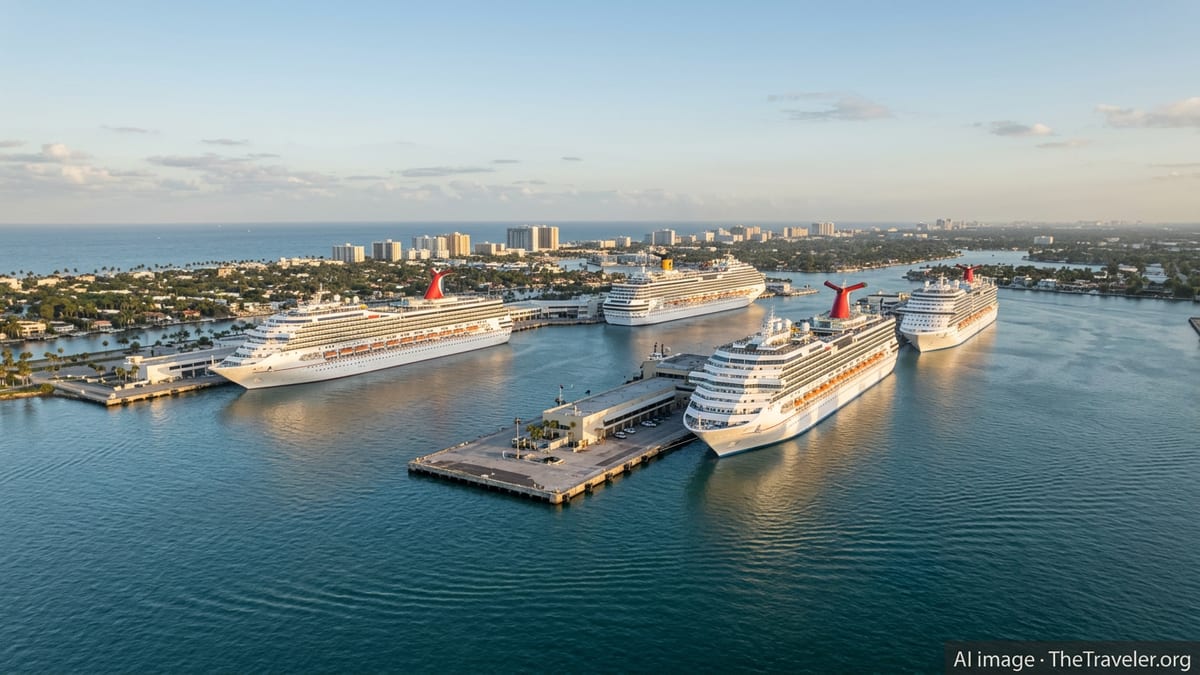
Regal Princess completes voyage after tragedy at sea
Publicly available coverage indicates that the incident occurred on July 13, 2026, while the Regal Princess was sailing off the coast of Cancún, Mexico, on a seven day Western Caribbean cruise that departed Port Everglades in Fort Lauderdale on July 11. The ship, which carries more than 3,500 guests and around 1,300 crew, had been scheduled to call at ports in Mexico, Belize and Honduras before returning to South Florida.
News outlets including NBC affiliate stations, Global News and cruise industry publications report that a crew member went overboard in the early hours of the morning, triggering a large scale search effort involving the ship and local maritime responders. The crew member was later confirmed dead, and the voyage continued toward its planned conclusion.
Tracking information and published cruise schedules show that Regal Princess maintained its overall itinerary and returned to Port Everglades as scheduled on Saturday, July 18, where disembarking passengers reentered one of the busiest cruise gateways in the United States after an emotionally charged week at sea.
Search and recovery effort near Cancún
According to cruise focused news sites and regional media coverage, alarms were raised when the crew member was reported missing and surveillance indications suggested the person had gone overboard. Automatic man overboard alerts are not universal across the cruise industry, and reports suggest the response in this case relied on a combination of onboard procedures, visual searches and coordination with coastal authorities.
Cruise news outlets that analyzed vessel tracking data describe the ship slowing, turning and maneuvering in the waters off Cancún as search operations unfolded. Lifeboats and rescue craft were deployed to sweep the area where the crew member was last believed to be, while passengers reported prolonged periods of reduced speed and restricted outdoor access as the efforts continued.
Coverage from several broadcasters states that the search lasted several hours across more than one designated zone before the crew member was recovered and pronounced dead. No further details about the individual’s identity, role on board or the circumstances leading up to the fall have been made public through official channels at this time.
Passenger accounts describe somber atmosphere on board
Accounts shared on cruise forums and social media platforms by travelers who say they were on the sailing describe a subdued atmosphere on board after word of the incident began circulating. Some passengers reported hearing announcements about a missing crew member and observing crew engaged in intensive operations on the open decks and alongside the hull.
Comments posted online reference public areas temporarily closing and outdoor decks being cleared during the search, measures that align with standard procedures during man overboard responses. Travelers also mention that entertainment schedules were adjusted and that some onboard events adopted a more restrained tone following news of the death.
While such accounts cannot be independently verified in detail, they are consistent with previous large ship incidents in which a person has gone overboard during a voyage. Regular cruisers commenting on the incident noted that these rare events often leave a lasting emotional impact on both guests and crew, particularly when a staff member is involved.
Questions raised over cruise safety and crew welfare
The death of a crew member under these circumstances has renewed debate over safety practices and working conditions in the cruise industry. Analysts and maritime commentators point out that person overboard events remain statistically infrequent compared with the tens of millions of passengers and crew who sail each year, yet they continue to draw significant public concern when they occur.
Cruise monitoring organizations and travel industry observers say the case is likely to spur fresh scrutiny of surveillance coverage, railing heights, mental health support for crew and the potential wider adoption of dedicated man overboard detection systems that can speed up rescue responses. Advocacy groups have long argued that faster detection and notification technology can be decisive in survival chances when someone enters the water unexpectedly.
Reports also highlight the particular pressures faced by crew members, who often work long contracts far from home in demanding roles. Although no publicly available information has yet clarified whether this incident involved an accident, self harm or other factors, specialists in maritime labor issues note that crew welfare programs have become a growing focus for major cruise brands in recent years.
Port Everglades remains a hub amid heightened awareness
Port Everglades, located in Fort Lauderdale, is among the world’s leading cruise homeports and a primary base for Princess Cruises in the Caribbean season. The return of Regal Princess after the overboard death has brought renewed attention to the port’s role as a starting and ending point for itineraries that, while generally routine, can sometimes be marked by serious emergencies at sea.
Travel advisors and cruise watchers following the incident say they do not expect immediate widespread cancellations from the traveling public, noting that demand for Caribbean sailings out of South Florida remains robust. However, they anticipate that some prospective guests will pay closer attention to safety briefings, balcony behavior guidelines and the visibility of crew training drills when they step aboard.
As investigations proceed and more details potentially emerge through official channels and regulatory filings, the case of the crew member who died after going overboard from Regal Princess is likely to remain a reference point in ongoing discussions about safety technology, crew support and risk management on large cruise ships operating from Port Everglades and other major ports worldwide.