


More news on this day
Vladimir Putin is confronting a fast‑escalating aviation crisis after Ukraine warned airlines that Russian airspace is becoming unsafe, raising new doubts over the reliability of flights to and from the country.
Get the latest news straight to your inbox!
Kyiv’s Stark Warning Turns Up Pressure on Russian Skies
Ukraine has formally urged airlines, insurers and aviation stakeholders to reassess the risks of operating in Russian airspace, arguing that an expanding drone campaign is making the skies increasingly hazardous. In a recent public statement, President Volodymyr Zelenskyy said Russian airspace is "becoming completely unsafe" for civilian aviation and declared that the "safe days" in Russia’s skies are over, according to multiple international reports.
The warning follows months of Ukrainian long‑range drone strikes against targets across Russia, including oil depots, logistics hubs and infrastructure near major population centers. Aviation‑focused analyses indicate that hundreds of drones are now being launched on many days, significantly increasing the likelihood of temporary airport closures and diversions as Russian air defenses respond.
Ukraine’s government insists it is not seeking to target civilian aircraft, emphasizing that its operations are aimed at military and strategic infrastructure. However, officials in Kyiv have notified international aviation bodies that dense drone activity and associated countermeasures around key Russian airports raise the baseline risk level for any airline that continues to use the country’s airspace.
Drone Disruptions Drive Surging Airport Closures
Data from aviation risk consultancies cited in recent coverage suggest that airport disruptions inside Russia have spiked sharply as drone incursions increase. One widely referenced analysis by Osprey Flight Solutions, quoted in several outlets, found that the number of temporary airspace closures around Russian airports in August reached close to 1,000, compared with fewer than 200 in the same month a year earlier.
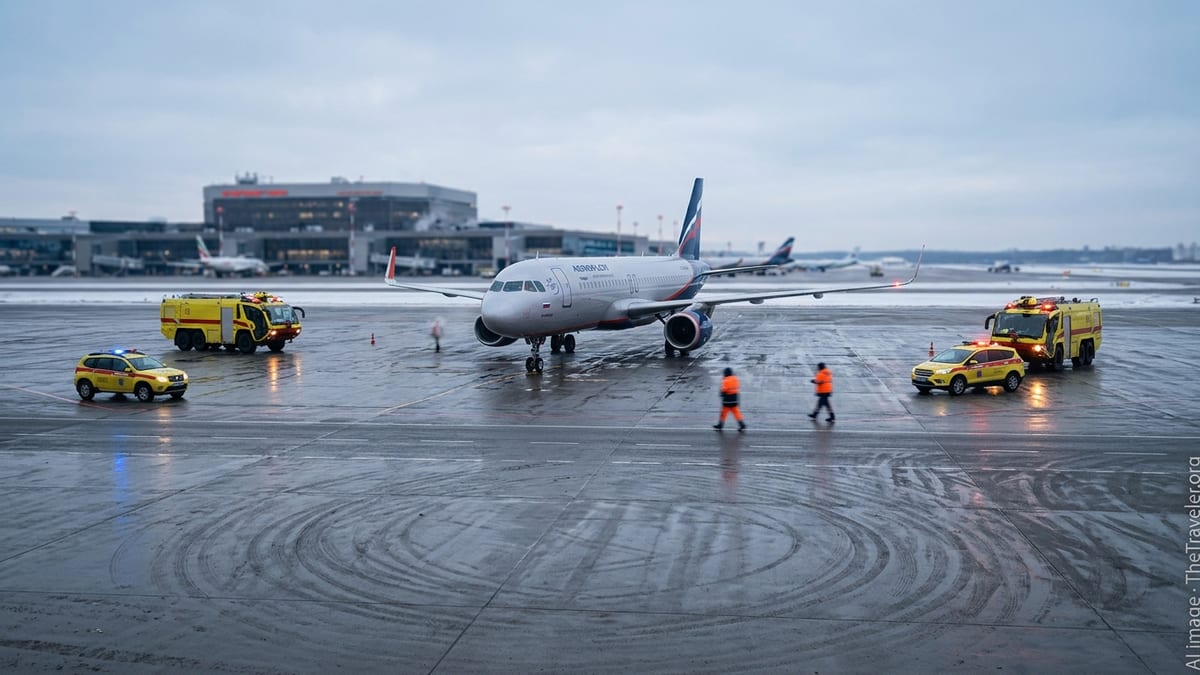
Reports indicate that Russian authorities are repeatedly halting arrivals and departures at major hubs when drones are detected, in order to clear airspace for intercept operations and avoid potential collisions or misidentification of civilian aircraft. Recent dispatches from Moscow describe flights suspended or delayed at the capital’s main airports, including Sheremetyevo, Domodedovo, Vnukovo and Zhukovsky, as well as at major regional gateways such as Sochi.
Analysts quoted by international media say Ukraine is seeking to create what some in Kyiv have reportedly dubbed "Operation Carpet" by sustaining such a high tempo of drone activity that intermittent interruptions to flight schedules could broaden into an effective shutdown for parts of Russian commercial aviation. Even if a full closure does not materialize, the sheer frequency of disruptions is already complicating airline scheduling and risk calculations.
Moscow Strikes Defiant Tone as Airlines Reassess Risk
The Kremlin has reacted sharply to Kyiv’s campaign and its efforts to dissuade foreign carriers from using Russian airspace. According to independent Russian outlet Meduza and international wire services, Putin has described Zelenskyy’s comments about the danger facing civilian airlines as an attempt at "state terrorism" and has pledged that Russia will "find a way to answer" if tragedies occur.
Russia’s transport ministry has simultaneously attempted to project calm, with public statements reported by Reuters stressing that authorities are continually tightening flight‑safety and airport‑security requirements and that they will not allow widespread disruption to civil aviation. Officials cited by Russian news agencies claim that technological solutions and reinforced procedures can keep commercial operations running even as military activity intensifies.
Despite those assurances, several carriers are already edging away from the Russian market. Coverage in outlets including The Daily Beast and Yahoo News highlights recent decisions by airlines such as Air Tanzania to suspend flights to Russia after internal risk assessments, while Turkish low‑cost carrier Pegasus has paused services citing technical and operational reasons. Other Middle Eastern and Asian airlines continue to operate, but many have stated publicly that they are closely monitoring the situation and adjusting routings when needed.
Global Airlines Confront a Shifting Route Map
The dispute over Russian airspace is reverberating across international travel networks that were already reshaped by Russia’s full‑scale invasion of Ukraine. European Union carriers have for the most part been barred from Russian skies since 2022, forcing lengthy detours on some routes to Asia. By contrast, airlines based in the Gulf, Turkey, India and parts of Asia have continued to use Russian air corridors, benefiting from shorter flight times and lower fuel burn.
Now, Ukraine’s warnings and the scale of drone operations are introducing new uncertainty for those remaining operators. Aviation risk bulletins cited in specialist and mainstream coverage note that insurers, lessors and corporate travel departments are reassessing exposure as the intensity of strikes grows and as Ukraine publicly signals that Russian skies are effectively a combat zone reserved for drones and air defenses.
Industry analysts point out that any significant reduction in overflights could further isolate Russia’s aviation market and increase costs for airlines that reroute around its vast territory. For passengers, the immediate impact would likely be felt in longer flight times and potential fare increases on some intercontinental routes, as well as reduced connectivity to Russian cities that had remained accessible via non‑Western carriers.
Tourism and Domestic Aviation Under Strain
The unfolding crisis comes on top of longer‑running pressures on Russia’s aviation and tourism sectors. Earlier reporting from international outlets has described how foreign visitor numbers have fallen since the invasion, with many travelers deterred by geopolitical tensions, sanctions and concerns about safety and payment systems. The new wave of airspace anxiety risks compounding those trends.
Domestic airlines, already grappling with limited access to spare parts and Western‑made aircraft, now face additional scheduling and operational challenges. Each new drone alert that closes an airport or a flight corridor can ripple through the network, leading to delays, cancellations and higher operating costs. Russian carriers are under pressure to maintain services while managing heightened security procedures and rerouting around active military zones.
For Putin, the combination of mounting drone attacks, public safety warnings from Kyiv and a slow trickle of airlines stepping back from the Russian market amounts to a reputational setback as well as an economic one. While Moscow insists it can keep planes flying, the perception that Russia’s skies are no longer reliably open to civilian travel is emerging as another visible sign of a war that has begun to erode normal life far beyond the front lines.
The Daily Beast: Putin Hit With Humiliating Warning as Air Travel Crisis Explodes
The Guardian: Russian airspace becoming unsafe for commercial airlines, Zelenskyy says
Euronews: Ukraine formally warns airlines that Russian airspace is unsafe
Reuters via ThePrint: Moscow vows to avoid airspace disruption despite Zelenskyy’s aviation warning