


More news on this day
Finland and Sweden are moving ahead with the Rail Nordica project, a strategic cross-border rail corridor that is expected to reshape how visitors move between Nordic cities, rural landscapes and Arctic attractions, opening new possibilities for Northern European tourism growth.
Get the latest news straight to your inbox!
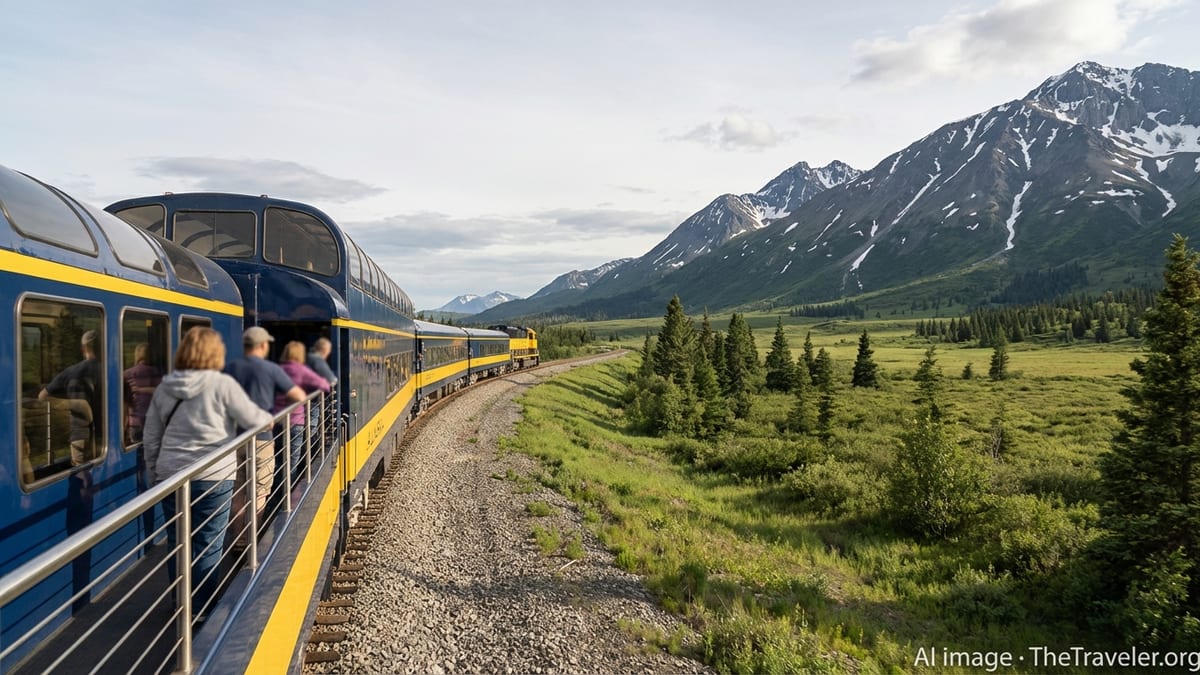
A Strategic Cross-Border Link Taking Shape
Recent announcements from Finnish and Swedish transport bodies, along with new planning contracts awarded to engineering groups, indicate that Rail Nordica has entered a more concrete development phase. The project focuses on introducing European standard-gauge track in northern Finland and tying it into Sweden’s network through the Tornio Haparanda border area. Publicly available planning documents describe Rail Nordica as a key step in connecting Finland to the wider European rail system via northern Sweden.
The corridor is designed to complement the restoration of cross-border passenger services between Finland and Sweden, which are scheduled to launch in June 2026 between the twin towns of Tornio and Haparanda. According to published coverage, this will mark the first regular modern passenger rail link between the two countries in more than three decades, allowing through journeys that combine Finnish and Swedish services on a single itinerary.
Rail Nordica’s early implementation focuses on the section between Kemi, Tornio and the Swedish border, where dual gauge and new infrastructure will allow both Finnish broad-gauge and European standard-gauge trains to operate. Planning material from the Finnish Transport Infrastructure Agency highlights the goal of embedding this stretch into the European core transport network, making northern Finland more accessible for long distance trains that already serve northern Sweden.
For tourism, this emerging backbone is significant because it turns what has long been a hard border for rail passengers into a functional gateway. Instead of using buses or ferries to bridge gaps, future visitors could move in stages by train from Central Europe to Stockholm, continue north through Sweden and then cross into Finnish Lapland on coordinated rail services.
Unlocking City to Countryside Tourism Flows
Tourism boards across Northern Europe have spent years promoting multi country itineraries that combine Scandinavian capitals with nature focused destinations in Lapland and along the Gulf of Bothnia. Rail Nordica aligns with that strategy by making it easier to mesh urban city breaks with remote Arctic and coastal stays without relying on domestic flights.
On the Swedish side, regional services already link Stockholm with northern cities such as Luleå and Boden, before continuing to Haparanda at the Finnish border. On the Finnish side, long distance night trains connect Helsinki and major southern hubs with Lapland’s gateway cities including Oulu, Rovaniemi and Kemijärvi. Once the cross-border segment is fully integrated into Rail Nordica, itinerary planners expect passengers to be able to string these routes together into continuous journeys that move from capital to countryside and across national borders.
Industry analyses of Nordic tourism trends suggest growing demand for slower, rail based travel among European visitors who want to reduce their flight footprint while still reaching remote destinations. By knitting together existing domestic services with new cross-border capacity, Rail Nordica offers a framework for dedicated tourism products such as rail passes, themed “Arctic circle” routes and seasonal trains that serve ski resorts, national parks and summer hiking areas on both sides of the border.
Regional airports and ports are still expected to play a role, but tourism planners increasingly see rail as the spine of a multimodal network. With a functioning land bridge between Finland and Sweden, visitors could arrive by ferry to Stockholm or Helsinki, continue north by train and return via a different route, creating circular journeys that distribute spending across multiple regions and communities.
Standard Gauge as a Gateway to the European Network
A distinctive element of Rail Nordica is its focus on bringing European standard-gauge track into Finland, which historically has used a broader gauge inherited from its early rail development. Reports on the project highlight how this change aims to end Finland’s status as a “rail island” by allowing rolling stock from the rest of Europe to operate deeper into the country without complex transfers.
Rail Nordica planning documentation and recent coverage of the Sweco and AFRY design contracts describe the corridor as part of the trans European transport network. In practice, this means that in the longer term, trains could run from Central Europe through Denmark and Sweden and then cross into Finland on compatible track, subject to rolling stock availability and passenger demand. For tourism, that type of through running would open the door to direct international services similar to existing night trains that already connect Scandinavia with continental destinations.
Even before such long distance services materialise, standard gauge access into northern Finland could support charter operations, seasonal tourist trains and combined rail cruise products marketed in partnership with European tour operators. These offerings would be able to use familiar European rolling stock, lowering the barrier to entry for companies that already run services elsewhere in the continent.
Economic studies from regional authorities in Lapland and northern Sweden point to tourism as one of the sectors most likely to benefit from better integration with the European rail grid. Improved freight links support hospitality supply chains, while passenger services can help extend the season for smaller destinations that depend on winter ski traffic or summer nature tourism by making shoulder season travel easier and more affordable.
Rural Communities and Lapland Destinations Stand to Gain
While Rail Nordica is often framed as a strategic infrastructure project tied to logistics and security, published regional planning material also underlines its role in supporting local communities. Many of the towns along the corridor are small, with economies that combine industry, services and nature based tourism. A reliable cross-border rail spine can help them attract visitors who might otherwise fly north and bypass intermediate stops.
Lapland in particular is expected to benefit from smoother access via rail, as the region already draws international visitors for Northern Lights viewing, winter sports, Arctic wildlife experiences and Sami cultural tourism. With Rail Nordica connecting into existing Finnish night trains, visitors could travel in sleeping cars from southern Finland toward the Arctic and then connect into cross-border services that open routes back through Sweden, encouraging multi destination trips rather than single resort stays.
For rural destinations in the Bothnian Bay and Tornio Valley, the project may also help diversify visitor flows. Instead of acting solely as transit points, border communities could promote riverfront nature, local food experiences and cultural events to rail passengers who have an extra night to break up long journeys. Improved timetable coordination between Swedish and Finnish operators around Tornio and Haparanda will be essential to make these shorter stays convenient.
Local development strategies cited in planning materials suggest that small towns are preparing to adapt by improving station areas, wayfinding and last mile connections such as shuttle buses, bike rentals and guided transfers. These measures are seen as crucial to converting new rail capacity into tangible tourism revenue rather than simply providing a faster way for travelers to pass through.
Next Steps for Implementation and Tourism Readiness
With design contracts awarded and environmental assessment work under way, Rail Nordica has moved from concept to a staged implementation path that will extend through the late 2020s. Publicly available timetables indicate that the first visible milestone for travelers will be the June 2026 launch of cross-border passenger services in the Tornio Haparanda area, using existing infrastructure that has already been electrified and upgraded.
As planning for new standard-gauge sections between Tornio and Kemi advances, attention is likely to shift toward financing, detailed route choices and integration with freight operations. Tourism stakeholders are watching closely, since construction phasing and capacity decisions will shape how many passenger paths can be allocated to regional, long distance and potential international services in peak seasons.
Destination marketing organizations in Finland and Sweden are beginning to position the emerging corridor as part of a wider Northern European rail story that also includes projects such as Rail Baltica and new cross-border connections in the Baltic Sea region. While each initiative follows its own timetable, the combined effect is to make overland travel to and within the Nordics more practical for visitors who previously relied on short haul flights.
For now, Rail Nordica remains a long term investment, but its recent progress signals a shift in how Finland and Sweden imagine mobility across their northern territories. If current plans hold, future travelers could weave together Scandinavian capitals, small border towns and Lapland wilderness on a single series of rail journeys, redefining the map of Northern European tourism in the decade ahead.