


More news on this day
Passengers at Reno-Tahoe International Airport in Nevada are encountering a new wave of travel disruption as publicly available data show at least 24 flights delayed and four canceled across several major U.S. carriers, affecting key domestic routes to Denver, Las Vegas, Phoenix, Los Angeles, Seattle and San Francisco.
Get the latest news straight to your inbox!
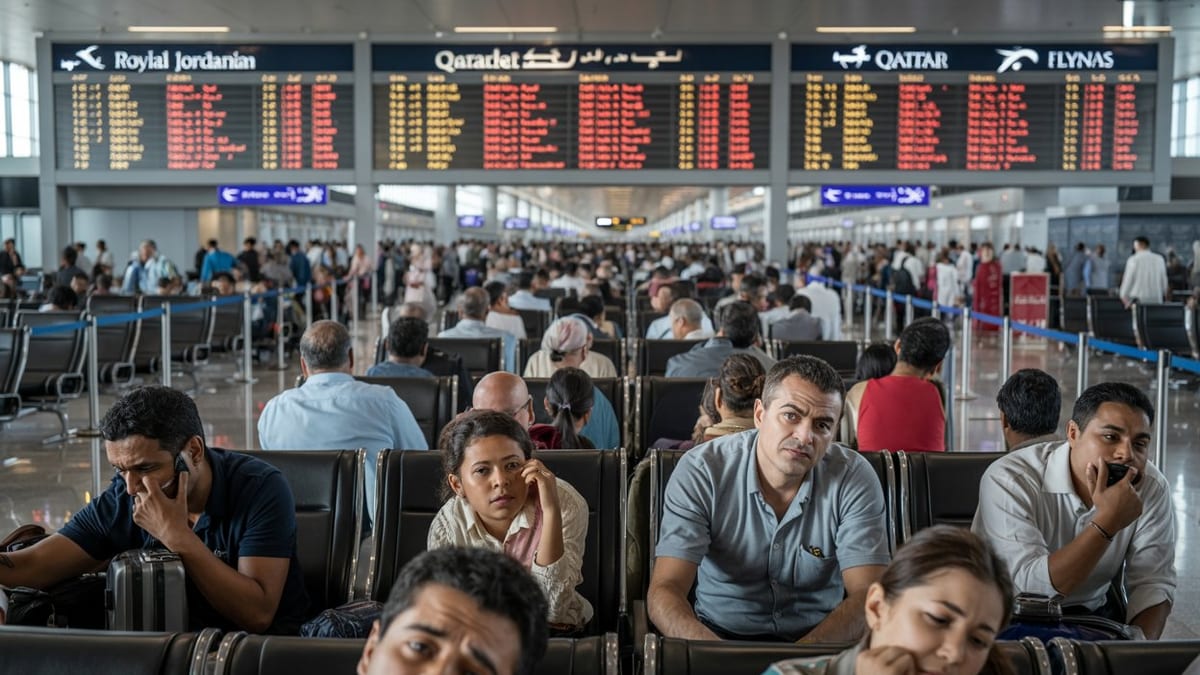
Delays Ripple Across Major Western Hub Connections
Tracking services and airport information on June 8 indicate that the delays and cancellations are concentrated on some of Reno-Tahoe’s busiest domestic corridors, including links to Denver, Las Vegas, Phoenix, Los Angeles, Seattle and San Francisco. These routes serve as critical connections for both leisure and business travelers moving through the western United States.
Publicly available flight schedules show that United Airlines, Southwest Airlines, American Airlines and Alaska Airlines each operate multiple daily departures on these routes, meaning even a relatively small number of disrupted flights can affect a large volume of passengers throughout the day. The impacted services include both morning and afternoon departures, increasing the likelihood of missed connections further down the line for travelers heading to secondary destinations.
While the precise mix of delays and cancellations varies by carrier, route data suggest that services to major hubs such as Denver and San Francisco are particularly sensitive to operational challenges, as disruptions there can cascade through already tight summer schedules. Travelers relying on these airports for onward connections may face longer layovers, rebookings or overnight stays.
Information from route and timetable databases underscores Reno-Tahoe’s role as a feeder to larger coastal and mountain hubs, with multiple daily round trips typically operating to each of the affected cities. That structure can amplify the impact of any disruption, even when the number of canceled flights remains relatively limited.
United, Southwest, American and Alaska Among Impacted Carriers
According to real-time tracking platforms, the latest disruptions at Reno-Tahoe involve a cross-section of major domestic airlines. United Airlines, which maintains frequent services between Reno and San Francisco and Denver, is among the carriers showing delayed departures and arrivals on June 8, in line with the hub-and-spoke nature of its western U.S. network.
Southwest Airlines, a key operator on the Reno to Las Vegas, Denver and Southern California routes, also appears within the group of disrupted services. Summer schedules indicate multiple daily round trips between Reno, Las Vegas and Denver, so delays or cancellations on just a handful of flights can quickly affect seat availability and connection options for passengers seeking alternative routing.
American Airlines and Alaska Airlines, both important for Reno’s links to Phoenix, Los Angeles and Seattle, are also represented among the affected flights. Public scheduling data for recent months show American as a primary operator on the Reno to Phoenix corridor and Alaska as a dominant carrier on the Reno to Seattle route, highlighting how disruptions across several brands can collectively limit options for rebooking.
With four outright cancellations reported alongside more than twenty delays, passengers on all four airlines are experiencing a mix of extended waits at the gate, aircraft swaps and rerouting. In some cases, travelers may be offered connections through different hubs or shifts to later-in-the-day departures as airlines work to rebalance their operations.
Knock-on Effects for Peak-Season Travel
The timing of the disruption coincides with the early summer travel period, when demand for flights into and out of Reno-Tahoe intensifies. The region’s popularity as a gateway to Lake Tahoe, northern Nevada and the Sierra Nevada makes June a busy month, and schedule summaries show a dense pattern of departures to key western hubs during this season.
Because many passengers using Reno-Tahoe are connecting via Denver, Phoenix, Los Angeles, Seattle or San Francisco to reach destinations nationwide, even modest delays can trigger missed onward flights. For example, a late afternoon departure from Reno to Denver can jeopardize evening connections to the Midwest or East Coast, while holdups on Reno to San Francisco services can disrupt links to transcontinental or international flights.
Travel planning resources indicate that carriers typically run multiple daily frequencies on these routes during peak periods, which can help to absorb some disruption by allowing rebooking on later flights. However, higher summer load factors reduce the number of available seats, making it more difficult for affected travelers to secure same-day alternatives, particularly for groups or families traveling together.
The cumulative effect is a more crowded and time-pressured experience throughout the day at both Reno-Tahoe and the larger connecting airports it feeds. Extended queues at customer service desks, longer waits at boarding gates and competition for rebooking options are all common features of such multi-carrier disruption events.
Reno-Tahoe’s Role in the Western U.S. Air Network
Recent airport statistics and schedule overviews describe Reno-Tahoe International as a mid-sized facility with outsized importance for regional connectivity. It links northern Nevada and the Lake Tahoe area to a web of western hubs, including Denver, Las Vegas, Phoenix, Los Angeles, Seattle and San Francisco, which collectively handle millions of connecting passengers each year.
Published flight schedules for the past year show that these six cities consistently rank among Reno-Tahoe’s busiest destinations, supported by multiple airlines and frequent daily departures. United’s network to Denver and San Francisco, Southwest’s operations to Las Vegas and Denver, American’s focus on Phoenix and Alaska’s strong presence on routes to Seattle and Los Angeles underscore the airport’s role as a critical spoke in larger national and international networks.
This structure means that disruptions at Reno-Tahoe rarely remain a purely local issue. When flights are delayed or canceled on any of these core routes, the effects can ripple through connecting banks at large hub airports, adding pressure to gate operations and pushing back departure times for subsequent legs. As a result, an issue originating in northern Nevada can contribute to wider congestion across the western half of the country.
The current round of delays and cancellations therefore highlights both the importance and the vulnerability of this segment of the U.S. air transport system. Even a short-lived irregular operations event can serve as a stress test for the interlocking schedules connecting smaller markets with major hubs.
What Travelers Can Expect as Operations Stabilize
As airlines work through the day’s disruptions, travelers at Reno-Tahoe can expect a gradual normalization of schedules, although residual delays may persist into later departures. Experience from similar events suggests that the evening wave of flights can still be affected, particularly on routes where aircraft and crews are tightly scheduled across multiple legs.
Public information from airline websites and airport resources consistently advises passengers to monitor flight status closely on the day of travel, arrive earlier than usual when there is known disruption and be prepared for gate or schedule changes. In periods of high demand, travelers may also see longer lines at check-in counters and customer service desks as carriers rebook those affected by the four cancellations and dozens of delays.
Reports from recent irregular operations at other western hubs indicate that rebooking options may involve routing through alternative airports or shifting to early-morning departures the following day, especially for long-distance connections that depend on specific banks of flights. For Reno-Tahoe passengers, that can mean new itineraries connecting through secondary hubs instead of the originally planned Denver, Phoenix or San Francisco links.
For now, the situation at Reno-Tahoe International illustrates how even a limited number of cancellations can significantly disrupt travel when layered on top of widespread delays, high seasonal demand and a tightly interconnected network of western U.S. hubs.