


More news on this day
Riyadh Air has welcomed its first Boeing 787-9 Dreamliners to the Saudi capital, a landmark delivery that positions the new national carrier for its long-planned commercial launch this summer.
Get the latest news straight to your inbox!
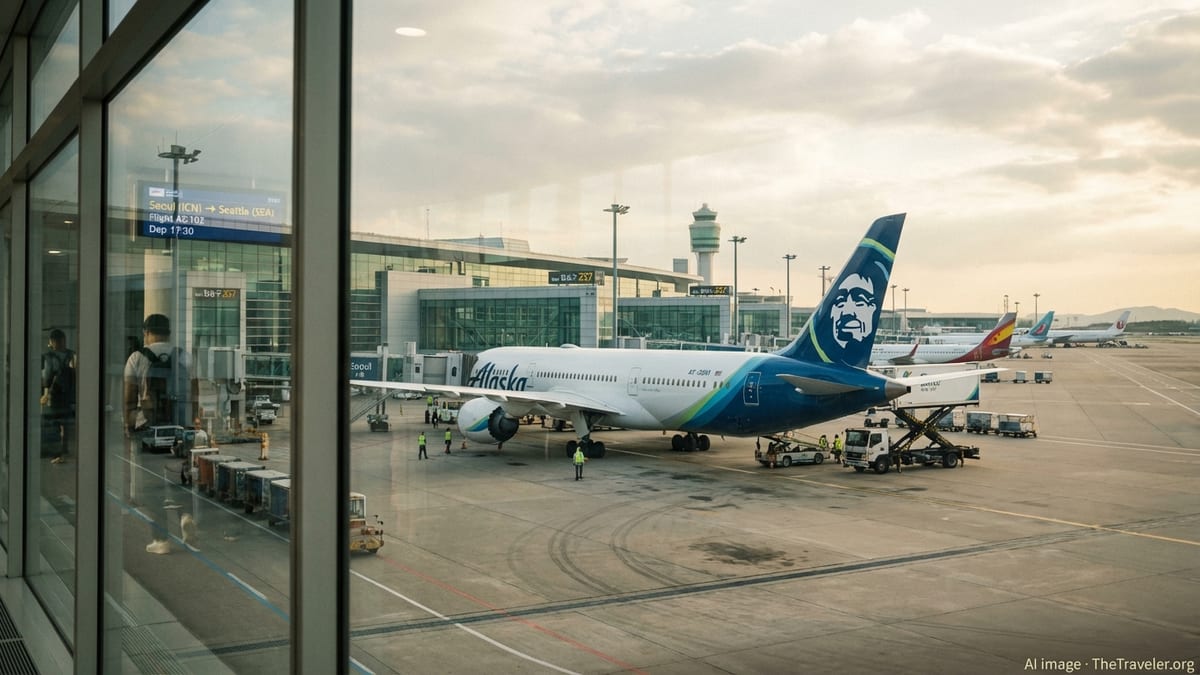
A Twin-Dreamliner Arrival Signals Takeoff for Riyadh’s New Airline
Publicly available information shows that Riyadh Air took delivery of its first two factory-fresh Boeing 787-9 Dreamliners on June 5, with both aircraft touching down at King Khalid International Airport in a coordinated arrival. Aviation coverage notes that the widebodies, registered HZ-RXAA and HZ-RXAB, are the airline’s first fully owned jets and mark the official start of its in-house fleet era after earlier operations depended on leased aircraft.
Reports describe a ceremonial welcome in Riyadh, including a traditional water salute as the new jets taxied in wearing Riyadh Air’s signature purple livery. The simultaneous arrival underlined the scale of the start-up’s ambitions as it moves from branding and fleet planning into active preparation for scheduled services.
Industry reporting indicates that the deliveries had been delayed by broader production and certification challenges at Boeing, which forced Riyadh Air to adjust its original launch timeline. The eventual handover of the first pair of Dreamliners is therefore viewed as a major confidence boost, signaling that the program is back on track ahead of the airline’s target for commercial operations.
Fleet tracking data suggests that these initial deliveries will quickly be followed by additional 787-9s, with several completed aircraft already in advanced stages of testing and acceptance. The pace of arrivals over the coming months is expected to determine how rapidly Riyadh Air can scale up its network through 2026 and 2027.
Inside the Boeing 787-9: What Travelers Can Expect Onboard
The Boeing 787-9 is a long haul widebody designed to balance fuel efficiency with passenger comfort, and Riyadh Air’s choice of the type is central to its network strategy. The 787 family is built around a composite fuselage and advanced aerodynamics that allow airlines to operate long routes with lower fuel burn compared with earlier generation twin aisles in the same size category.
Passengers are likely to notice several hallmark features of the Dreamliner cabin. These typically include larger windows than most rival aircraft, electronic dimming in place of traditional shades, higher cabin humidity, and a lower cabin altitude setting intended to reduce fatigue on long flights. Industry analysts suggest these characteristics will be key selling points as Riyadh Air seeks to attract premium and connecting traffic through its Riyadh hub.
While full cabin layouts for Riyadh Air’s 787-9 fleet have yet to be detailed in public technical documentation, the airline has consistently positioned itself as a digitally focused, design-led carrier. Based on published partnerships for inflight entertainment and connectivity, observers expect seatback screens at every seat, high bandwidth Wi Fi, and a contemporary premium cabin with lie flat seating aimed at business and high end leisure travelers.
The 787-9’s range performance also gives Riyadh Air flexibility to serve both dense regional markets and long haul destinations in Europe and Asia from the Saudi capital. This capability supports the carrier’s stated goal of offering direct links from Riyadh to major global cities within the first phase of its expansion.
From Vision to Runway: How the Delivery Fits into Saudi Aviation Strategy
Riyadh Air was announced in 2023 as part of Saudi Arabia’s broader strategy to transform the kingdom into a global tourism and business hub. Early fleet plans pointed to an all Boeing long haul lineup of up to 72 787-9 Dreamliners, a figure that has since been complemented by additional Airbus orders as the network vision has matured.
The arrival of the first two 787-9s is seen by analysts as a practical manifestation of that strategy. With widebody aircraft now physically in Riyadh rather than only on order books or test lines in the United States, the carrier can accelerate crew training, regulatory approvals, and route proving activities required before full scale commercial launch.
Published coverage emphasizes that Riyadh Air aims to connect the Saudi capital to more than 100 destinations by 2030. The long range 787-9 fleet is central to that target, enabling nonstop services from Riyadh to key European, Asian, and potentially North American gateways while also supporting high frequency regional links across the Middle East, North Africa, and the Indian subcontinent.
For Saudi Arabia’s aviation sector, the milestone adds a new competitor to an already dynamic regional landscape. Analysts note that Riyadh Air’s entry is expected to complement rather than replace the role of other Saudi carriers, reinforcing the kingdom’s bid to capture a larger share of global transfer traffic that currently flows through other Gulf hubs.
Network Plans: London First, With More Long Haul Routes to Follow
Recent announcements from Riyadh Air’s shareholder, the Public Investment Fund, indicate that the airline is prioritizing a daily Riyadh to London service as its flagship inaugural route. Ticket sales for this corridor have already opened, with operations scheduled to begin on July 1 using the new Boeing 787-9 aircraft that have now arrived in the kingdom.
Industry reports suggest that London was chosen both for its strong business and leisure demand and for its role as a highly visible showcase market for the new brand. A competitive premium cabin, advanced inflight entertainment, and efficient schedule timings will be central to the carrier’s effort to carve out space on what is already a well served city pair.
Additional destinations are expected to be unveiled in the coming weeks as further 787-9s are inducted into the fleet. Market speculation, based on earlier planning documents and aviation commentary, points to high profile cities such as Paris, Frankfurt, and major Asian hubs as early candidates, alongside key regional routes including Cairo and Jeddah.
As the network grows, Riyadh Air is expected to leverage Riyadh’s geographic position at the crossroads of three continents to build a transfer hub between Europe, Asia, and Africa. The operational flexibility of the 787-9, with its ability to operate both medium and long sectors efficiently, fits closely with that connecting traffic model.
What This Means for Travelers Watching the Skies
For travelers planning trips from or through Saudi Arabia, the arrival of Riyadh Air’s first Dreamliners signals that new options are imminent on some of the region’s most competitive long haul routes. Once the airline completes final certification steps and launches scheduled operations, passengers can expect a new entrant vying on service, product design, and connectivity.
Aviation observers highlight that increased competition on corridors such as Riyadh to London often translates into more choice of schedules and cabin products, along with potential pricing pressure across cabins, particularly in premium classes. The timing of Riyadh Air’s debut in mid 2026 also coincides with a broader recovery in international travel demand and a wave of new aircraft deliveries across multiple airlines.
For those specifically interested in experiencing the Boeing 787-9, Riyadh Air’s growing widebody fleet will add more Dreamliner capacity into global markets where the type is already popular among passengers. As more routes are announced and more aircraft enter service, travelers will be able to factor the new Saudi carrier’s offerings into their long haul planning for 2026 and beyond.
While the precise pace of network expansion will depend on further deliveries and regulatory milestones, the sight of two freshly painted 787-9s on the tarmac in Riyadh confirms that the new airline’s long anticipated plans are moving from concept to reality, with the first wave of paying passengers expected to board within weeks.