


More news on this day
Air France has kept its Paris–Dubai route on pause as regional tensions and conflict-zone airspace warnings continue to disrupt airline schedules across the Gulf, leaving UAE-bound travelers facing a shifting patchwork of suspensions, delays and reroutes.
Get the latest news straight to your inbox!
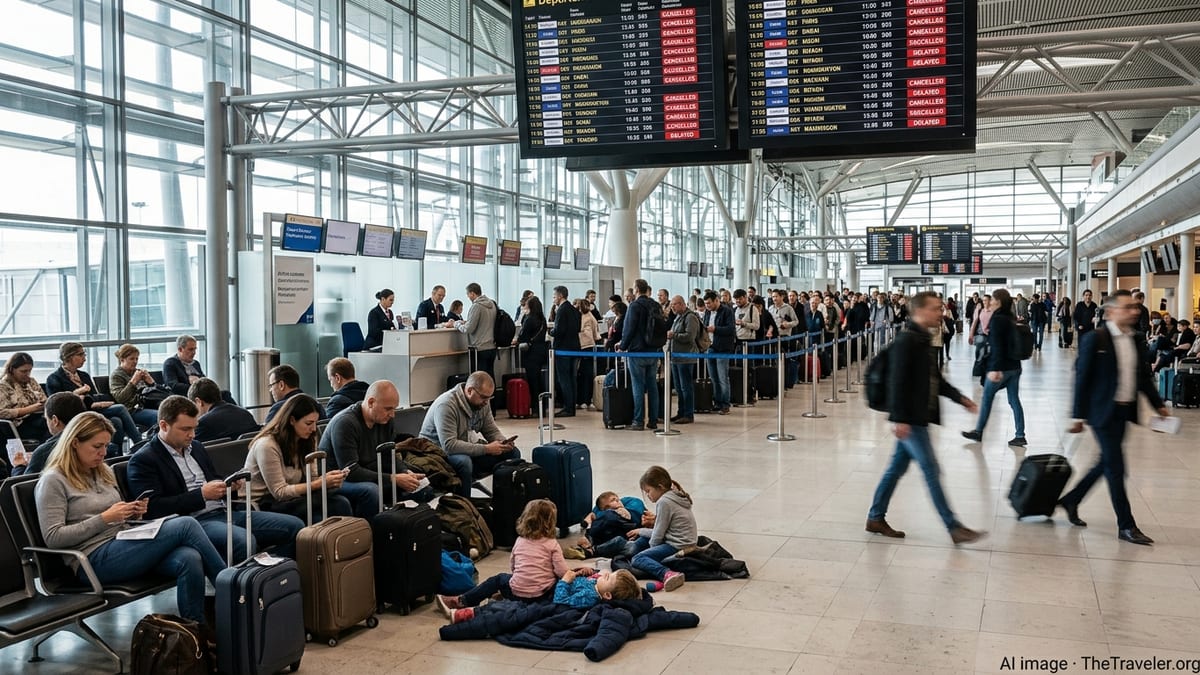
Air France extends Dubai suspension as security concerns linger
Publicly available airline updates and regional media reports indicate that Air France has extended the suspension of its Paris–Dubai flights beyond initial July targets, citing the evolving security situation in the Middle East and associated airspace restrictions. The carrier first halted services to Dubai, Riyadh and Beirut in July as tensions flared and regulators warned of elevated risk along key Gulf and Levant corridors.
Earlier advisories showed Dubai flights initially paused through late July, with subsequent communications extending that window into August as operators reassessed routings and overflight options. By early August, coverage of Air France’s summer schedule highlighted the continued suspension of services to Dubai, alongside Tel Aviv, Beirut and Riyadh, as the airline reallocated capacity to other long-haul markets while monitoring regional developments.
More recent reporting focused on UAE travel conditions notes that, while some international airlines have since returned to Dubai with reduced frequencies, others have opted to keep their routes on hold. In this context, Air France’s Dubai suspension has effectively rolled forward, with no firm restart date listed on public schedules, reinforcing messages that bookings on the route remain unavailable for the time being.
Searchable fare calendars on the carrier’s website still display promotional pricing between Dubai and Paris for dates later in the year, but these are accompanied by standard disclaimers that availability is subject to operational conditions. Industry analysts interpret this as a sign that the route remains commercially important, even as near-term operations are constrained by security assessments and airspace capacity limits.
Wider UAE flight disruption as airlines juggle routes
The pause in Air France’s Dubai service comes amid broader schedule upheaval affecting airports across the UAE. Travel and business media in the region report that nearly 20 flights a day have been delayed or cancelled on some recent dates, particularly on shorter regional sectors to Kuwait, Bahrain and other nearby destinations where airspace warnings and local security alerts have been most acute.
Dubai International and Abu Dhabi’s Zayed International Airport remain open, but operational updates show that some departures have been retimed or consolidated, and a number of regional services have been temporarily withdrawn. Reports describe knock-on effects, including longer transit times as airlines adopt more circuitous routings to avoid sensitive airspace and manage bottlenecks around key conflict-adjacent corridors.
European regulators have also taken a cautious stance. The European Union Aviation Safety Agency’s conflict-zone information bulletin for the Gulf has been extended several times, with the latest update maintaining guidance for airlines to exercise extreme caution and, where feasible, avoid certain portions of Gulf airspace. This advisory framework has underpinned many carriers’ decisions to thin out or temporarily suspend operations on specific Middle East routes, Dubai included.
At the same time, operational data cited in business coverage show that UAE-based airlines such as Emirates, Etihad, flydubai and Air Arabia have largely preserved their long-haul networks to Europe, Asia and North America. Adjustments have tended to focus on regional frequencies and flight timings rather than wholesale route cuts, a contrast with the more conservative posture taken by some foreign carriers.
How Air France’s pause affects UAE and Europe-bound travelers
For travelers moving between the UAE and France, the ongoing suspension of Air France’s Dubai flights has narrowed non-stop options and shifted demand to other hubs. Passengers who previously relied on the direct Paris–Dubai service now face a choice between connecting itineraries on Air France–KLM group partners or booking with competing carriers based in the Gulf and Europe.
Reports from regional outlets note that some passengers have been offered rebooking via alternative gateways or refunds, depending on fare conditions, when their original flights fell within the affected suspension windows. Travel advisers suggest that those holding future tickets on the Paris–Dubai route should closely monitor their bookings and be prepared for itinerary changes as long as the route remains off the active schedule.
In practice, many UAE–Europe journeys once routed through Paris on Air France have migrated to other major hubs, including Amsterdam, Frankfurt and Istanbul, where airlines continue to operate at or near regular schedules to Dubai. Industry commentary points out that this redistribution of traffic may persist even after Air France resumes operations, particularly if schedule restorations are gradual or capacity-limited.
Travel-planning resources continue to emphasize the importance of checking airline apps or websites on the day of travel, especially for flights touching any of the more sensitive airspace corridors. Passengers are also encouraged to pay close attention to notifications regarding involuntary schedule changes, which can unlock entitlement to alternative routings or refunds under applicable airline policies.
Outlook: cautious scheduling as tensions remain volatile
Looking ahead, coverage of airline planning suggests that carriers are building their Northern Hemisphere autumn schedules with a degree of caution, layering in contingency plans in case security conditions worsen. Some airlines have penciled in provisional restart dates for suspended Dubai services in late September and October, while others, such as Air France, continue to leave their Dubai routes paused without a fixed resumption date in public timetables.
Specialist logistics updates on the wider Middle East note that conflict-related airspace closures and reroutings have become a persistent feature of the operating environment, contributing to longer flight times and more complex planning for both passenger and cargo operations. The situation remains highly fluid, with the potential for rapid changes as diplomatic efforts and regional dynamics evolve.
For now, publicly available guidance from airlines and airports in the UAE underscores that core international connectivity is intact, but with elevated risk of disruption on certain routes. Travelers planning trips between the UAE and Europe, particularly via Paris, are being urged by travel advisers and consumer organizations to build extra flexibility into their itineraries, allow additional time at the airport, and remain alert to last-minute operational changes.
Observers expect that airlines will move quickly to restore suspended routes once regulators and internal risk assessments indicate that it is safe and commercially viable to do so. Until then, Air France’s continued pause on its Dubai flights stands as one of the more prominent examples of how regional tensions and airspace warnings are still reshaping travel through one of the world’s busiest aviation hubs.
TheTraveler.org: UAE flights update: Air France keeps Dubai route on hold
Euronews: Air France suspends routes to Riyadh, Dubai and Beirut
Gulf News: UAE flight update today and Gulf airspace warning
The National: Middle East flights and Dubai suspensions tracker