


More news on this day
Royal Caribbean has revised part of a Southern Caribbean itinerary, removing the popular island of Bonaire from an upcoming cruise and inserting a rarely visited Colombian port instead, in a move that highlights both port-capacity pressures and growing interest in Colombia as a cruise destination.
Get the latest news straight to your inbox!
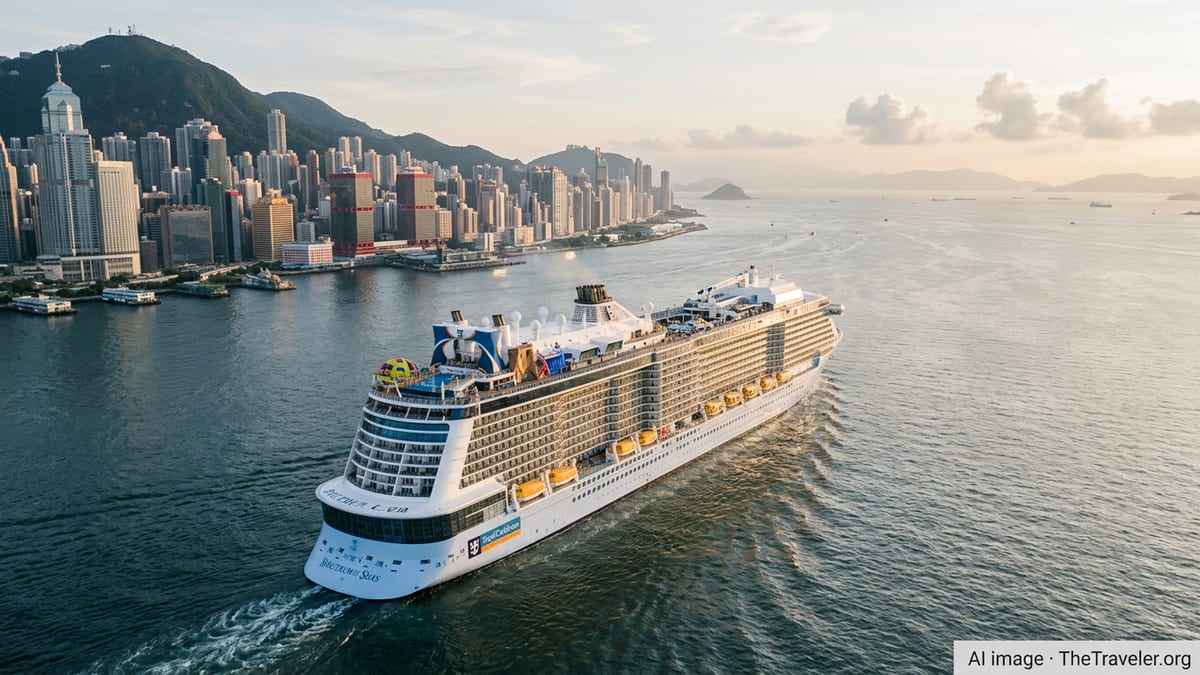
Itinerary Change Highlights a Subtle Shift in the Southern Caribbean
The latest adjustment affects a Southern Caribbean sailing that originally featured the so called ABC islands of Aruba, Bonaire and Curaçao. According to itinerary details shared across booking engines and cruise tracking sites, the call at Kralendijk, Bonaire, has been replaced by a Colombian port that seldom appears on Royal Caribbean schedules, creating a more South America focused route.
Publicly available itinerary data indicates that the revised cruise now strings together Cartagena and the lesser known Colombian call with calls at other Caribbean ports, offering passengers more time on the continent’s northern coast instead of the quieter Dutch Caribbean stop in Bonaire. The change follows a pattern of ongoing tweaks across the region as lines rebalance capacity and respond to port availability.
While Cartagena is a familiar name on Royal Caribbean deployment sheets, the additional Colombian port represents a rarer call, one that has traditionally appeared more often on niche or expedition style itineraries operated by smaller lines. Its appearance on a mass market Caribbean cruise underscores how Colombia’s Caribbean shore is gaining traction with large ship operators.
The substitution also illustrates how quickly itineraries can evolve between initial release and sailing. Travelers comparing early brochures with current online listings have noted that certain Southern Caribbean voyages for late 2026 and early 2027 now show a Colombian port where Bonaire once appeared, with other elements of the route left intact.
Port Access and Berth Constraints Behind Dropping Bonaire
Industry observers point to port access and berth constraints as likely drivers of the change. Bonaire’s small capital, Kralendijk, has limited pier capacity and regularly hosts vessels from multiple brands during the winter and shoulder seasons. Travel discussion boards and deployment summaries over the past year have reflected questions about reduced call frequency by some big ship operators when berths are fully committed to long term agreements with competitors.
Bonaire has become a sought after call for snorkelers and divers, with its fringing reef system and strict marine protections. However, its appeal is balanced against the practical limitations of hosting large ships on peak dates. When berthing windows shift or congestion increases, cruise lines sometimes opt to swap in alternate ports that can guarantee docking space at preferred hours.
Recent itinerary changes elsewhere in the Caribbean suggest that Royal Caribbean is willing to rework schedules when operational or safety considerations arise. Adjustments to calls in Haiti, for example, have been followed by a variety of substitutions across the region. This latest swap involving Bonaire appears to be part of that broader pattern of recalibration, though framed more around capacity and deployment than security.
For affected guests, the removal of Bonaire means the loss of a low key, nature heavy stop that often ranks high in post cruise satisfaction surveys. At the same time, the replacement port introduces an itinerary element that is far less familiar to many Caribbean cruisers.
Colombia Emerges as a Rising Cruise Destination
The decision to add a second Colombian port aligns with a wider upswing in the country’s cruise profile. Tourism reports from Colombia’s promotion agencies and maritime authorities show steady growth in passenger arrivals over the last several seasons, supported by expanding infrastructure in Cartagena and efforts to diversify the country’s cruise map beyond a single marquee port.
Newer Colombian calls on the Caribbean coast, such as Santa Marta and other smaller ports, have been promoted for their mix of colonial history, beaches, and access to national parks and mountain landscapes. Until recently, these stops were more common on itineraries from upscale or boutique brands, but mass market interest has begun to follow as operators test demand for routes combining classic island calls with mainland South American culture.
The revised Royal Caribbean itinerary effectively turns what was once an island hopping Southern Caribbean cruise into a more hybrid Caribbean and Colombia sailing. Passengers gain additional exposure to Colombian food, music and architecture, with the option to explore local coffee culture, archaeological sites or natural reserves, depending on the specific port and tour offerings available at the time of sailing.
Regional tourism planners in Colombia have emphasized cruise traffic as part of broader coastal development strategies, investing in terminals and shore excursion infrastructure. As more large ship brands schedule regular or one off visits, the visibility of these lesser known ports is likely to grow among North American travelers who might previously have only encountered Cartagena on Panama Canal or repositioning itineraries.
Passenger Reactions Mixed as Island Time Yields to Mainland Culture
Initial passenger reaction to the swap, as reflected in online cruise communities, appears mixed. Travelers who prioritized Bonaire for its snorkeling and laid back atmosphere have expressed disappointment at losing a port that is harder to reach on mainstream Caribbean itineraries. For some, the island was the key reason for choosing the sailing, given that it does not feature as heavily in deployment schedules as larger Caribbean hubs.
Others view the change as an opportunity to experience a destination they would not otherwise have visited. Posters comparing notes on upcoming cruises have highlighted the chance to see more of Colombia without committing to a land based trip, with several pointing to historical centers, local gastronomy and nearby nature excursions as potential draws.
From a value perspective, some cruisers note that an additional mainland port can broaden the range of available excursions, from city tours and cultural experiences to beach days and adventure activities. At the same time, those who prefer a predominantly island focused Caribbean route may see the updated itinerary as less aligned with their expectations.
Because the change appears to be part of a broader realignment of Southern Caribbean deployments, travelers considering similar sailings in late 2026 and early 2027 are scrutinizing online itineraries carefully and watching for further schedule updates.
What the Shift Signals for Future Southern Caribbean Routes
The Bonaire to Colombia swap may be modest in isolation, but it offers a glimpse into how big ship lines are rethinking Southern Caribbean deployment. As port congestion, geopolitical conditions and evolving traveler interests converge, itineraries are increasingly fluid, with lesser used ports gaining visibility when they can provide both operational certainty and a marketable story.
For Royal Caribbean, enhancing its Colombian footprint dovetails with the company’s broader emphasis on Latin American homeports and routes that begin or end on the continent. Recent seasons have already seen more embarkations from ports such as Cartagena and Colón, consolidating the line’s presence along key Panama Canal and Southern Caribbean corridors.
If the newly added Colombian port proves popular, it could appear more often as an alternative to smaller island calls where berth space is tight. Conversely, strong guest demand for Bonaire may encourage the line to retain or restore calls on other sailings where port logistics allow. Either way, the current adjustment illustrates how every port on a Caribbean map is part of a larger strategic puzzle.
For travelers, the development is a reminder to review final itineraries closely in the weeks leading up to departure and to approach unexpected changes with flexibility. In the Southern Caribbean, where distances are relatively short and choices are expanding, a dropped island can sometimes open the door to a mainland destination that offers a very different, but equally memorable, travel story.