


More news on this day
Britain’s second busiest airport has issued an apology to passengers after severe security delays and last minute disruption triggered widespread frustration at the height of the summer getaway.
Get the latest news straight to your inbox!
Airport boss issues public apology after weeks of queues
Reports from the United Kingdom indicate that London Gatwick’s chief executive has apologised to travellers after a series of security bottlenecks and operational problems led to long queues, missed flights and last minute cancellations during one of the busiest travel weekends of the year.
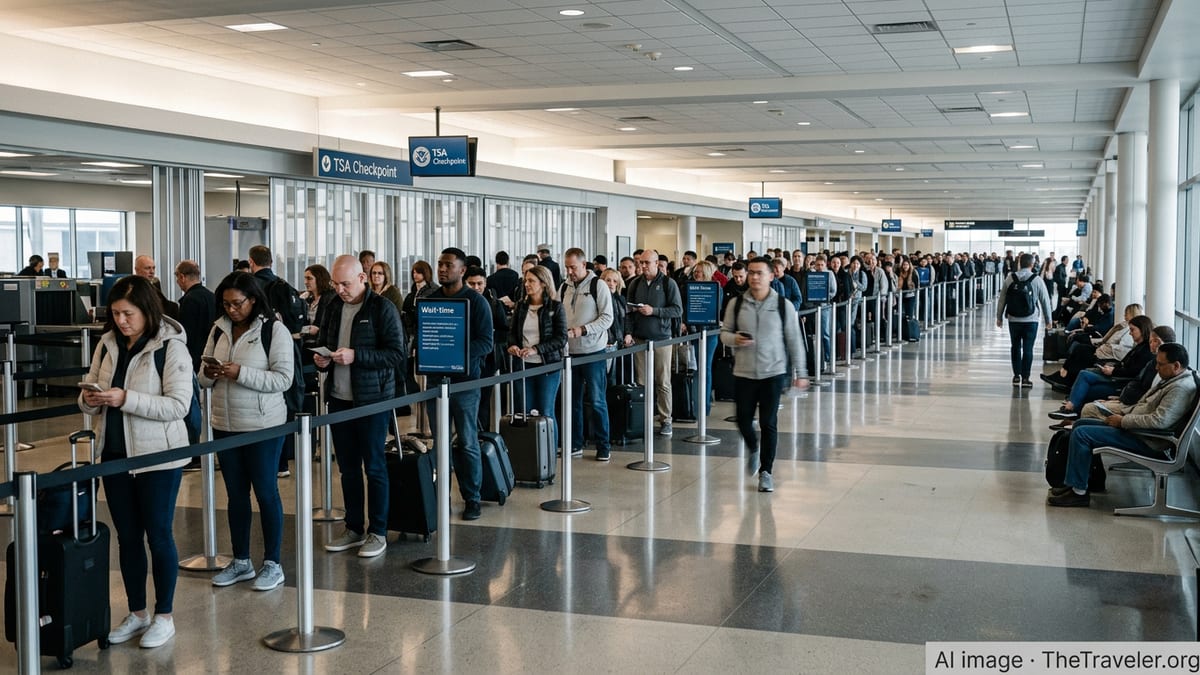
According to published coverage, passengers at Gatwick described early morning scenes of lines snaking through the terminal as staff struggled to process peak holiday traffic. Some families reported arriving several hours before departure only to find overflow queues, with social media posts showing crowds backed up toward check in areas.
The airport’s leadership acknowledged that the disruption fell short of expectations and expressed regret for the experience faced by thousands of travellers. Public statements emphasised that a rapid increase in passenger volumes this summer had exposed gaps in resourcing at security checkpoints, prompting what the airport described as emergency measures to stabilise operations.
The apology comes amid renewed scrutiny of how Europe’s major hubs are managing the twin pressures of rising demand and tighter border controls. Gatwick’s difficulties have become a high profile example of what can go wrong when staffing, infrastructure and scheduling fail to keep pace with surging traffic.
Security staffing and new checks blamed for bottlenecks
Publicly available information indicates that security screening has been at the centre of recent problems, with insufficient staff numbers and more intensive checks combining to slow passenger flows. Travel industry analysts note that hubs across Europe are grappling with similar pressures as new entry exit systems and biometric procedures are introduced for non European Union visitors.
At Gatwick, reports suggest that an unexpectedly sharp rebound in leisure travel, particularly early morning departures to Mediterranean destinations, exposed vulnerabilities in the airport’s rostering and training plans. While recruitment campaigns have boosted headcount since the pandemic, it can take months for newly hired officers to complete background checks and on the job training before they are cleared to operate screening lanes independently.
Operational summaries cited by British media describe temporary lane closures and inconsistent opening hours at some checkpoints during the June and early July rush, exacerbating congestion even as more passengers were urged to arrive earlier. Aviation consultants warn that this dynamic can create a feedback loop in which large numbers of early arriving passengers flood terminals long before departure banks, overwhelming space and staff.
In addition, airlines have been packing schedules tightly to maximise the short summer season, leaving little slack when queues spill over their planned windows for check in and boarding. Once security lines exceed 45 to 60 minutes, even small delays can cascade into missed flights and knock on disruption throughout the day.
Capacity limits, cancellations and a promise of ‘business as usual’
In response to the crisis, Gatwick introduced temporary capacity limits on daily passenger numbers in an effort to smooth peaks and relieve pressure on security and baggage systems. Published reports indicate that those limits were applied through much of July and into August, leading airlines to consolidate frequencies, retime departures or cap ticket sales on certain routes.
As additional security staff came on stream and new rosters were introduced, the airport signalled that it would not need to extend those restrictions beyond late summer. The chief executive highlighted what he described as decisive early action to protect the core holiday period, arguing that a controlled reduction in throughput was preferable to repeated last minute cancellations once passengers had already reached the terminal.
However, some travellers were caught out when services were withdrawn or retimed close to departure. Coverage of the disruption describes cases in which low cost carriers operating from Gatwick cut flights with limited notice, leaving passengers scrambling for alternatives on already busy days. Consumer advocates have warned that such episodes can undermine public confidence in official reassurances that operations are back to normal.
For many travellers, the most frustrating aspect of the situation has been the perceived mismatch between optimistic messaging from the airport and the reality on the ground when queues suddenly surged again. Industry observers say this illustrates the difficulty of balancing public communication with the unpredictability of daily operations in an overstretched system.
Passenger frustration highlights broader strain on European hubs
The turmoil at Gatwick is part of a wider pattern of strain across European airports this summer as security and border systems are reconfigured. In Greece, for example, the head of a major airport operator recently called for an overhaul of the European Union’s new entry exit regime after long waits left passengers queuing in outdoor areas during peak heat.
Travellers using mid sized regional airports from Croatia to the Nordic countries have also reported long waits at security and passport control, with flight delays and missed connections when morning peaks collide with limited staffing. In several cases, local media have carried images of passengers sitting on floors in crowded departure halls as queues snaked through constrained terminal spaces.
Aviation planners point out that many airports entered the busy season still rebuilding teams after pandemic era job cuts and retirements. At the same time, airline schedules have returned close to or above 2019 levels on some routes, compressing more passengers through terminals that have seen only modest physical expansion. This combination has made security checkpoints and border control desks a critical pinch point.
Specialist research into queue management has highlighted how even modest forecasting errors can lead to severe congestion when there is little spare capacity in terminal design. Analysts say the Gatwick episode will likely be studied across the industry as a case of how quickly local staffing issues and new regulatory requirements can spill over into network wide disruption.
What travellers can expect for the rest of the summer
Looking ahead to the remainder of the peak season, Gatwick’s management has insisted in public statements that security performance is improving and that the worst of the disruption is over. The airport points to reduced average queue times and a more stable daily schedule, supported by recently hired officers and refined passenger flow plans.
Independent aviation commentators are cautiously optimistic but warn that risks remain, particularly on key crossover weekends when school holidays overlap across major source markets. Any sudden spike in staff absence, technical failure or severe weather could again push security lanes and gate areas beyond designed limits, they say.
Travel experts advise passengers heading through Gatwick and other busy European hubs to allow extra time for check in and security, while also preparing for the possibility of schedule changes close to departure. Flexible ticket options, travel insurance that clearly covers delays and cancellations, and careful planning of tight connections can help reduce stress if lines grow longer than expected.
For now, the apology from Gatwick’s airport boss marks an attempt to draw a line under one of the summer’s most visible choke points. Whether the measures introduced in recent weeks are enough to restore confidence will become clear as millions more travellers pass through the airport in the weeks ahead.