


More news on this day
Ryanair is warning passengers to expect significant delays at 15 major European airports this summer, highlighting bottlenecks at passport control and security linked to the European Union’s new Entry/Exit System and seasonal traffic peaks.
Get the latest news straight to your inbox!
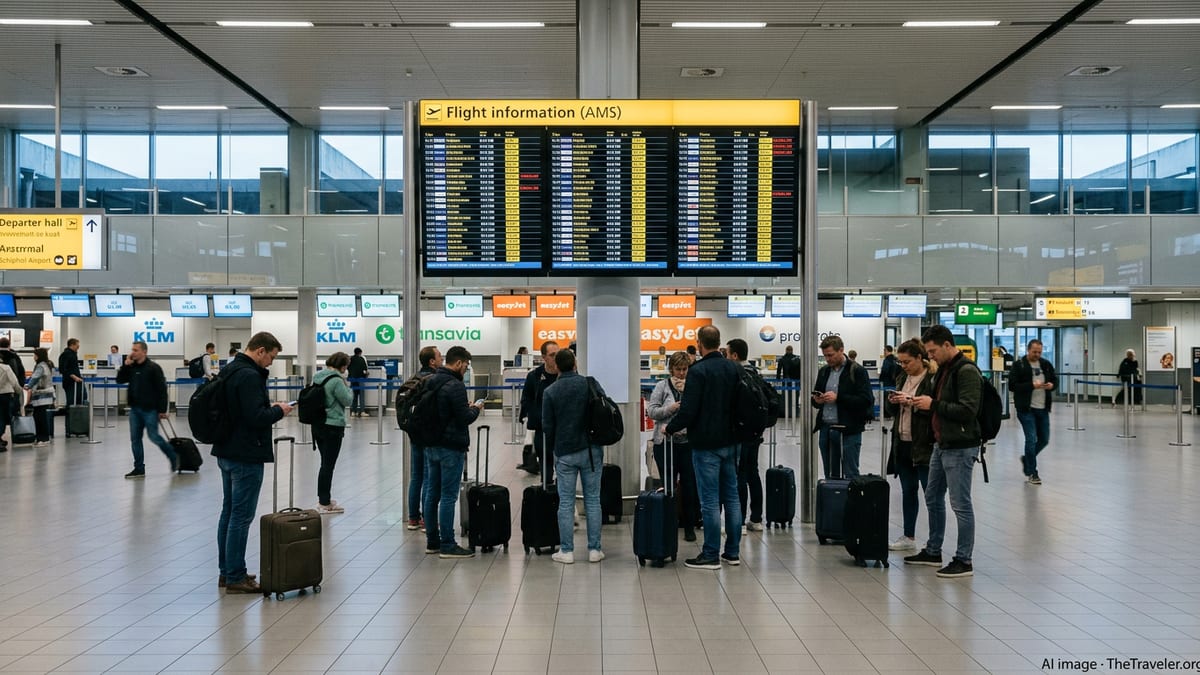
Fifteen airports highlighted as delay hotspots
According to recent coverage of Ryanair’s travel advisories, the airline has identified 15 European airports where passengers are most likely to encounter long queues and potential delays. The list focuses on airports handling large volumes of UK and non Schengen passengers, where new biometric border checks are being introduced alongside the usual peak season crowds.
Reports indicate that these hotspots include some of the continent’s busiest hubs in Spain, Italy, Portugal, France and Greece, as well as major holiday gateways around the Mediterranean. The common factor is high leisure traffic combined with constrained terminal space and limited border control staffing, which has created pressure points at certain times of day.
Ryanair’s warnings are framed as practical advice rather than a schedule change, with flights continuing to operate but passengers urged to adjust their own timings. Publicly available information shows that crowding is especially acute during morning departure waves and weekend changeover days, when tour operations and low cost carriers converge.
The airline’s message is that while flight departure boards may show services running broadly to plan, the real risk for travelers lies in the time it now takes to reach the gate, especially where new automated checks and additional document scans are being rolled out.
EU Entry/Exit System drives longer passport queues
The latest alerts come against the backdrop of the European Union’s new Entry/Exit System, which is being phased in at external Schengen borders. Under the scheme, non EU travelers are required to have fingerprints and facial images captured on first entry, a process that has added extra minutes to each passport check at busy desks and e gates.
Media coverage across Europe has documented trial phases during which arriving and departing passengers faced queues that stretched through terminal corridors, particularly at major hubs with high numbers of UK and long haul visitors. In some cases, airports have warned of potential waiting times of two to three hours during peak holiday weekends when the new procedures coincide with normal summer traffic.
Ryanair has been one of the most vocal carriers on the issue, with recent statements urging European governments to extend temporary flexibilities in how the system is applied during the school holiday period. Travel industry analysis notes that while the technology is intended to streamline border checks over the long term, teething problems and staffing constraints have created short term friction at several of the 15 airports on the airline’s warning list.
For passengers, the practical effect is that the traditional rule of arriving two hours before short haul departures may no longer be sufficient at some locations, particularly when crossing into or out of the Schengen zone and when travelling with checked baggage.
Summer peak intensifies pressure on major hubs
The timing of Ryanair’s advisory reflects concern that the busiest weeks of the summer holiday season will intensify existing bottlenecks. Aviation data from European air traffic management agencies already points to 2024 and 2025 as years of elevated delay levels, driven by strong post pandemic demand, staffing shortages in air traffic control and periodic strike action in several countries.
While much of that disruption happens in the skies, airport processes on the ground are now increasingly seen as an equal source of delay. Reports from recent school holiday getaways describe queues forming well before dawn at some of the flagged airports, with security and border control areas operating at or beyond design capacity for extended periods.
Industry observers note that low cost carriers such as Ryanair operate tight turnaround schedules, with aircraft often flying multiple sectors per day. When passengers are held up in airport queues and arrive late at the gate, airlines face a dilemma between delaying departures to accommodate them or pushing back on time to protect later flights. This dynamic can leave travelers feeling that airports and airlines are blaming each other for missed departures.
At the 15 airports singled out in Ryanair’s warning, this interaction between constrained airport infrastructure and dense flight programs has drawn particular scrutiny from consumer groups and travel agents, who report a growing volume of complaints related to missed flights despite passengers arriving what they believed was early enough.
What Ryanair recommends to its passengers
Based on the latest public guidance, Ryanair is urging customers travelling through the identified airports to build in extra time at every stage of their journey. The airline’s travel updates advise arriving at the terminal earlier than usual, allowing for longer than expected waits at check in, bag drop, security and passport control before boarding even begins.
Passengers are also being encouraged to check airport specific advice before travel, as many hubs have published their own recommendations on optimal arrival times and the use of fast track or dedicated family lanes where available. Travel specialists suggest that travelers with tight connections or fixed onward plans, such as cruises or rail departures, should be particularly cautious about cutting it fine.
Ryanair’s customer facing material further highlights the importance of completing online check in, ensuring travel documents are in order and monitoring flight status on official channels. These measures do not eliminate the risk of queues, but can remove some avoidable delays at desks and self service kiosks.
Where possible, experienced travelers recommend travelling with carry on luggage only at the most congested airports, reducing the need to queue twice and making it easier to move quickly between landside and airside areas if unexpected bottlenecks develop on the day of travel.
How travelers can navigate a challenging summer
Travel industry commentators describe Ryanair’s warning as part of a broader pattern in which airlines, airports and tourism bodies are attempting to reset passenger expectations for the peak season. Rather than promising a seamless return to pre pandemic norms, many are emphasizing shared responsibility, with travelers advised to plan more conservatively and to build in buffer time.
Consumer advocates point out that, despite the warnings, millions of journeys will still run smoothly, and that high profile examples of queues or missed flights tend to skew perceptions. However, they agree that the combination of new border systems, staffing pressures and record traffic levels makes it prudent to err on the side of caution at the 15 airports highlighted by Ryanair.
For those yet to travel, practical steps include opting for earlier flights in the day, avoiding the busiest weekend departure windows where possible and keeping travel insurance details close at hand. Families with young children or older travelers who may find long queues particularly stressful are being advised to discuss assistance options with airports before departure.
As the summer progresses, further adjustments to procedures at the affected airports are likely, with some hubs already reallocating staff, opening additional lanes at peak times or fine tuning how the Entry/Exit System is deployed. For now, Ryanair’s message to travelers using these 15 European gateways is simple: arrive early, expect queues and allow more time than you think you need.