


More news on this day
Ryanair is alerting customers to potential disruption at seven busy European airports this summer, warning that a mix of new border procedures, staffing pressures and air traffic control constraints could mean longer queues and flight delays for millions of holidaymakers.
Get the latest news straight to your inbox!
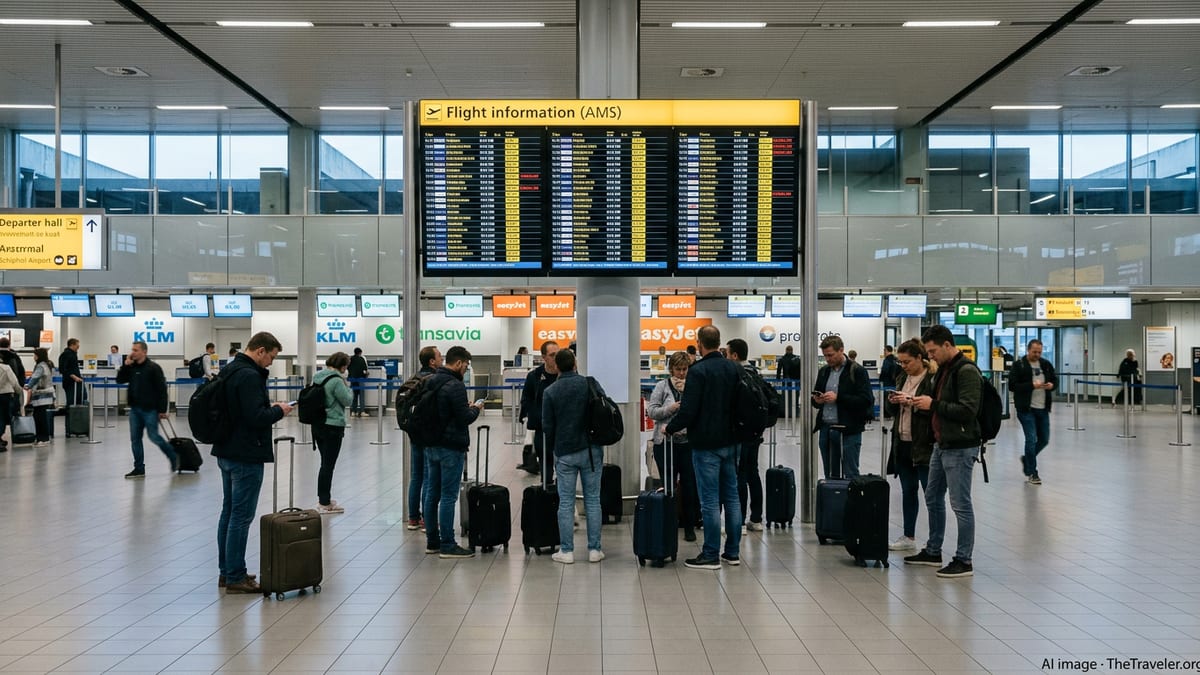
Focus on border checks as new EU system beds in
Ryanair has highlighted that pressure on passport control is likely to be one of the biggest pain points for travellers in summer 2026, particularly at large leisure gateways where queues are already lengthy at peak times. Publicly available information shows that the European Union’s new Entry/Exit System, which registers non-EU visitors at automated kiosks, is being phased in at external Schengen borders from April, adding new steps to the arrival and departure process.
According to published coverage, the airline has warned customers that the transition to the new system is not running smoothly at some Spanish airports, after reports of hour-long lines over the May bank holiday period. Airports serving coastal and island destinations popular with Ryanair passengers, such as Málaga, Palma de Mallorca and Alicante, have been singled out by travel industry reports as particularly vulnerable to congestion when flights from the United Kingdom and Ireland arrive in waves.
Travel analysis indicates that the airline’s internal communications to customers frame this as a practical “border control” warning rather than a safety concern, urging passengers to arrive earlier than usual and to expect additional checks at automated gates and manual booths. Industry observers note that the risk is not limited to Spain; any external Schengen airport with limited staffing or kiosk capacity could see knock-on delays as the new technology is embedded.
Consumer groups advise that travellers should factor in more time both on arrival and departure at these airports, allowing for queues at border control before reaching baggage reclaim or departure gates. This is seen as especially important for those with tight connections or separate onward tickets.
Seven airports under particular scrutiny
While Ryanair has not published an exhaustive public list, travel industry coverage and schedule data point to seven high-traffic airports where the airline expects the greatest summer strain: Málaga, Palma de Mallorca, Alicante, Barcelona El Prat, Madrid Barajas, Lisbon and Ponta Delgada in the Azores. These hubs combine strong summer leisure demand with either ongoing disputes over airport charges, infrastructure constraints or complex border-control setups.
Recent reports from Spain and Portugal describe how rising passenger numbers, coupled with the roll-out of the Entry/Exit System and existing staffing gaps, have already produced longer queues at passport control and security in test periods. At Ponta Delgada, in particular, Ryanair has publicly clashed with the airport operator over fees, warning that it may cut routes if costs are not reduced, a move that travel analysts say would concentrate more traffic on remaining flights and limit rebooking options in the event of disruption.
Major hubs such as Barcelona and Madrid, meanwhile, face a different kind of challenge. They are large, multi-terminal airports where security and passport queues can build quickly at peak times, even before new systems are added. Aviation data shows that Ryanair has expanded or maintained substantial summer schedules at these airports, meaning that any bottleneck at a single checkpoint can rapidly affect thousands of passengers.
For passengers, the practical impact is that these seven airports are viewed within the industry as the most likely flashpoints for congestion affecting Ryanair flights this summer, especially on weekend mornings and evenings when departure banks are densest.
Air traffic control and staffing issues add to pressure
Beyond airport-specific constraints, Ryanair has repeatedly raised concerns about wider European air traffic control capacity and its impact on punctuality. Travel reporting this year notes that the airline’s leadership continues to warn that structural shortages of controllers, particularly in France and the United Kingdom, can trigger cascading delays across the continent when systems fail or industrial action occurs.
Past summers have already illustrated how localized air traffic control outages or strikes can ripple through Ryanair’s point-to-point network, causing late arrivals that then delay multiple subsequent flights operating out of the same aircraft. Industry briefings suggest that this pattern is likely to recur in 2026, especially on busy days when schedules are tightly packed and recovery time is limited.
Staffing levels on the ground also remain a concern at several of the airports highlighted in Ryanair’s warning. Reports from passenger groups and local media describe occasional shortages in security staff and handling agents, which can lead to temporary closure of screening lanes or slower boarding and baggage loading. When combined with stricter border checks, these factors can significantly extend the time needed to move passengers from check-in to the aircraft door.
Aviation analysts emphasise that these operational issues are not unique to Ryanair, but the airline’s high aircraft utilisation and concentration at certain airports make it particularly sensitive to bottlenecks, increasing the likelihood that passengers will encounter delays if conditions deteriorate.
Route cuts and capacity shifts shape summer choices
At the same time as issuing operational warnings, Ryanair has been reshaping its summer network in response to rising airport charges and taxes. Publicly available corporate statements show that the airline has cut capacity at some airports, including parts of its Riga and German schedules, while boosting growth at lower-cost bases and secondary airports across Europe.
In Spain and Portugal, published coverage indicates that Ryanair has criticised proposed increases in airport fees and has threatened to pull back services on routes it deems unviable. The situation at Ponta Delgada, where the airline has warned of potential route withdrawals over cost disputes, is one example that has drawn attention from local tourism stakeholders worried about reduced connectivity.
For travellers, these adjustments mean that some familiar Ryanair routes into the seven highlighted airports have been reduced or reshuffled, while others to nearby alternatives have been increased. Travel experts say that passengers should double-check their flight details in the weeks before departure, as timetable tweaks and aircraft swaps can occur at short notice during the peak season.
Network changes also affect resilience. Where Ryanair has trimmed frequencies to certain busy airports, there may be fewer later flights available to accommodate disrupted passengers, raising the stakes for those relying on a single daily service to reach holiday destinations.
What passengers can do to minimise disruption
Consumer travel guidance suggests that passengers flying with Ryanair to or from the seven named airports this summer should treat the airline’s warning as a prompt to adjust their plans rather than as a reason to cancel trips. Industry commentators consistently recommend arriving earlier than usual, particularly for morning departures when security and border queues are longest.
Passengers are being urged by travel advisers to complete as many formalities as possible before reaching the airport, including online check-in and document verification where available. Bringing printed or downloaded boarding passes, ensuring passport validity well beyond the trip dates and checking any visa or entry requirements in advance can help avoid last-minute complications at the gate.
Analysts also note that travellers may wish to avoid very tight self-connected itineraries through the affected airports, especially when combining separate tickets or airlines. Allowing generous connection times and considering earlier flights in the day can create a buffer if delays build up. For those heading to popular beach destinations, alternative nearby airports served by Ryanair or other carriers may offer more reliable routing options if schedules change.
While the airline’s summer warning underscores the strain on Europe’s busiest tourist gateways, aviation experts stress that most flights are still expected to operate broadly as planned. The key message, they say, is that passengers who allow extra time and stay informed about evolving airport conditions will be better placed to navigate any queues or schedule changes that do occur.